
Why Elon Musk on SNL Still Matters in 2026
When a famous tech leader like Elon Musk appears on a big TV show, it’s never just for fun. His appearance on Saturday Night Live, or "elon musk snl," was a huge moment that still has ripples today in 2026. These high-profile media appearances can really change how people think and talk about new technology, its good parts, and its risks.

It’s actually pretty amazing how much one TV show can influence the world of technology. Such moments go beyond just entertainment. They deeply affect how news is reported and understood. For example, knowing how to spot reliable information is key when so many big stories come out, especially in a fast-moving world How to Verify News Credibility in 2026: A Data-Driven Guide. This kind of media attention helps shape what people believe about new inventions and what they expect from future tech.
We’re going to explore how Elon Musk’s moments on SNL have made a lasting impact. We will look at how they change the way media talks about technology, what customers decide to buy, and even how important policy debates start. These events also guide what decisions product teams make. Big companies, including those that get their updates from "ibm news," pay close attention. Such public showcases can help a "technology strategy board" think about new plans and affect the overall "tech force" pushing innovation forward.
Staying on top of all the fast changes in tech, especially with AI, can feel like a lot. If you want clear, daily updates that make sense of it all, consider this: The AI Newsletter Worth Reading. It gives you deep insights beyond just headlines. You might also be interested in learning more about Elon Musk AI 2026 to understand how his different ventures connect.
A Brief History: Elon Musk’s Most Notable SNL Moments and Media Fallout
Elon Musk’s appearances on Saturday Night Live (SNL) are big events that grab headlines and stir up lots of talk. His hosting gig in 2021, for instance, became one of the most talked-about "elon musk snl" moments. Before he even stepped onto the stage, there was already a huge buzz, and after the show, the media was full of stories.
During his SNL episode, Musk tried his hand at comedy, often making fun of himself and his image as a tech titan. He joked about his social media habits and even revealed he has Asperger’s syndrome. This show wasn’t just about laughs; it also sparked many discussions. Some people loved his unconventional humor, seeing it as a peek behind the curtain of a powerful figure. Others found it cringeworthy or felt it brought unwanted attention to the show.
What’s really interesting is how these appearances work to "set the agenda" for what people think about.
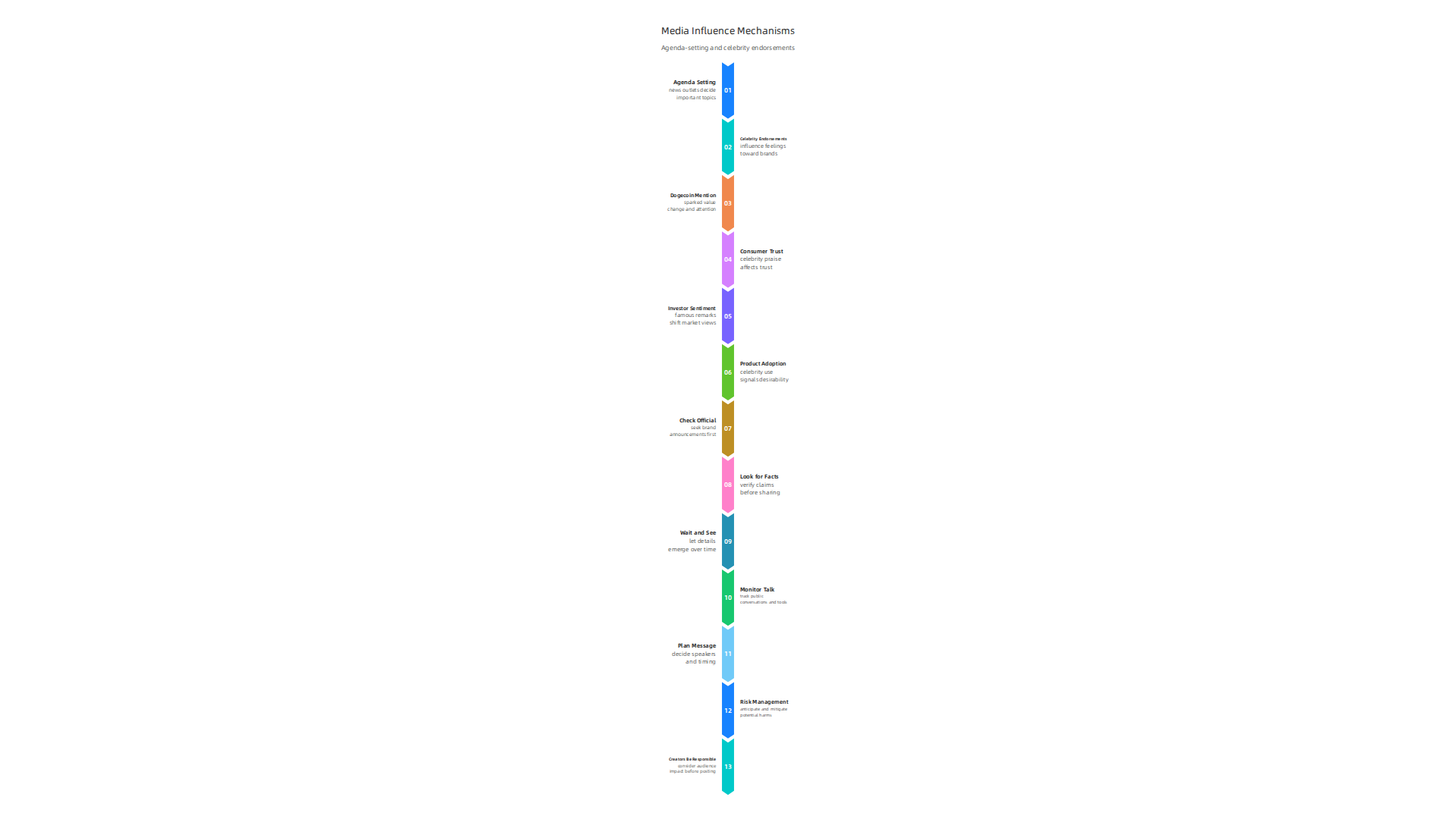
Media scholars call this "agenda-setting," where news outlets decide what topics are important just by talking about them a lot Agenda Setting and Journalism. When a celebrity like Elon Musk is on SNL, he gets to share his views and highlight things he cares about, whether directly or indirectly.
One clear theme in his SNL performance was the mention of his companies and projects. While not direct ads, these mentions often act like celebrity endorsements, which can really affect how people feel about a brand or product The Marketing Psychology Behind Celebrity Endorsements. For example, he talked about Dogecoin, a type of cryptocurrency. This caused a big stir and even led to its value changing a lot right after the show. This shows how quickly public opinion can shift and how much power one person’s words can have.
The reactions from the media and social platforms were immediate and diverse. Traditional news outlets gave mixed reviews, while social media was a whirlwind of opinions, memes, and arguments. These moments highlight how public figures can influence not just what we talk about, but also what we think about a certain topic or company. They also show how big a "tech force" someone like Musk can be, steering conversations that even a "technology strategy board" at a company like IBM might watch closely. Understanding the bigger picture of his global influence gives even more context to these moments, showing how broad his impact truly is, connecting to things like his impact on global tech and AI strategy. You can learn more about how his background influences his ventures in How Elon Musk citizenship influences global tech and AI strategy.
How Celebrity Media Moments Shape Tech Narratives (and Why That Matters)
When someone famous like Elon Musk makes headlines, especially during an event like his time on "elon musk snl," it does more than just entertain us. These big media moments actually help shape how we think about technology and the companies behind it. This happens in a few key ways: through agenda-setting, framing, and amplification by people with a lot of followers.
We already talked about agenda-setting, which is when news sources make certain topics seem important by talking about them a lot. For example, when celebrities speak about specific issues or products, they can greatly influence what the public considers important Celebrity Agenda-Setting: A Preliminary Proposal. But there’s also something called "framing." Framing is how media tells us how to think about those topics. It means they pick certain parts of a story and highlight them, which guides our opinions. For instance, an "elon musk snl" sketch might frame a tech issue in a funny or even serious way, making viewers see it through that specific lens. Think about it like looking at a picture through a specific window pane; you only see what the window allows. This is how "Agenda‐Setting, Priming, and Framing" work together to influence public thought Agenda‐Setting, Priming, and Framing.
These ideas spread even faster because of influencers and social media. When a well-known person shares their thoughts, millions of people see it right away. This quick spread, called amplification, means that a simple mention can quickly become a global conversation. It’s like dropping a pebble in a pond and watching the ripples reach every edge.
Why does all this matter for the tech world? Well, these media moments have real effects.
- Consumer Trust: If a respected celebrity praises a new gadget, people might trust it more and be more likely to buy it. On the other hand, if a public figure criticizes a company, it can make people doubt that brand.
- Investor Sentiment: What famous people say can also change how investors feel about a company. Positive buzz can make stock prices go up, while negative talk can make them fall. Companies like IBM, for example, have a "technology strategy board" that pays close attention to how public perception is shifting due to major events.
- Product Adoption Signals: When a celebrity uses or talks about a product, it acts as a signal to the general public that this product is cool or worth trying. This can really speed up how quickly people start using new technologies. It shows the incredible power of one person’s voice as a "tech force."
Understanding these ways media influences us helps us see the bigger picture. It shows us that celebrity appearances, even on a comedy show, are much more than just entertainment. They can kick off big changes in how we view and use technology. The world of AI is moving incredibly fast, and staying on top of how these narratives are shaped is key.
If you’re looking for clear, daily updates on the latest in artificial intelligence, you should check out The AI Newsletter Worth Reading. Staying informed about how pioneers like Elon Musk are driving AI is crucial for anyone interested in the future of tech. You can also explore more about how these big names connect in Elon Musk AI 2026.
The SNL Effect on Social Media: Virality, Misinformation, and Conversation Dynamics
When a big moment happens on TV, like an "elon musk snl" appearance, it doesn’t just stay on your screen. It jumps right onto social media, creating a whole new world of chatter.

Social platforms are like giant loudspeakers that take a TV moment and make it much, much louder. They amplify messages, making them spread far and wide very quickly.
Actually, studies show that social media helps people get more involved with TV shows they are watching Social media drives increase in TV programme engagement says study. In 2026, many fans use social media as their main way to engage with shows or topics across different platforms, like streaming, live TV, and social channels 2026 Digital Media Trends. This means a joke or a serious comment from "elon musk snl" can become a trending topic in minutes. It can reach millions of people who might not have even watched the show. This quick spread is called virality.
However, this fast spread also comes with some big risks. When messages go viral on social media, they can change or mutate. What started as a simple comment can become a rumor, and sometimes, it even turns into misinformation. This is false or wrong information shared without meaning to cause harm. For example, if someone mishears a quote from the show and shares it, that mistake can spread like wildfire. Researchers have looked into how viral misinformation spreads, especially online Combining interventions to reduce the spread of viral misinformation.
Misinformation can cause what we call "rumor cascades." This is when many people share wrong information over and over, making it seem true. This can lead to big changes in how people feel about a company or a new technology, sometimes in a very bad way. If enough negative or false information spreads, it can shake people’s trust. This also makes the mood around a topic shift very quickly, leading to something called sentiment volatility.
Social media platforms themselves face a big challenge trying to stop this. They have to figure out how to let people talk freely while also limiting the spread of harmful misinformation. It’s a tough balancing act, and many governments and organizations are looking at ways to deal with false content online Policy responses to false and misleading digital content (EN). Staying informed about how these things play out helps us understand the true impact of technology on our lives. For more on the bigger picture of how tech shapes our daily world, you might want to read about how to Unlock the smart future: how technology transforms life and stays secure. It helps to separate the important innovations from just the noise or even the lies.
Policy and Regulation: Do Media Moments Drive Scrutiny or Delay Oversight?
When a big name like "elon musk snl" appears on TV and then sparks a lot of talk online, it’s not just entertainment. It can also get the attention of people who make rules and laws.

These big media moments can sometimes push governments to look closer at how social media works and if new rules are needed.
It’s a tricky balance. On one hand, a major event, like comments made by Elon Musk, can shine a bright light on issues like misinformation or how much power big tech companies have. This can make lawmakers ask questions faster and maybe even start new projects, like creating a special "tech force" to study online issues or a "technology strategy board" to guide future rules. This means public pressure from these moments might speed up how quickly new policies are thought about or put into place.
However, sometimes all the noise and excitement around an "elon musk snl" event can also make it harder for serious policy work to happen. There’s so much chatter that it might distract from the real, slower work of making good laws. It’s like having too many voices at once. Governments are constantly trying to figure out how to respond to the fast-changing world of technology, from new AI tools to how companies like IBM news handle their data. Studies show that governments all over the world are trying to find the best ways to deal with false information online Government responses to online disinformation unpacked.
Different parts of the world handle this in their own ways. For example, in the United States, rule-making often takes a bit longer, and there’s a lot of debate before new laws come out. But in places like the European Union, they often move more quickly to put digital rules in place, especially when it comes to things like protecting people’s privacy or controlling big tech companies. They might have a more direct approach to tackling things like disinformation and trying to make sure information online is trustworthy Facts not Fakes: Tackling Disinformation, Strengthening Information Integrity.
So, while famous media moments can highlight important issues and sometimes kick-start policy discussions, they can also create a lot of distraction. It’s an ongoing challenge to make sure that important talks about how technology affects us don’t get lost in the daily headlines. Staying informed about how global figures influence these decisions is key. You can learn more about how a figure like Elon Musk shapes global tech and AI plans by reading about how Elon Musk citizenship influences global tech and AI strategy.
To keep up with the latest in technology and how it’s shaping our world, especially when it comes to AI, there’s a great way to get clear daily updates.
Get clear daily AI updates from The AI Newsletter Worth Reading.
Practical Impacts for Consumers: What to Watch After a High-Profile Tech Moment
Big media moments involving tech leaders don’t just affect how rules are made. They also change things for you, the consumer. When a well-known person, like Elon Musk after an "elon musk snl" appearance, gets a lot of talk, it can shift how people see products, how much they cost, and even what’s available to buy. It’s important to know how to look past the hype and see what really matters.
Think about it this way: when a celebrity or a famous tech person talks about a product, it can make more people want it. Studies show that when famous people back a product, it often makes consumers more likely to choose that product and sometimes even faster The Marketing Psychology Behind Celebrity Endorsements. This kind of public attention can directly affect how you shop for new tech.
Here are some things to watch for after a big tech moment:
- Product Updates and Changes: Sometimes, a buzz-worthy event can lead to faster product updates or even new features being talked about. Companies might speed up their plans to match public interest. For example, if there’s a lot of talk about a new idea, a company might announce changes to a smart device or a new AI application.
- Pricing Shifts: If everyone suddenly wants a certain tech item because a famous person mentioned it, the price might go up due to higher demand. On the other hand, if there’s negative attention, a company might lower prices or offer deals to keep people buying.
- Availability: High demand can mean products sell out faster or become harder to find. This happened with some popular gadgets in 2026 when influencers gave them a lot of attention.
- Brand Trust: How a tech leader acts or speaks in public can change how much you trust their brand. If they seem honest and forward-thinking, it can build trust. If they seem careless, it might make you think twice about buying their products. This trust can heavily influence your buying decisions The Influence of Celebrity Endorsements on Consumer Behavior in….
How to Tell What’s Important
With so much happening in the news, it can be hard to know what’s real and what’s just noise. Here’s a simple checklist to help you stay smart after a high-profile tech moment:
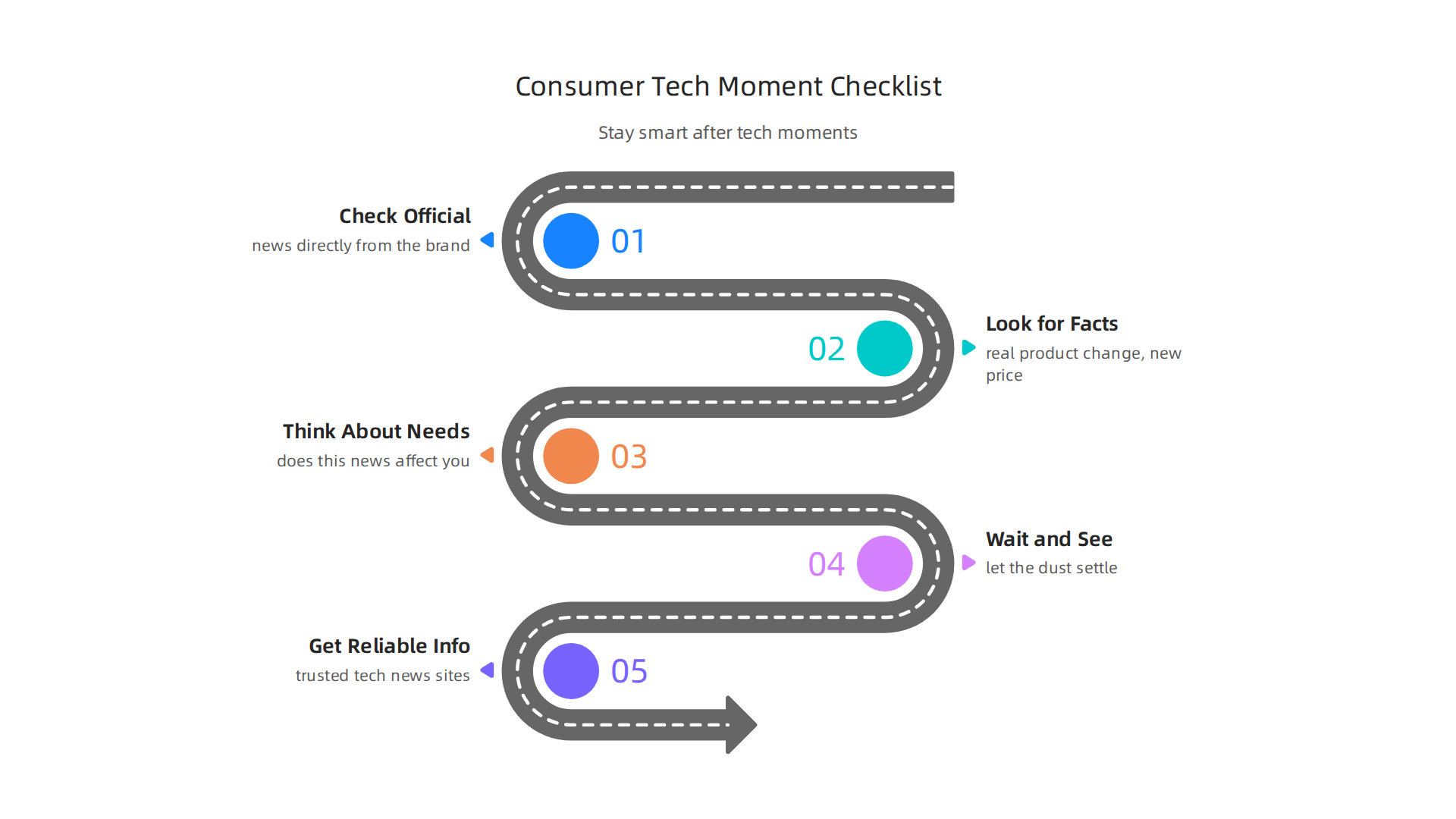
- Check Official Announcements: Does the company itself say anything? Look for news directly from the brand, not just rumors or social media chatter.
- Look for Facts, Not Just Opinions: Is the news about a real product change, a new price, or actual availability? Or is it just someone’s thoughts or feelings about the event?
- Think About Your Needs: Does this news actually affect you and what you want from your technology? A big announcement about a new feature might not matter if it’s not something you use. To really understand what technology means for you, you can always learn to define technology in broader terms.
- Wait and See: Sometimes it’s best to let the dust settle. Major announcements can take time to become real products or clear market changes. Don’t jump to conclusions too fast.
- Get Reliable Info: Follow trusted tech news sites for balanced reports, not just sensational headlines. Learning how to master QVC website gadget shopping can also help you compare deals.
Staying informed means looking beyond the headlines and understanding how public events shape the tech world you interact with every day. For those who want even deeper insights into these shifts, especially in the fast-moving field of AI.
Get clear daily AI updates from The AI Newsletter Worth Reading.
Staying informed helps consumers, but it’s even more important for businesses.
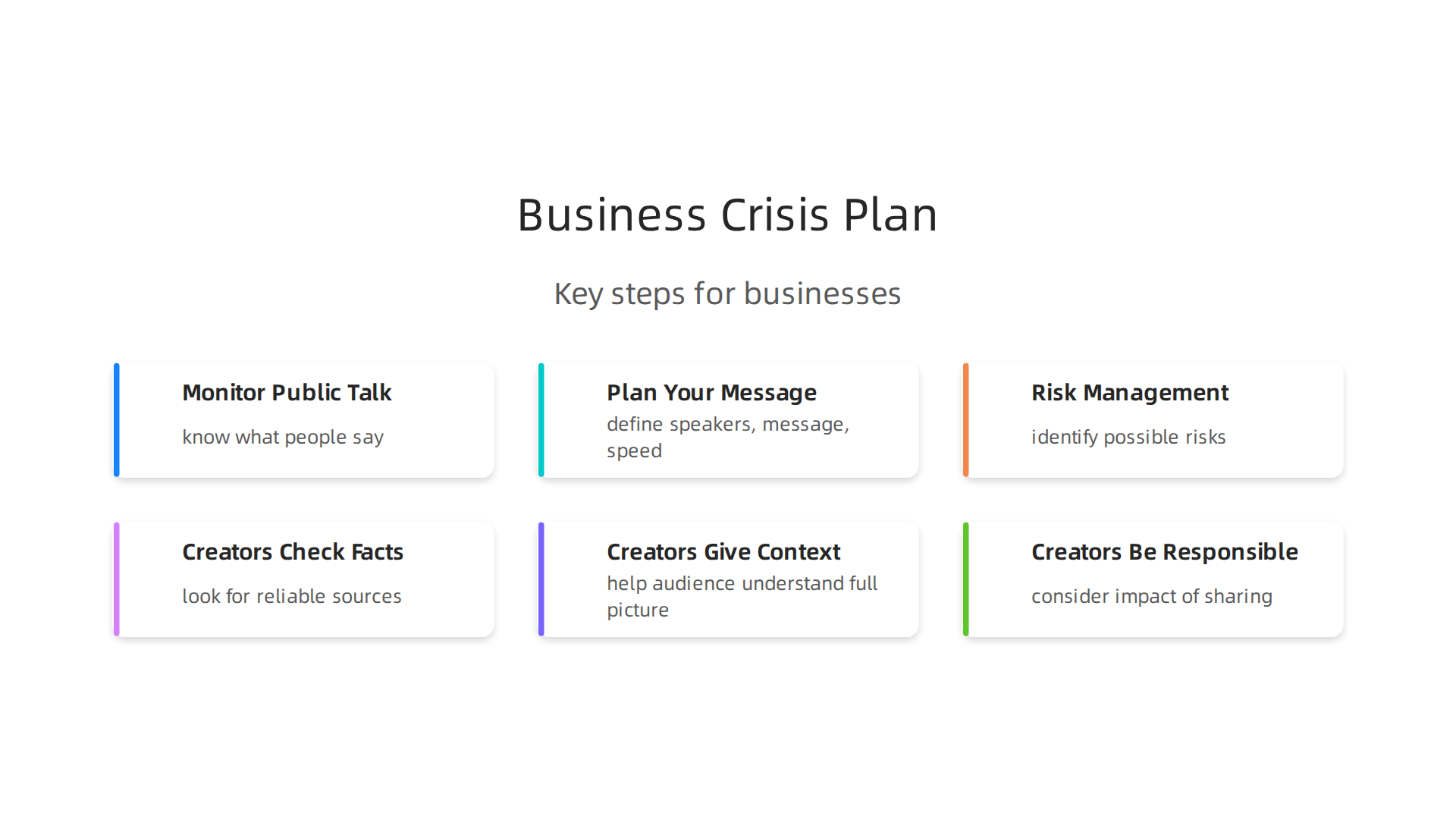
For marketers, product managers, and content creators, big public events are not just news stories. They are moments that can change how people see a brand or product. Think about a high-profile event, like an "elon musk snl" appearance. Such moments can shift public talk very quickly. Knowing how to react to these changes is key for anyone working in tech.
Watching the Story Unfold: Monitoring Public Talk
The first step for any team is to know what people are saying. In 2026, social media and news move fast. Companies need to use special tools to keep an eye on online conversations. This helps them understand if a public moment is good or bad for their brand. If a tech leader says something new or controversial, the public reaction can show up instantly. For example, if there’s a big announcement about AI, you’d want to know what users and other companies are saying right away. This is part of how a strong "tech force" gathers information.
Planning Your Message: What to Say and When
When a major tech story breaks, companies must be ready to speak up. Having a plan is very important. This plan should explain who talks to the public, what to say, and how quickly to say it. Experts suggest that fast, honest, and caring messages work best during tough times Crisis Management 2026: Guide for Dubai & GCC Companies. A good "crisis communications playbook" can help a company respond quickly, maybe even within 30 minutes, to stop rumors from growing Crisis Comms 2026: 30-Min Rapid Response Plan. This often involves having pre-written statements ready for different situations.
Getting Ready for Trouble: Risk Management
No company wants bad news, but it’s smart to be prepared. Product managers and marketers should think about all the things that could go wrong. What if a product has a problem? What if a company leader says something that causes a stir? Having a clear "technology strategy board" can help guide these decisions. It’s about thinking ahead and having steps to take for different kinds of problems. This way, if a situation like a leader’s surprising comments or an issue like an "ibm news" scandal comes up, the company isn’t caught off guard. Creating a strong crisis plan means you’ve already thought about how to protect your brand’s good name DTC Brand Crisis Communication Playbook: Protecting Brand Value ….
Creators and Communicators: Being a Smart Voice
Content creators and other professional communicators also have a big job to do during these times. When something goes viral, it’s easy for wrong information to spread. Creators should:
- Check the facts: Always look for reliable sources before sharing anything new. Is the information from an official company announcement or just a rumor?
- Give context: Help your audience understand the full picture. A quick quote might sound bad, but the whole story could be different.
- Be responsible: Think about how what you share might affect people. Your words have power.
Understanding how tech leaders like Elon Musk affect the market and public conversation, from their spending habits to their AI strategies, is crucial for professionals. For more on this, you can read about Elon Musk’s 2026 Tech Empire Is More Interconnected Than Ever and Elon Musk AI 2026 How XAI Tesla And Neuralink Converge.
By being proactive and thoughtful, marketers, product managers, and creators can turn big tech moments into chances to build trust and show strong leadership, instead of just reacting to the noise.
Summary
Elon Musk’s appearances on Saturday Night Live do more than generate laughs—they reshape tech conversations, investor sentiment, policy attention, and consumer behavior even years later. This article traces how a single high‑profile media moment drives agenda‑setting, framing, and amplification across news and social platforms, and how those dynamics create both opportunity and risk for brands, regulators, and buyers. It explains how virality can speed product adoption or spread misinformation, why policymakers sometimes react quickly (or get distracted), and what practical steps consumers and companies should take afterward. Readers will learn how to separate hype from fact, how to monitor public sentiment, and how to prepare clear, timely communications so a viral moment becomes a strategic advantage rather than a crisis.