

Why reading games matter for learners of all ages
Learning new things can be tough, but what if it could be fun? That’s where playing games comes in.

For a long time, we’ve known that games help people learn better. Think about it: games keep you interested, make you try hard, and help you remember things. This is especially true for reading. Using reading games can really help kids and adults get better at reading, no matter their age.
Studies from 2026 show that games can make a big difference. For example, some programs using engaging game parts helped children improve their basic reading and math skills a lot, even better than usual classroom teaching alone.

This means that gamified learning can boost foundational literacy for many students.
But here’s the thing: with so many options out there, how do you pick the right reading games? Parents, teachers, and even adults trying to learn on their own often feel lost. They wonder:
- Which games are actually good for learning?
- Are these games just for fun, or do they really help with reading?
- How do I know if the game is right for my age or skill level?
It’s easy to get confused by all the choices, from simple playclassic games to new apps using smart technologies.
That’s why this guide is here. We will give you clear, easy-to-understand advice on how to choose and use reading games. We’ll look at what researchers say works best and how good games are designed. Our goal is to help you find truly effective and fun unblocked games that make learning to read an enjoyable adventure for everyone.
Want to keep up with how smart technologies are changing our world every day?
The AI Newsletter Worth Reading
Picking the right reading games for young learners, especially those aged 3 to 8, is super important. These early years are when children build the basic skills they need to become good readers. Luckily, reading games can make learning fun and easy, setting a strong foundation for their future.
How Games Build Early Reading Skills
Reading games help young children in a few main ways:
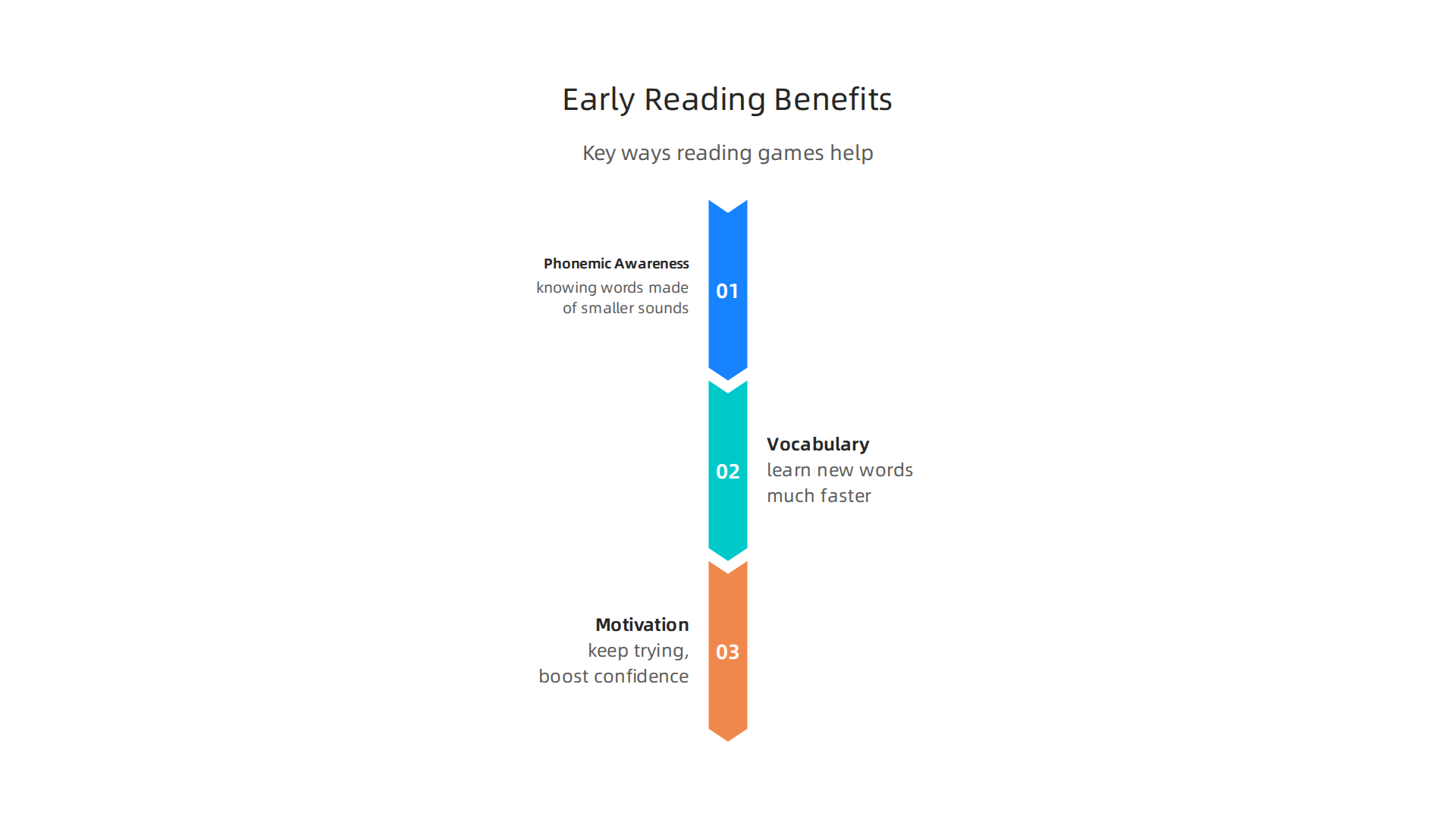
- Understanding Sounds in Words (Phonemic Awareness): This big phrase just means knowing that words are made of smaller sounds. For example, knowing that "cat" has three sounds: /c/, /a/, /t/. Games are great for this because they often have kids match sounds, sing along to songs that break down words, or find rhyming words. Studies show that games can strongly improve a child’s phonemic awareness in early education. Digital games can also help with letter-sound association.
- Learning New Words (Vocabulary): Many reading games put new words into stories or fun tasks. When a child sees a word, hears it said aloud, and then uses it in a game, they learn what it means much faster. This helps build their word bank, which is key for understanding what they read later on.
- Staying Interested and Motivated: Kids love games because they often get rewards like points, stars, or unlock new levels. These "reward loops" make learning feel less like work and more like an adventure. When children feel good about learning, they want to keep trying, even when it’s hard. This boosts their confidence and love for reading. Research confirms that personalized game-based learning apps improve young children’s reading skills in areas like alphabet knowledge and phonics.
Fun Game Types for Young Readers
For children aged 3-8, certain types of reading games work best:
- Matching Games: These might ask kids to match letters to sounds, pictures to words, or uppercase letters to lowercase ones. This simple activity helps children recognize letters and connect them to their sounds.
- Simple Story Games: Games with easy-to-follow stories let kids interact with the plot. They might choose how the story goes, click on words to hear them, or help characters. This helps them understand how stories work and build vocabulary.
- Sing-Along and Talking Games: Songs and games that ask questions or encourage children to speak help them practice pronunciation and listening skills. These can improve initial sound discrimination and word reading through digital play.
Modern reading games often use smart technologies to adapt to each child’s speed, making them feel just right. This custom learning helps kids stay challenged but not frustrated.
Tips for Parents and Teachers
To make the most of reading games:
- Play Together: Don’t just hand over a tablet. Sit with your child, talk about the game, and ask questions.

"What sound does that letter make?" or "What do you think happens next?"
- Balance Screen Time: Reading games are great, but kids also need time for other activities like playing outside, drawing, and reading physical books.
- Choose Wisely: Look for games that are designed for learning, not just entertainment. Check reviews and look for games recommended by teachers or learning experts. A game-based learning app can be effective for preschool children if chosen carefully.
- Connect to Real Life: If a game teaches new words, try to use those words in everyday talks. This helps kids see how reading connects to the world around them.
By using reading games in smart ways, we can help our youngest learners enjoy reading and get a great start on their educational journey. They can boost everything from letter recognition to overall literacy for kindergarten students.
For older kids and teens, from about 9 to 18 years old, reading games need to be a bit different. They already know the basics of reading, so the games must offer deeper challenges and more interesting stories to keep them hooked. The goal shifts from learning letters to improving understanding, speed, and a love for reading bigger, more complex texts.
Why Adaptive Difficulty and Deep Stories Matter
When children get older, they want games that feel right for them. This means the game should get harder as they get better, but not so hard that they give up. This is called "adaptive difficulty." Just like a good coach, a smart reading game knows when to push a player and when to offer a little help. Such carefully planned support, known as scaffolding, is a key part of how educational games can help students learn complex ideas and tasks successfully, as experts explained in a 2026 article on how to use scaffolding in game-based learning.
Older learners also need stories that pull them in. Simple matching games won’t cut it anymore. They want games with interesting characters, choices that matter, and problems to solve. These deeper stories make reading feel like an adventure, not a chore. When games have a good balance of fun and learning, and adapt to the player, they can really boost motivation. This is because effective educational games are designed with features like dynamic learning environments and clear goals, according to research on design principles of serious games.
Modern reading games use smart technologies to do all of this. They track how well a player is doing and change the game on the fly. This way, every player gets a custom learning experience that keeps them challenged and engaged.
How Social Features and School Needs Affect Game Choices
For older kids, playing with friends is a big deal. Reading games that let them connect with others, maybe through team challenges or friendly competitions, can make learning even more fun. Imagine playing a game where you and your friends work together to solve a mystery by reading clues, or compete to see who can read a passage fastest. If you are looking for new ways to play, check out some fun games to play with friends. These social parts encourage kids to keep coming back to the game.
Also, for games to be used in schools, they need to fit with what teachers are already teaching. This is called "curriculum alignment." When a reading game helps students practice skills they need for school, like understanding different types of texts or writing better, teachers are more likely to use it. Many teachers today see the value in this approach. In fact, 60% of teachers say that games are the most effective way to keep students interested in learning, as shown by gamification statistics to guide learning strategy. This also includes games that help students practice reading in different subjects, like science or history.
Tips for Parents and Teachers Choosing Games
If you’re a parent or teacher looking for reading games for older children and teens, here are some helpful ideas:
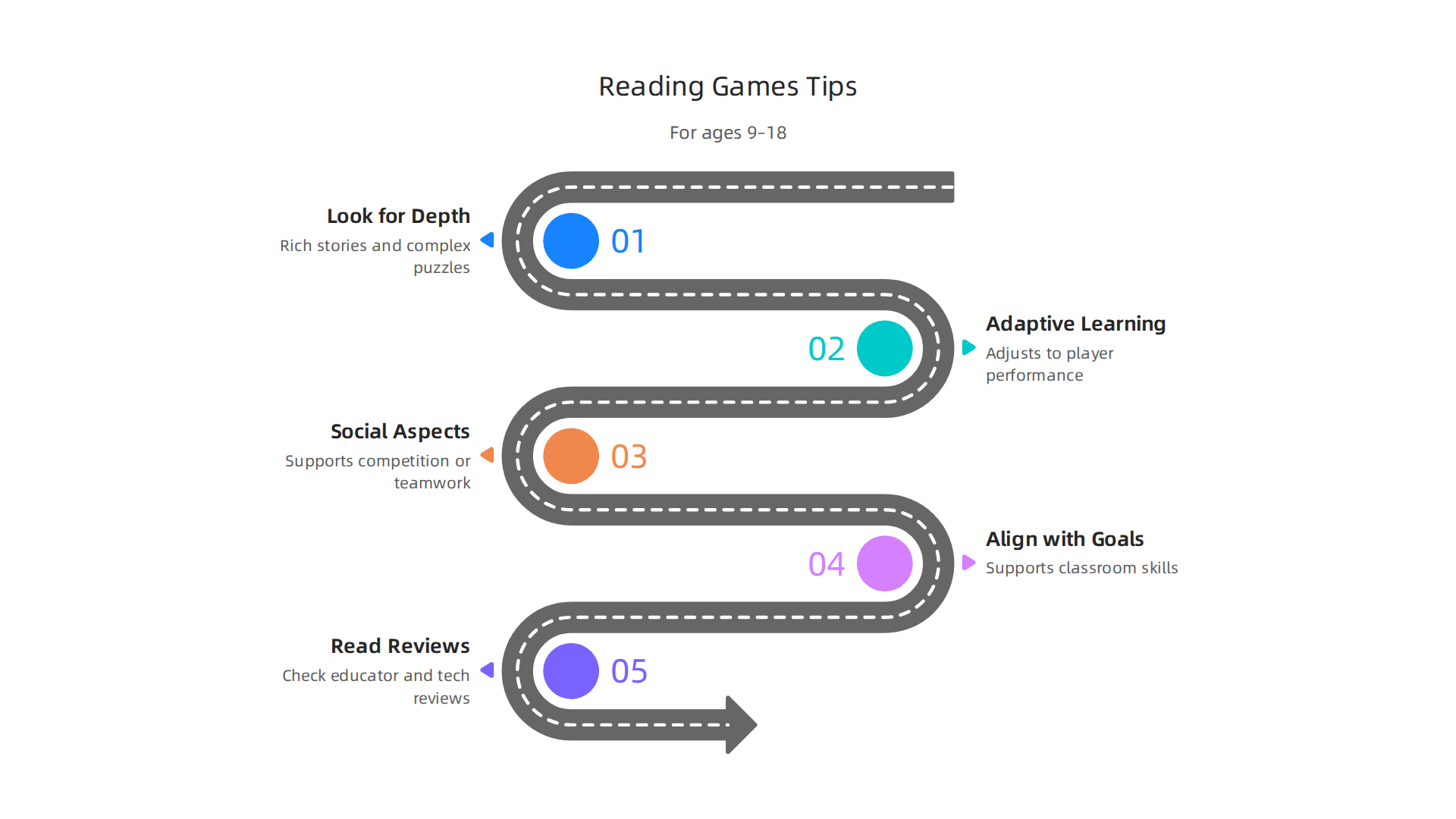
- Look for Depth: Choose games with rich stories, complex puzzles, and challenges that grow with the player.
- Check for Adaptive Learning: Does the game change based on how well the child is doing? This is a sign of a high-quality learning game.
- Consider Social Aspects: Games that allow for healthy competition or teamwork can be highly motivating.
- Align with Learning Goals: For school use, make sure the game supports the reading skills and topics being taught in class.
- Read Reviews: Look for games recommended by other educators or trusted tech review sites.
By picking the right reading games, we can help older students not just improve their reading skills but also find real joy in reading, which is important for lifelong learning.
To stay on top of how technology is changing learning and daily life, including the latest in smart tech and AI applications, consider subscribing to The AI Newsletter Worth Reading. You’ll get clear daily AI updates and in-depth insights into the rapidly evolving tech landscape.
Moving from younger learners, we see that reading games are not just for kids. Actually, they are also a great way for adults to improve their reading skills. This includes adults who want to read better, those learning English as a new language, and anyone who wants to keep their mind sharp.
Ways Games Support Adult Learners
For adults, learning can sometimes feel stressful. Reading games help by creating a safe place to practice. This is called "low-stakes practice." It means you can make mistakes without feeling judged. You can try new words and sentences in a fun, private way. Many of the best learning apps for adults use games to make lessons enjoyable, as you can see in some lists of Best Educational Apps for Adults in 2026.
These reading games also teach new words in a smart way. They show you words inside stories or activities, which is "contextualized vocabulary." This helps you understand what words mean by how they are used, not just by looking them up in a dictionary.
Another great thing about games is "spaced retrieval." This is a fancy way of saying games help you remember things over time. They bring up words and ideas again and again, but not too often. This natural way of repeating helps your brain store information better. For example, many gamified learning apps use this method to help adults learn all sorts of new skills in 2026, making learning feel like a mission or a game show, according to a look at 10 Best Apps for Learning New Skills in 2026 (Gamified).
Helping English Learners and Different Backgrounds
Reading games are especially helpful for adults learning English (ESL) or those who have had trouble with reading before.
- For English Learners: Games often use pictures, sounds, and sometimes even direct translations. This makes it easier to understand new words and how sentences are built.

Some language apps are very good at this, offering features that make learning less scary and more fun. You can find many options among The Best and Worst Language Learning Apps in 2026.
- For Diverse Literacy Backgrounds: Some adults might need to start with very basic reading. Reading games let them begin at their own level and move forward at their own speed. The games adapt, getting a little harder as the person gets better. This helps build confidence step by step.
These games make learning feel like playing, not like being back in a strict classroom. They can include puzzles, story-based adventures, or trivia challenges that teach facts while improving reading skills.
Using Games in Workplaces and Communities
Reading games can be more than just for personal use. They can also be used in workplaces and community centers.
- In the Workplace: Companies might use special reading games to help workers understand training manuals or safety guides better. This ensures everyone has the reading skills they need to do their job safely and well.
- In Communities: Local programs can use these games to help adults with basic literacy. They can also teach about important topics like health, voting, or local history through engaging stories and challenges. Imagine playing a game where you solve a puzzle by reading about community services. This makes learning useful and fun.
By using clever games and smart technologies, adults can find joy in reading, learn new languages, and keep improving their skills throughout their lives. It just goes to show that learning can be exciting at any age. If you enjoy playing games, you might also like to check out some good games to play in 2026 across PC, console, and mobile.
For reading games to truly work well and help adults learn, they need to be designed in a smart way. It’s not just about making them fun, but also making sure they actually teach. Good design makes a big difference.
What Makes a Reading Game Effective?
When we think about good reading games, especially for adults, there are a few key ideas that designers keep in mind:
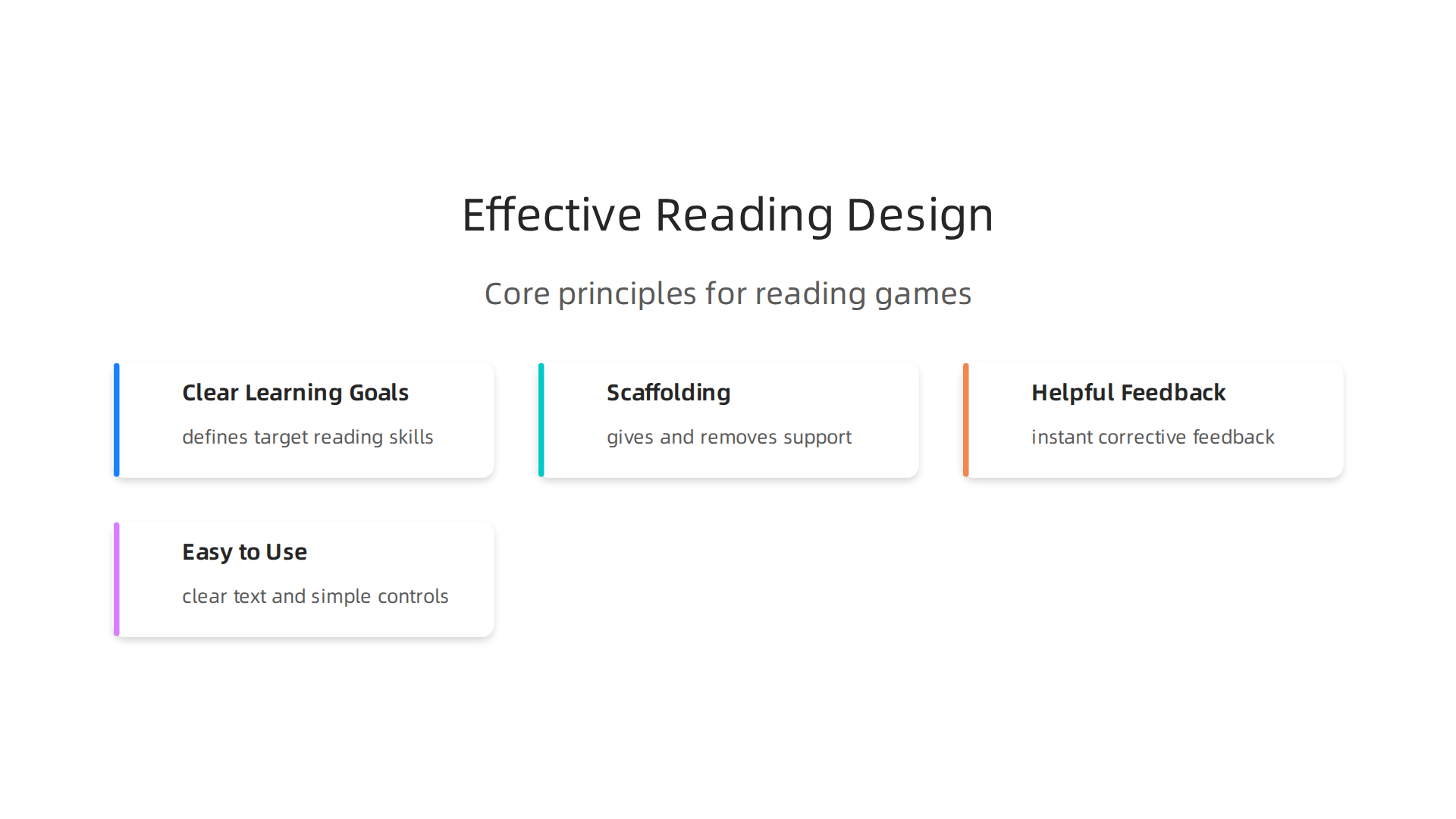
- Clear Learning Goals: First, a good game knows what it wants to teach. Is it new words, how sentences work, or reading faster? The game’s fun parts should always help you learn that main goal. This means the game’s activities and challenges are clearly tied to reading skills, as highlighted in "The Mechanism and Design Principles of Serious Games in…" research The Mechanism and Design Principles of Serious Games in.
- Scaffolding: This is like building a ladder. When you start, the game gives you a lot of help. Maybe it highlights words, shows pictures, or lets you hear the text. As you get better, the game slowly takes away some of that help. This "scaffolding" lets you learn new things without feeling overwhelmed, just like how teachers use it to help students read harder texts, according to experts on how to use scaffolding in game-based learning.
- Helpful Feedback: Imagine playing a game and not knowing if you did something right or wrong. That wouldn’t be much fun! Good reading games give you instant feedback. They tell you right away if your answer was correct or explain why it wasn’t. This helps your brain learn and remember, making the process much faster and more effective. Instant feedback is a core part of educational game development, helping players see results quickly after each action Educational Game Development: Complete Guide.
- Easy for Everyone to Use: An effective game is one that everyone can play. This means thinking about things like clear text, easy-to-see colors, and simple controls. It’s about making sure the game isn’t confusing or hard to figure out, so you can focus on reading, not on how to play the game itself. This also means supporting diverse learners, like offering options for those with dyslexia.
Making Games Smooth and Enjoyable
Beyond these main ideas, game creators also think about how the game feels when you play it:
- No Fussy Bits: The game should be easy to start and move through. You shouldn’t have to click too many buttons or wait a long time between tasks. The easier it is to just play, the more you’ll enjoy learning.
- Clear Path Forward: You should always know what to do next and feel like you’re making progress. Games do this with levels, points, or by unlocking new stories. This clear path keeps you motivated to keep learning and playing. You might enjoy finding new challenges by checking out NYT Connections game and the top puzzle apps to play in 2026.
- Options for All Readers: Some people learn differently. A good reading game will have options that help. For example, some might have bigger fonts, different background colors, or spoken words to help those with visual needs or reading challenges. This makes the game friendly and helpful for more people.
Designing truly effective reading games takes thought and care. It’s about combining fun with solid learning methods and smart technologies so that anyone can improve their reading skills. If you’re interested in how smart technologies and AI are changing many areas, not just games, you’ll find the following helpful.
The AI Newsletter Worth Reading
Get clear daily AI updates from The AI Newsletter Worth Reading.
Assessment and Measuring Progress in Game-Based Reading
After making sure reading games are designed well, the next big question is: how do we know if they’re actually working? How can we tell if adults are truly getting better at reading by playing these games? This is where good assessment comes in. It helps us see what someone has learned.
What Reading Games Should Measure
When we think about measuring how much someone learns from reading games, we look at a few main things:
- Reading Fluency: This means how smoothly and quickly someone can read. It’s not just about reading fast, but also reading without struggling over too many words. Good reading games track this to see if you’re becoming more natural with your reading.
- Reading Comprehension: This is about understanding what you read. Are you getting the main idea? Can you remember important details? Effective reading games have ways to check if you truly grasp the stories and information presented.
- Vocabulary Growth: Learning new words is a big part of getting better at reading. Games can introduce new words and then test if you remember what they mean.
- Engagement: How much you enjoy playing and how often you come back to the game matters, too. If a game is fun and you play it a lot, you’ll have more chances to learn. Game makers pay close attention to this, looking at how long people play and how they interact, much like tracking insights in endless runner games enduring appeal monetization AI and player growth strategies 2026.
How Games Track Learning
Modern reading games use smart technologies, including AI, to watch how players learn. They collect information on every choice you make, every word you read, and every puzzle you solve. This in-game data helps designers understand where you might be struggling or excelling.
But just looking at what happens inside the game isn’t always enough. Experts also compare this in-game data with results from real reading tests that people take outside the game. This helps confirm that the skills learned in the game truly help in real-world reading situations. Using AI in gaming to improve user experience and learning is a big trend in 2026, as discussed in the State of AI in Gaming 2026 report.
Important Things to Watch Out For
Sometimes, people might think a reading game is great just because players spend a lot of time on it. They might see high engagement and think that means everyone is learning. But that’s not always true. A game can be very fun, like many good games to play in 2026 across PC console and mobile, without actually teaching new reading skills.
The biggest mistake is to only care about how much someone plays (engagement) and not if they are actually learning (learning validation). It’s crucial that game creators check if their reading games are truly helping people get better at reading, not just having fun with fun unblocked games. Both fun and learning need to go hand in hand for the games to be truly effective.
Moving from understanding how reading games track learning, let’s explore the different types of reading games out there. Finding the right game format and platform is key to making sure they are both fun and truly helpful. In 2026, there are more choices than ever before for improving reading skills through play.
Types of Reading Game Formats
Reading games come in many shapes and sizes, each good for different kinds of learning:
- Story-Driven Apps: These games put reading into an exciting story. You might have to read clues, follow a character’s journey, or make choices that change the story. This format helps with reading comprehension because you need to understand what’s happening to move forward. Many of the 20 Best Reading Apps, Games, and Resources use this method.
- Phonics Drills: These games focus on the building blocks of reading. They help players learn letter sounds, how to blend sounds into words, and how to break words apart. They often feel like fun puzzles or quick challenges.
- Augmented Reality (AR) and Virtual Reality (VR) Experiences: These are newer kinds of reading games. Imagine holding your phone up and seeing words appear in your real room, or putting on a VR headset and being inside a storybook. These experiences can make reading feel very real and exciting, using smart technologies to bring words to life.
- Multiplayer Reading Challenges: Some reading games let you play with others. You might compete to solve reading puzzles the fastest or work together to build a story. This can be great for motivation, making reading feel like a team effort or a friendly competition, similar to how players find fun in multiplayer games on mobile in 2026.
- Desktop Learning Management System (LMS) Integrations: These are more formal tools often used in schools. They are like special programs on a computer that teachers can use to give reading assignments, track student progress, and provide extra help. They combine learning with game-like elements to keep students interested.
Choosing the Best Reading Game for Different Ages
The best reading game depends a lot on who is playing. Here’s a quick guide:
- Preschoolers: Look for games that focus on phonics and letter recognition. Simple story-driven apps with bright colors and clear sounds are perfect. They should be easy to play, like simple play classic games.
- Elementary School Kids: Games that build vocabulary and comprehension through engaging stories work well. Multiplayer games can also be a hit, encouraging them to read more with friends.
- Teens: For this age group, more complex story-driven games or AR/VR experiences can keep them hooked. Challenges that connect reading to their interests, like mystery solving or world-building, are often very effective.
- Adult Learners: Adults often benefit from apps that offer quick, focused lessons and diverse reading materials. Apps like Nibble, listed among the Best Educational Apps for Adults in 2026, provide short, gamified lessons across various subjects.
How to Use Reading Games: A Checklist
No matter the age, here’s how to make the most of reading games in different settings:
- For Classrooms:
- Pick Games That Match Lessons: Choose reading games that go along with what students are learning in class.
- Use Data to Help Students: Look at the game’s reports to see where students need more help.
- Mix Game Time with Other Reading: Don’t let games replace all reading, but use them to make learning fun.
- For Home Learning:
- Choose Easy-to-Use Platforms: Make sure the game works on devices you already have, like a tablet or computer. Knowing how to choose the right tablet, for example, can make a difference in accessibility for learners.
- Play Together Sometimes: Join in with the child to show interest and help if they get stuck.
- Set Fun Goals: Celebrate small achievements to keep motivation high.
- For Solo Learning (Adults or Teens):
- Find Games with Clear Progress Tracking: This helps you see how much you’re improving.
- Pick Games with Varied Content: Look for different types of stories or challenges to keep things interesting.
- Schedule Regular Play Times: Treat it like any other learning task to build a habit.
By picking the right reading games and using them smartly, you can make reading practice enjoyable and truly effective for learners of all ages.
Keeping up with all the new technologies that power these games can be a challenge. If you want to stay in the loop with the latest in AI and tech, we have something for you.
The AI Newsletter Worth Reading
Summary
This article explains why reading games are powerful tools for learners at every stage, from preschoolers to adults, and shows how to choose and use them effectively. It reviews the research showing games can boost phonemic awareness, vocabulary, fluency, and motivation, and explains age-appropriate game types and features—like adaptive difficulty, scaffolding, and instant feedback—that actually support learning. The guide offers practical tips for parents, teachers, and adult learners on balancing screen time, connecting game content to real life, and selecting games that align with curriculum or personal goals. It also covers assessment: what good games should measure (fluency, comprehension, vocabulary, engagement) and why in-game data must be validated against real reading tests. Finally, the article outlines common formats (story-driven apps, phonics drills, AR/VR, multiplayer, LMS) and gives checklists to help you pick games that are both fun and educational so learners make real progress.