

Why a ‘Smart Future’ Matters — and Why Clarity Is Hard to Find
The idea of a "smart future" is all around us in 2026. But what does it really mean? For many people, a smart future points to a world where technology makes our lives simpler, safer, and more fun. Think of smart homes that know when you’re coming home, cars that drive themselves, and helpful robots that handle chores. It also includes amazing new tools like artificial intelligence (AI) that can help us do tasks faster and smarter.
This big shift affects everyone. It matters to everyday people who want to buy the best new gadgets. It’s important for companies that build these new products, from developers doing an "alpha test" on new software to big teams creating the next big thing. And it’s key for leaders who set rules for how we use new technology. Learning what technology really is can help us understand this future better, as explained in our guide on how to define technology unlock its true meaning and navigate the future of tech.
Here’s the thing: while the idea of a smart future sounds great, actually understanding it can be quite tricky. We live in a world where new tech news comes out every single day. There’s so much information, it feels like an "information overload."

You hear about "top 10 technology trends," "technology y," and groundbreaking ideas all the time. It can be hard to tell what’s truly helpful and what’s just a lot of talk or hype.
Trying to keep up with all these fast changes can feel like a full-time job. Many people turn to special newsletters to help make sense of it all, seeking clear updates on what matters most in tech The Best AI Newsletters to Subscribe to in 2026.
The goal of a smart future is to make things clearer and easier, but getting clear information about it can sometimes be the biggest challenge.
To help you cut through the noise and get truly helpful information about AI and other major technology shifts, we recommend a resource that delivers expert analysis directly to your inbox.
Get clear daily AI updates from The AI Newsletter Worth Reading.
The smart future isn’t just one big thing. It’s built on a few important ideas working together. In 2026, we see three big helpers that make our devices and systems much smarter. These are Artificial Intelligence (AI), super-fast internet connections like 5G and the upcoming 6G, and "edge computing."
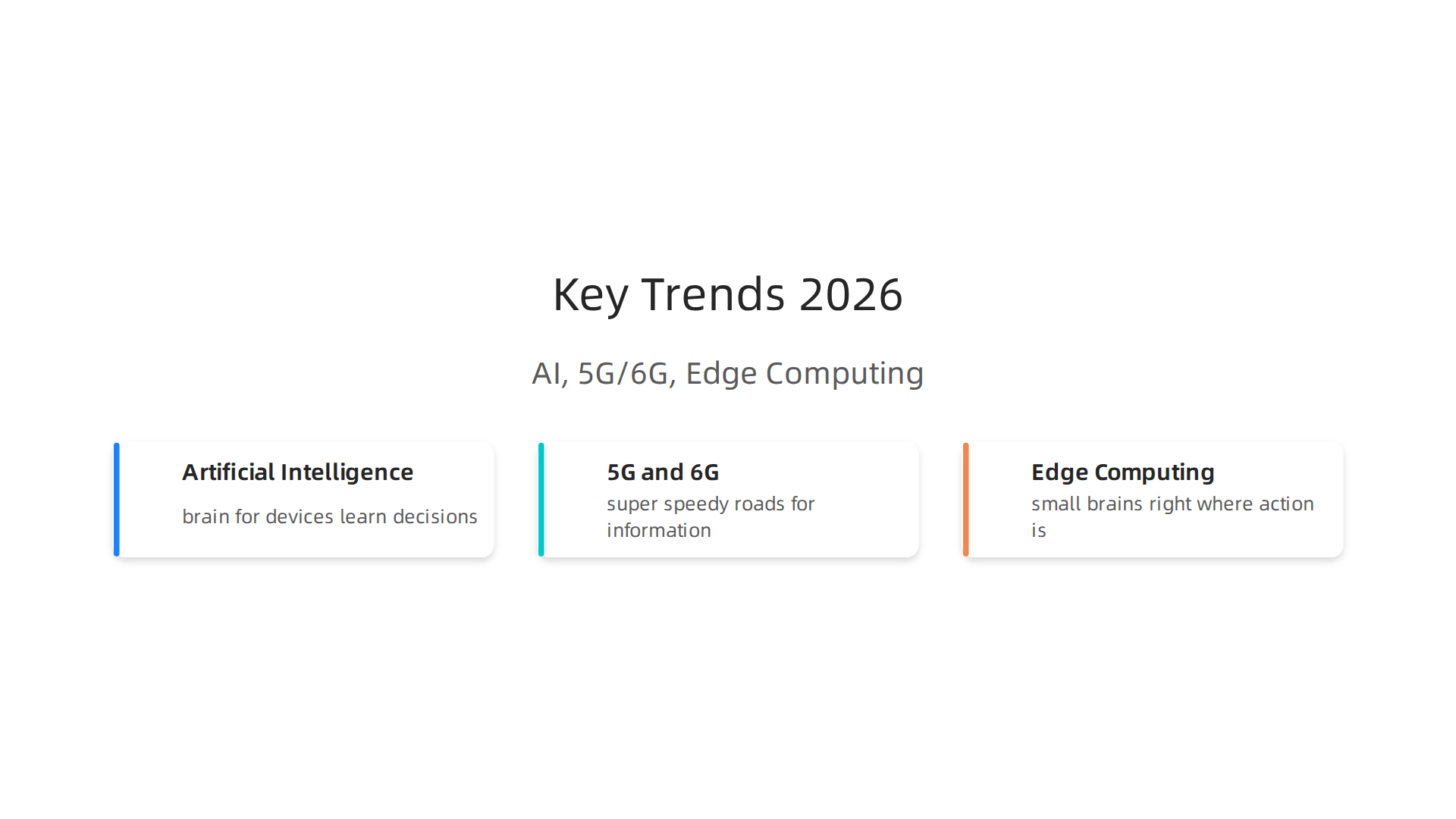
Think of AI as the brain that helps devices learn and make decisions. Then, 5G and 6G are like super speedy roads for information to travel on, making sure everything connects quickly. Edge computing is like having small brains right where the action is, instead of sending all information to a big central brain far away. This makes smart devices respond super fast. These three forces together are shaping the future of technology, as noted in the Deloitte 2026 Technology, Media & Telecommunications Predictions.
What do these big changes mean for you, the person using these gadgets? People who buy new tech, whether they are early adopters or just getting started, care about a few main things:
- Easy to Use: Technology should be simple to set up and use every day. No one wants a device that’s too hard to figure out.
- Keeps Things Private: With more smart devices around, people want to know their personal information is safe. Privacy is a big deal for everyone.
- Works Well Together: Smart devices should talk to each other. Your smart lights should work with your smart speaker, and your fitness tracker should share info with your phone. Everything needs to be connected and work as one team. This is about making sure technology works smoothly in your home.
This focus on making things simple, private, and well-connected is why smart homes are growing so fast. The market for smart home gadgets is expected to be worth around $164.13 billion in 2026 and could grow to $311.22 billion by 2031, according to Smart Home Market Trends And Statistics 2026. This shows how much people want these smart solutions in their daily lives. Many of these smart devices also rely on advanced location data and AI to work their magic, making them more helpful. You can learn more about how this works by checking out technologies powering location data and AI innovation.
2) Practical Applications: How Smart Tech Improves Daily Life and Workflows
Now, let’s look at how all this smart technology, like AI and super-fast internet, actually helps us every day. The promise of an easy-to-use, private, and connected experience isn’t just a dream. In 2026, smart devices are making our homes, work, and even our health much better.
Imagine your home becoming truly helpful. Smart lighting can learn your habits and turn lights on and off by itself, saving energy.

Smart thermostats keep your home comfy and also save on electricity bills. And smart security cameras and doorbells let you keep an eye on things from anywhere, giving you peace of mind. These devices use AI to understand what you need, making your home a real smart future space.
At work, smart tech changes how we get things done. AI assistants can help sort emails, set up meetings, or find important information super fast.

This means you spend less time on small tasks and more time on big ideas, which really boosts your workflow. Smart tools can look at lots of data to help you make better choices, making tasks that used to take hours now take minutes. It’s about making your work smarter, not harder.
Even your health gets a boost. Smartwatches and fitness trackers use AI to keep tabs on your steps, sleep, and heart rate. They can tell you if you’re getting enough exercise or if something seems off. For example, the Samsung Health app with smart tracking and AI helps you manage your well-being with ease. In cars, smart systems guide you with better maps and even help you drive safer with advanced features.
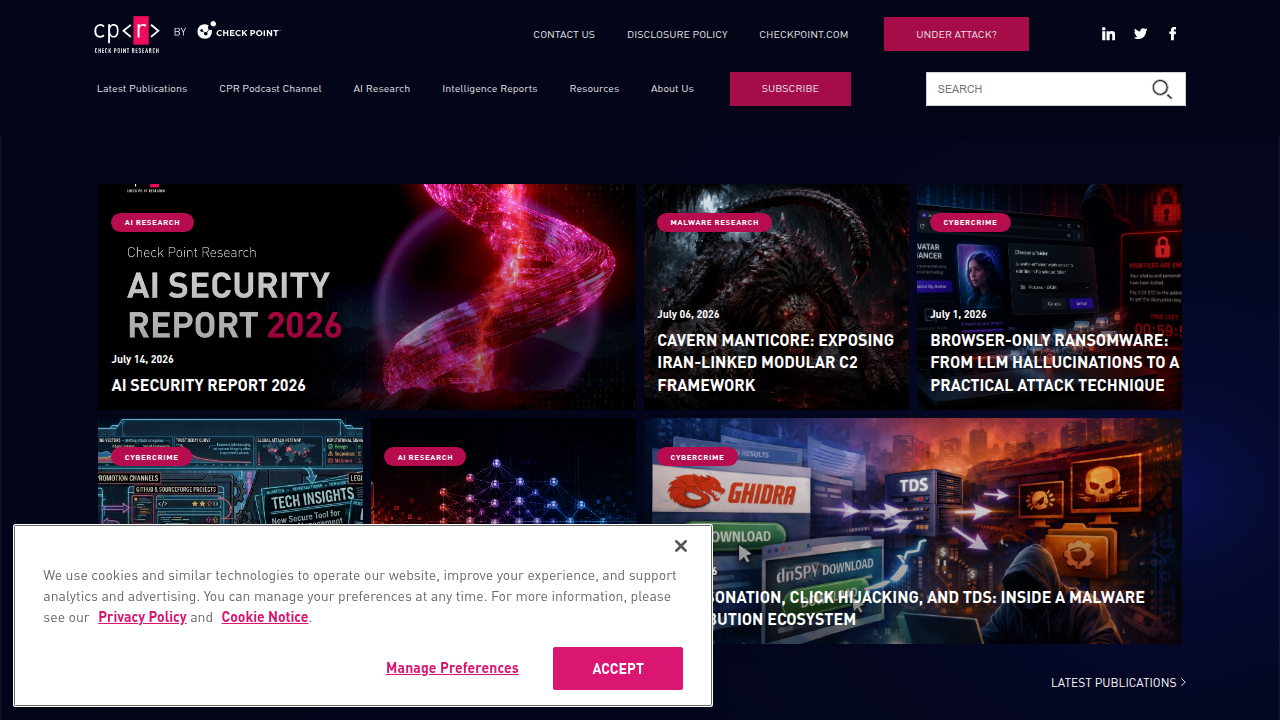
Of course, with all this smart tech, keeping your information safe is very important. Companies are working hard to protect your privacy and security. Experts are always looking for new ways to keep AI systems safe from harm, as noted in the AI Security Report 2026.
You can also take steps to keep your devices secure, like learning how to master your Samsung notification and tracking settings for better privacy.
The smart future is about making life simpler, safer, and more connected for everyone. It’s truly amazing to see how quickly this technology y is changing our world for the better.
To stay on top of all the exciting changes in AI and technology, there’s a newsletter that delivers clear updates right to your inbox.
Get clear daily AI updates from The AI Newsletter Worth Reading.
You’ve seen how smart tech can make life better in so many ways. But with all the amazing new gadgets out in 2026, how do you pick the right one for your home or work? It can feel a bit tricky! Think of it like picking the best tool for a job. You want one that works well, lasts long, and keeps your information safe.
Here’s a simple checklist to help you choose the best smart devices:
Does It Play Well With Others? (Interoperability)
The first thing to think about is if your new smart device can talk to the ones you already own. For example, if you have a Google smart speaker, will a new smart light bulb work with it? Look for devices that support common "smart languages" like Matter or Thread. These are like universal translators that help different brands of devices work together smoothly. This makes sure your new gadget fits into your existing smart home devices setup.
Is Your Information Safe? (Data Practices)
Smart devices collect information to help them help you. But you need to know if they keep your private details safe. It’s good to check if a device does its smart thinking right on the device itself. When it does, your personal data does not always have to travel to the internet or "cloud," which can add an extra layer of privacy and safety for your information, as highlighted in a guide on choosing the best smart device in 2026.
Will It Last? (Support and Long-Term Value)
You want a device that will keep working well and get better over time, not break down quickly. Check if the company promises to send updates for many years to keep the device safe and new. Also, if it’s a portable gadget, how long does its battery last? Reviewers often test devices for their battery life, noting if they offer more than 14 days of use on one charge. Some gadgets are even made so you can fix them easily if something goes wrong, making them a good investment for the future. You can find more tips in expert buying guides on choosing smart gadgets for home in 2026.
Different Buyers, Different Needs
- For Early Adopters: If you love being the first to try new things and don’t mind a few challenges along the way, you’ll jump on the very latest tech. You’re often looking at the newest options that are part of the top 10 technology trends of 2026.
- For Everyday Users: Most people just want smart devices that are easy to set up and use every day. They care most about things simply working and making their life easier without much fuss. They are looking for a practical smart future in their homes, helping with tasks like saving energy or staying connected.
- For Small Businesses: Business owners need reliable tools that save money and time. They look for devices that can help with work tasks, keep important data safe, and come with good customer support in case they need help. Reliability and security are key for them.
Choosing the right smart devices is just the first step. For your smart future to be truly great, you also need to think about keeping your information safe and sound. This means understanding the risks and knowing what to do to protect yourself.
Primary Risks with Smart Devices and AI
Today, in 2026, many of our smart gadgets and even the apps we use have artificial intelligence (AI) built into them. This AI helps them do amazing things, but it also brings new challenges for security and privacy.
Here are some main risks:
- Collecting Too Much Data: Smart devices are always watching and listening to learn about your habits. Sometimes, they might collect more information than they actually need. This data could be about where you go, what you say, or even your health.
- Hacks and Leaks: Just like any computer, smart devices can be targeted by bad actors. If someone hacks into a device or the company that holds its data, your private information could get out. Reports show that dealing with things like data leaks from AI systems is one of the Top 10 Privacy, AI & Cybersecurity Issues for 2026.
- AI Making Mistakes: Sometimes, AI can "hallucinate" or be tricked. This means it might give out wrong information or act in ways that are not helpful or secure.
What You Can Do to Stay Safe
Protecting your information might seem like a big job, but there are simple things you can do.
- Check Your Privacy Settings: Always look at the privacy settings on your smart devices and apps. Make sure they are set to share as little information as possible.

You can learn more about managing these settings by checking out how to Master Your Samsung Notification and Tracking Settings for Enhanced Privacy.
2. Strong Passwords Are a Must: Use passwords that are long and mix letters, numbers, and symbols. Don’t use the same password for everything.
3. Keep Software Updated: When companies send out updates for your devices, install them right away. These updates often fix security holes and make your devices safer.
4. Be Careful What You Share: Think twice before giving a device access to your location, photos, or microphone if it doesn’t truly need it to work.
5. Look for On-Device Processing: Some newer devices are designed to do their "smart thinking" right on the device itself, instead of sending all your data to the internet. This can add an extra layer of privacy. Experts are even looking into Protecting On-Device AI Inference to make sure this local processing is super secure.
6. "Alpha Test" Your Habits: Think of it like a personal "alpha test" for your digital habits. Regularly check what devices you use, what information they access, and how you can make things safer. This helps you build a more secure smart future.
By taking these steps, you can enjoy all the amazing benefits of new technology without worrying too much about your privacy. Staying informed about the latest in AI and tech security is also super important.
Get clear daily AI updates from The AI Newsletter Worth Reading.
Taking steps to protect your information is smart. Now, let’s talk about how you can bring smart technology into your life or business in a careful way, starting small and then growing. This is like creating a roadmap for your "smart future."
How to Try Out New Smart Tech Safely
When you think about adding new smart gadgets, it’s a good idea to start with a pilot program. Think of it as a small test run. This helps you see if the technology really helps you without big risks.
Here’s how to do it:
- Start Small with Clear Goals: Don’t buy a whole house full of smart devices at once. Pick one or two gadgets that solve a real problem for you. Maybe you want to save energy with a smart thermostat, or make your mornings easier with a smart coffee maker. Clearly define what you want the device to do. Many experts suggest mapping out common issues you face before buying any smart gadgets, as shown in the How to Choose the Right Smart Electronics in 2026.
- Check Compatibility: Make sure new devices can talk to the ones you already have. Look for devices that support common connection types like Matter or Thread, as this makes sure they work well with your existing smart home setup or voice assistants. You can find many tips in guides for How To Choose The Best Smart Device In 2026.
- Perform an "Alpha Test": Just like we talked about with your personal habits, give your new device a trial run. See how it performs for a week or two. Does it do what it promised? Is it easy to use? Does it fit into your daily life without causing headaches?
Important Things to Look For
Before you buy, and during your pilot test, think about these points:
- Battery Life (if portable): For smart devices you carry, like smart glasses, how long does the battery last? Look for ones that last a long time, often more than 14 days of use on one charge.
- Charging Speed: If it charges wirelessly, is it fast and safe? Look for features like Qi2 certification for quick and stable charging. These are key factors in a Practical Guide to Choosing 2026 Smart Tech Gadgets.
- Local Control: Can the device still work even if your internet goes down? Some devices do their "thinking" right on the device itself, which adds to your privacy and ensures they still work offline.
- Automation: Does the device support "if this, then that" rules? This allows it to work with other devices to make your life truly easier. You can watch a helpful video about evaluating devices with a Smart Device Comparison Checklist.
Growing Your Smart System
Once you’re happy with your pilot devices, you might want to add more. Here’s how to scale up your smart technology wisely:
- Seamless Integration: When adding new devices, think about how they’ll connect with everything else. Sticking to one main ecosystem (like Apple, Google, or Amazon) can make things much simpler.
- Support and Updates: Always check how long the company promises to give software updates for their devices. These updates are super important for security and making sure your device keeps working well. Look for companies that commit to at least 5 years of updates. Also, see if they clearly state when they plan to stop supporting a product. This is part of choosing Smart Gadgets for Home 2026.
- Long-Term Value: Consider if parts of the device can be replaced, like batteries or sensors. This means your device could last longer and stay out of landfills, which is good for the environment and your wallet.
By planning your smart technology adoption like this, you’ll be well on your way to building a secure and useful smart future that truly helps you. You can learn more about how technology is changing our lives and what to expect next in articles like Define Technology, Unlock Its True Meaning, and Navigate the Future of Tech.
Smart Tech for Good: Equity, Accessibility, and Social Impact
Building a great smart future is not just about having cool gadgets. It’s also about making sure everyone can use and benefit from new technology. We want a smart future where technology helps to make things fair for all people, no matter where they live or what challenges they face. This means thinking about fairness, ease of use for everyone, and how technology helps society as a whole.
How Smart Tech Helps Everyone
Smart technology can be designed to reach more people and help those who might be left behind. For example, in 2026, we see many groups using smart ideas to solve real problems.
- Helping people get around: Self-driving buses can help older people or those with disabilities move more freely in cities. This makes sure more people can get to where they need to go, helping them be a part of their community. You can see examples of this in Autonomous Driving Demonstration Experiment Case Studies.
- Connecting remote areas: Smart villages and islands are using technology to bring internet, education, and health services to places that are far away from big cities. This helps people in these areas get the same chances as everyone else, creating a more connected smart society.
- Education and Health for All: Artificial intelligence (AI), which is a big part of the top 10 technology trends for 2026, is being used by many groups to help with learning and health care. For example, AI chatbots can offer personalized learning to students. This is just one way 50 NGOs are Using AI to drive real-world impact today. There are also many other innovations in AI that help people every day. You can find out more about these innovations in articles like Here Technologies Powering Location Data and AI Innovation.
Making Sure Tech Does Good and Not Harm
It’s important to keep an eye on how smart technology is used. We need ways to check if it’s truly helping people and not causing new problems. This is called measuring social impact. Governments and groups are creating ways to track this. For example, the Government of India launched special guides in 2026 to show how AI is helping in areas like health and education. You can read more about these efforts in the AI Impact Casebooks. By looking at these examples, we can make sure our smart future grows in a good way for everyone.
Want to stay on top of how AI is shaping our world for the better? Get the latest updates directly.
The AI Newsletter Worth Reading
Policy, Standards, and the Role of Institutions in Shaping the Smart Future
To make sure our smart future grows in a good way, we need clear rules and guidelines. This is where government policies, industry standards, and public groups play a big part. They help decide how new technology is made, how safe it is to use, and how it protects us.
How Rules Shape Smart Tech
Governments around the world are making new rules for smart technology. These rules can affect how products are designed, like making sure your smart home devices are safe from hackers or that your personal information is kept private. For example, some rules might say how companies need to handle the data collected by smart devices. This helps keep consumers safe and builds trust in new technologies. Experts also look at these rules closely, as shown in the Deloitte 2026 Technology, Media & Telecommunications Predictions, to understand what changes are coming.
The Importance of Standards
Beyond government rules, there are also "standards." These are like common agreements on how different technologies should work together. Imagine if every smart light bulb needed its own special app. Standards help prevent this by making sure different products can connect and talk to each other easily. These common ways of working together are key for things like the Internet of Things (IoT) to grow smoothly and create a truly connected smart future. Knowing how to define technology often means understanding these underlying systems.
Protecting People Who Use Tech
One of the biggest jobs of policies and institutions is to protect you, the consumer. This means making sure smart gadgets are not just cool, but also safe and fair to use. Think about your privacy online. Governments and groups work to put rules in place that protect your data and prevent it from being misused. They also watch out for new threats in areas like cybersecurity. It’s also important for you to know how to secure your phone and find digital balance for mobile tech wellness on your own.
What to Watch For
If you are part of a product team or simply a consumer excited about the latest innovations, it’s wise to keep an eye on new policies and standardization efforts. These can signal big changes for the market and how technology will be used. The top 10 technology trends of today will likely be shaped by the rules made tomorrow, ensuring a smart future that works for everyone.
Summary
This article explains what people mean by a