

Why define technology now? Framing the problem and what this guide delivers
Have you ever stopped to think about what "technology" really means? It’s a word we use all the time in 2026, but it can be a little confusing.

For some, technology might mean the latest smartphone or a smart home device. For others, it could be something much older, like a hammer or a printing press. Because there are so many ideas about what technology is, it’s easy to get mixed up.
Actually, many experts have different ideas about what technology means. Some say it’s the "practical application of scientific knowledge" to help people in daily life Technology | Definition, Examples, Types, & Facts.
Others see it as "a means to fulfill a human purpose" The Widest Possible Definition of Technology Includes …. This wide range of views means that finding another word for technology isn’t always simple, because its meaning changes with how we use it.
This confusion isn’t just a small problem. When we don’t have a clear idea of what technology means, it can be hard to understand its true power or even choose the right tools for our lives and jobs. For example, knowing what makes a new piece of tech a real "technology trigger" can help us spot what’s truly important among all the new gadgets, like the Unbelievable New Gadgets 2026 That Truly Matter. Or, understanding different types of information technology helps professionals pick the best systems for their work.
In this guide, we’ll make sense of it all. We will look at many ways to define technology and find common words that mean the same thing. We will explore how new ideas become widely used technologies. We’ll also dive into how different technologies affect our lives, from everyday tools to advanced ideas like beta technologies that are still being tested. Our goal is to give you a clear map to understand technology better, so you can make smarter choices and keep up with the fast-changing world of 2026.
Ready to stay ahead of the curve in understanding tech trends?
The AI Newsletter Worth Reading
When we talk about "technology" in 2026, it’s clear the word means many things. It is not just about new gadgets. Actually, what it means can depend on who you ask. Let’s look at how different groups see technology and how this idea has grown over time.
Different Views on What Technology Means
Think about it like this: if you ask an engineer what technology is, they might tell you it’s about making and using tools. They focus on practical things that solve problems. For them, technology is often the "application of scientific knowledge for practical purposes" [What is technology? | OpenLearn]. This could be a new kind of engine or a smart device. It’s about how we build things and make them work.
If you talk to someone who studies how people live and work together, they might give you another word for technology. They would see it as any way humans try to "fulfill a human purpose" or solve a problem [The Widest Possible Definition of Technology Includes …]. This view is much wider. It includes not just the tools themselves, but also the methods, skills, and even the way we organize things to get something done. So, a simple cooking recipe or a way to teach students better could also be called technology in this sense. One idea is that technology is "a system of means to particular ends" that includes both things we build and the know-how we use [Chapter 2 – Technology: Concepts and Definitions].
For businesses, technology is often about how we handle information and make work easier. This is where we hear terms like "information technology." This means using computers, software, and networks to manage and share data. It helps companies do their jobs better and reach their goals. Whether it is helping a business stay organized or making sure our phones run smoothly, information technology is everywhere. Thinking about how all these parts work together helps us understand things like here technologies powering location data and ai innovation.
The main idea that connects all these different views is that technology is always about people finding ways to change things. It is about using knowledge, tools, and skills to help us do things we couldn’t do before, or do them better.
Technology Through Time
The meaning of technology has grown a lot. Long ago, technology was mostly about simple tools like a stone axe or a wheel. These were physical things that helped people build, farm, or travel. There wasn’t much thought about "another word for technology" because the definition was so clear: a tool.
Over hundreds of years, the idea got bigger. People started to think about not just the tools, but also the ways we use them. For example, the printing press was a huge leap. It was a machine, yes, but it also created new ways to share information and learn. This showed that technology could be about processes and systems, too.
In our world today, in 2026, technology is even wider. It includes everything from advanced robots to invisible software on our phones. It even covers ideas like "beta technologies," which are new tools or systems still being tested to see if they work. This shows that technology is always changing. It keeps growing to include new ways we solve problems, communicate, and live our lives. It’s truly "the application of conceptual knowledge to achieve practical goals" in a repeatable way [Technology – Wikipedia].
The meaning of technology has surely grown a lot, but sometimes, saying "technology" over and over can get a bit boring. Actually, there are many other words for technology you can use, and picking the right one helps you explain things better.
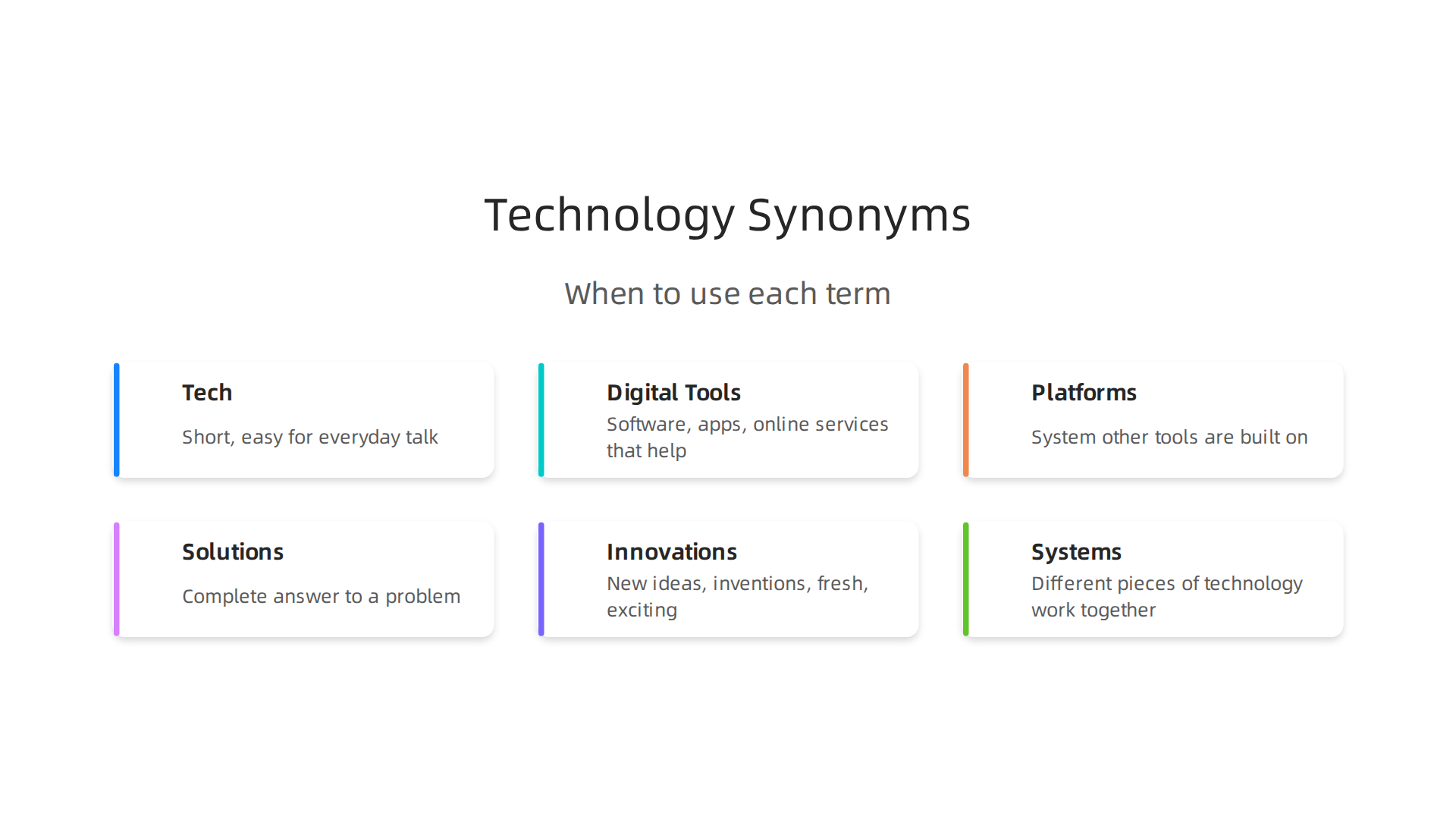
Another Word for Technology: Useful Synonyms and When to Use Them
When we talk about new things that help us, we often use different words depending on what we mean. Here are some common ones and when they fit best:
- Tech: This is a short and easy way to say technology. People use "tech" all the time in everyday talk. It’s great for quickly talking about new phones, smart gadgets, or computers. For example, you might say, "I love checking out the latest tech news." This covers many different kinds of products, like the definitive technology speakers you should buy in 2026 or new mobile devices.
- Digital Tools: This phrase is perfect when you’re talking about software, apps, or online services that help you do things. Think about apps on your phone or computer programs that make work easier. These are often the actual "means" we use daily, like a website builder or a website summarizer.
- Platforms: This word is used when you mean a system that other tools or services are built on top of. For example, a phone’s operating system is a platform, or a social media site is a platform. Companies often evaluate these using a Technology Selection Framework to make sure they choose the best fit.

- Solutions: When someone talks about a "technology solution," they usually mean a complete answer to a problem, often for businesses. It’s not just one tool, but a whole package of tools, software, and ways of working together to solve a specific need. Looking at 10 Factors For Evaluating New Technology can help in choosing the right solution.
- Innovations: This word points to new ideas or inventions that are fresh and exciting. An innovation is often something that changes how we do things in a big way. It is often what a "technology trigger" might set off, meaning it starts a new trend or way of thinking.
- Systems: This term is good for describing how different pieces of technology work together. For instance, a smart home has many gadgets that form a smart home system. Or a company’s way of managing data might be called an information technology system.
When we talk about things that are still new and being tested, we might call them beta technologies. These are like early versions of new tools or ideas that aren’t fully ready yet.
Choosing the right word helps you be clearer and more exact. It’s not just about finding "another word for technology," but about using the word that best fits what you’re trying to say. This helps everyone understand better, whether you’re writing for a product, explaining something to a customer, or just chatting with friends.
Understanding what we call technology is one thing. But what actually makes technology change and grow? In 2026, we see many things that act as a "technology trigger," pushing new tools and ideas forward.
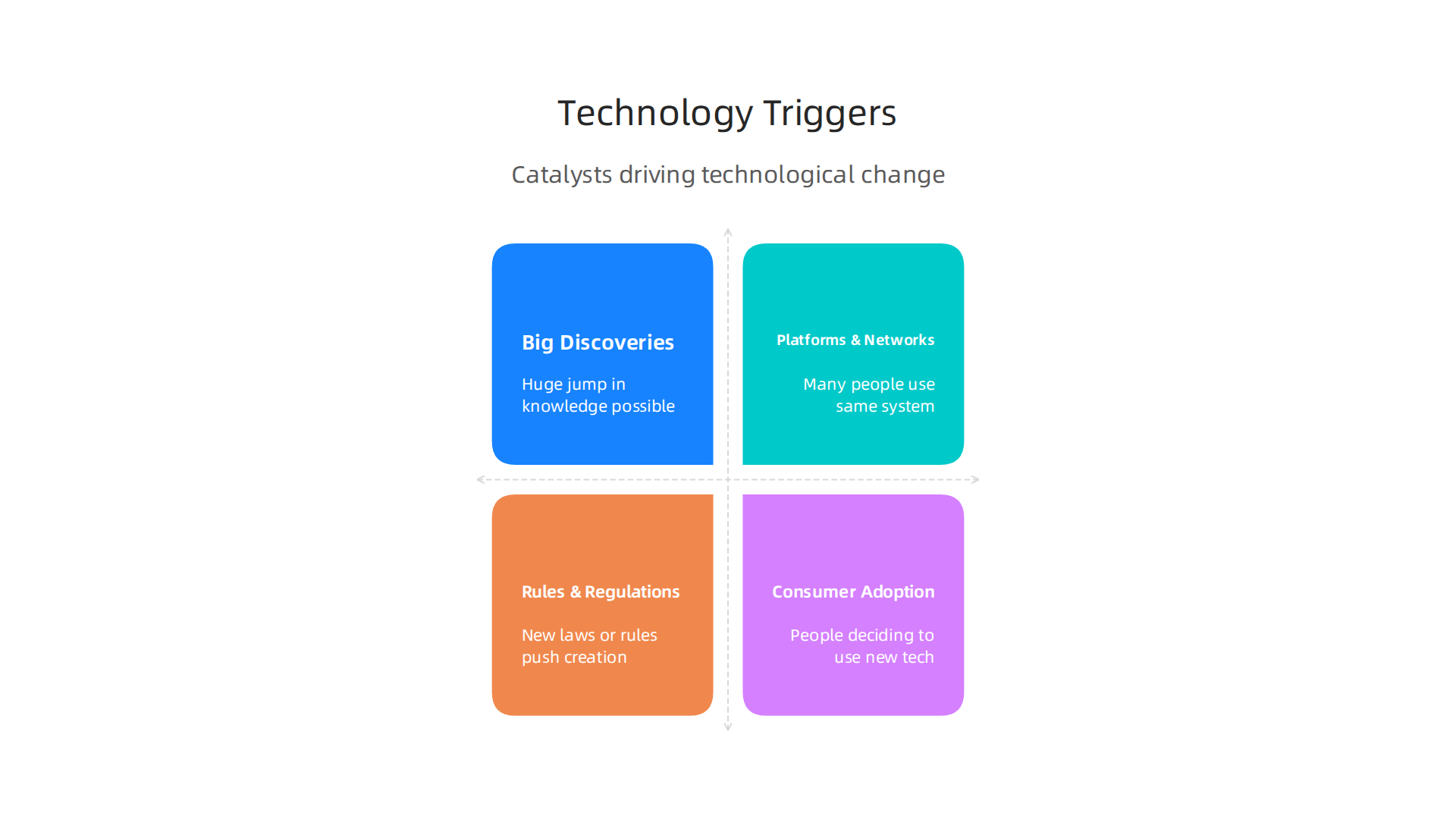
These triggers can be big discoveries, new ways of working together, rules set by governments, or simply what people want to use every day.
Big Discoveries and New Ideas
Sometimes, a huge jump in knowledge makes new technologies possible. Think about how far Artificial Intelligence (AI) has come. New Technologies Powering Location Data and AI Innovation are changing many parts of our lives. These kinds of breakthroughs act like a spark, leading to completely new types of products and services. For example, smarter AI models allow computers to do tasks that were impossible just a few years ago.
How Things Connect: Platforms and Networks
Another big trigger for technology is when many people start using the same system or platform. This is called a "network effect." Think about how social media grew. The more people who joined, the more useful it became for everyone. These platforms become the base for even more new tools. Businesses often look at how different factors influence their use of advanced technologies, like the need to improve how they work or cut costs, as outlined in reports like Advanced Technologies for Industry– Final Report.
Rules and Regulations
Sometimes, new laws or rules can make companies create new technology. For example, rules about keeping people’s information safe mean that companies have to build better security into their apps and systems. Or, rules about the environment might push companies to make greener technology. These rules can guide the growth of entire parts of the information technology world.
What People Want: Consumer Adoption
Ultimately, people deciding to use new tech is a huge trigger. If enough people try and like a new gadget or app, it encourages more companies to make similar things. Interestingly, research shows that a real "technology trigger" for people to try something new often comes from having a bit of unexpected free time, which catches their attention Research: When Are Customers Willing to Try a New Technology?. This push from everyday users is a strong force.
Small Steps vs. Big Changes
Not all technology changes in the same way. Some changes are small and steady, making existing things a little better. This is like a phone getting a slightly faster chip each year. Other changes are big and sudden, completely changing how we do things. For example, when smartphones first came out, that was a huge, disruptive change, not just a small update. Both types of changes are important, but the big, disruptive ones often start with a strong "technology trigger."
Staying on top of these triggers and what they mean for the future can be a lot. If you want to understand these changes better, especially in the fast-moving world of AI, you’ll need clear, daily updates. Get clear daily AI updates from The AI Newsletter Worth Reading.
Understanding technology triggers is just the first step. After a new technology comes out, it starts to change how we live, work, and even think.

This is how any new tool, or "another word for technology," reshapes society over time.
How Technology Changes Our Actions and Habits
Technology doesn’t just give us new things to use; it also changes our behaviors. It does this in a few key ways:
- New Tools: Technology gives us tools that make old tasks easier or let us do new things entirely. For example, a fitness tracker, which is a type of information technology, might remind you to move more. It helps you keep track of your steps and goals.
- Rewards and Encouragement: Many apps and devices are designed to give us small rewards or positive feedback. Think of an app that celebrates when you reach a daily goal. This encourages you to keep using it and stick to new habits. This kind of influence is a core part of what experts call behavioral change technology, which uses digital tools to help shape human actions What Is Behavioral Change Technology? ABA & BCT Tools.
- What Things Allow Us to Do: Technology also changes what we can do and how easily we can do it. For example, online learning platforms make it possible to take classes from anywhere, changing how many people learn. These features affect our daily routines without us even realizing it sometimes. Research shows that things like self-monitoring behavior and setting goals are often part of how digital tools help us make changes Digital Behavior Change Intervention Designs for Habit.
When you use smart devices to track your health, you’re experiencing how technology changes behavior. To learn more about how these tools can help you, check out how to maximize your wellness with smart tracking and AI.
Technology’s Impact on Work, Learning, and Social Rules
These changes in individual behavior then spread out to affect bigger parts of society:
- Work: Think about how work has changed. Many jobs now use computers and the internet every day. New information technology like AI tools are changing how tasks are done, making some jobs different and even creating new types of work. People can work from home more easily thanks to digital connections.
- Learning: The internet has made learning resources available to almost everyone. You can learn almost anything online, from coding to cooking. This has changed how schools teach and how people gain new skills throughout their lives.
- Social Rules: Technology also changes how we act with each other. Social media, for example, has created new ways to connect but also new rules for how we share information and what we consider private. Sometimes, new technology can even make us think differently about what is normal or acceptable in public.
It’s important to remember that technology’s effects aren’t always the same for everyone. Different groups of people might experience these changes in various ways. But one thing is clear: technology is always pushing us to adapt and grow. If you’re looking for ways to handle these changes in your own life, especially regarding digital health, you might want to consider how to secure your phone and find digital balance for mobile tech wellness.
Technology is always pushing us to adapt and grow. But with all the new gadgets and smart tools, which is just another word for technology, we also face new worries. These worries are about keeping our information safe and private, and about trusting the companies that make these things.
Security, privacy and trust: risks that accompany new tech
When new information technology comes out, like apps or smart devices, it sometimes has weak spots. These weak spots can let bad actors get to your private details. This is especially true for brand-new items, often called beta technologies, which might not have been fully tested for all possible problems yet. Here are some common ways security and privacy can go wrong:
- Data getting stolen: Sometimes, a company’s systems might be broken into. When this happens, your personal information, like your name or email, can be taken. This is a big problem because that data could be used in ways you do not like.
- Too much tracking: Many apps and services collect a lot of information about what you do, where you go, and what you like. While some of this can make your experience better, too much tracking can feel like an invasion of privacy. Artificial intelligence (AI) tools can use this data in complex ways, so it is important to know what you are sharing. You can take steps to control what your phone shares by learning to master your Samsung notification and tracking settings for enhanced privacy.
- Not knowing who to trust: When you use a new tech product, you have to trust the company behind it. You trust them to protect your data and to use it fairly. If they are not clear about how they handle your information, or if they have many security problems, that trust can be broken.
To help yourself stay safer in 2026, here is a quick checklist to think about when you use new technology:
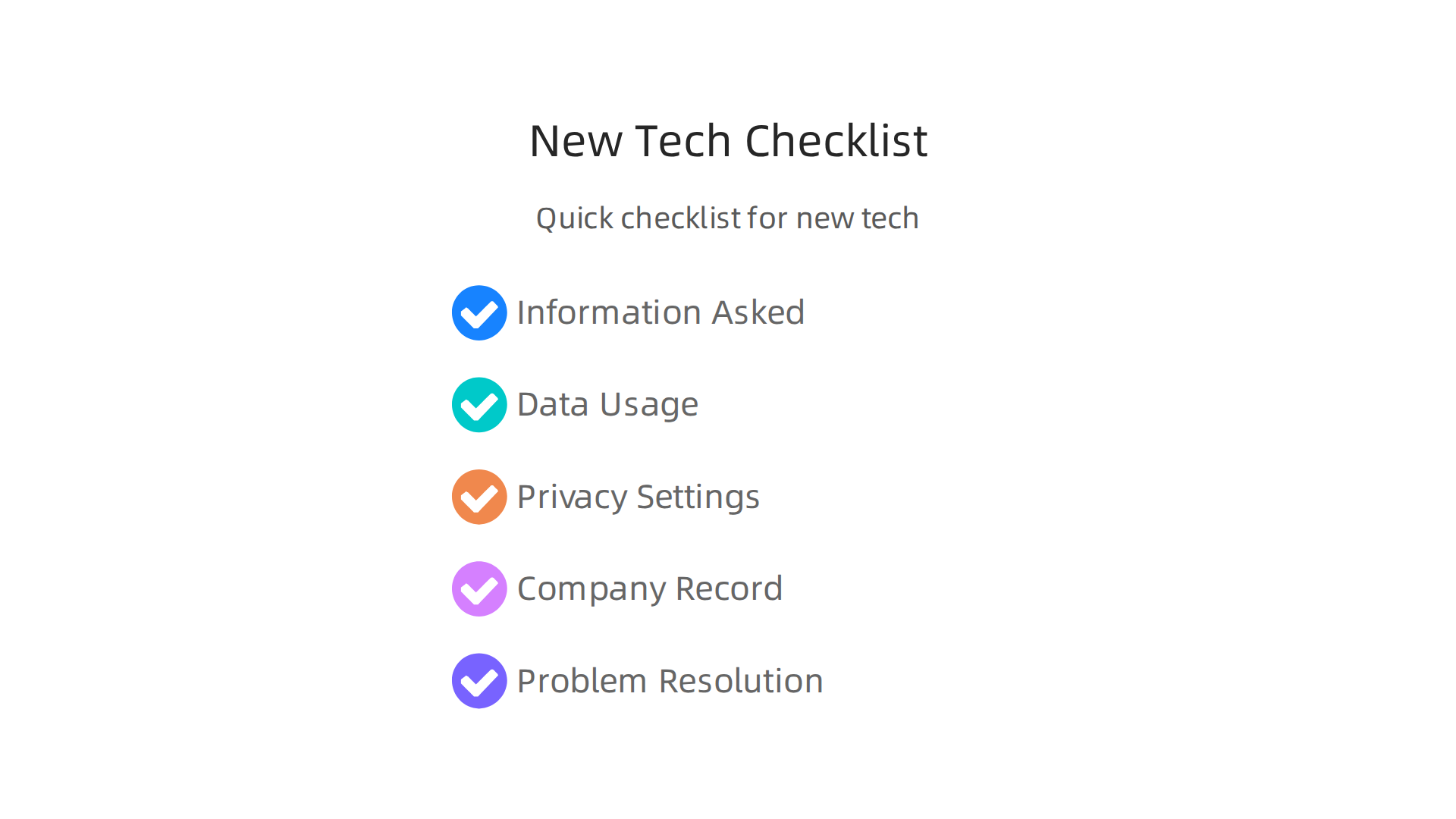
- What information does it ask for? Does it really need your location or your photos to work?
- How will my data be used? Does the company explain this simply?
- Can I control my privacy settings easily? Look for clear options to turn off tracking or data sharing.
- Does the company have a good record of keeping data safe? A quick search can sometimes tell you if they have had past security issues.
- What if something goes wrong? Does the company have a clear way to help you if your data is at risk? For example, knowing how to do a Samsung IMEI check can save you from a stolen phone.
By being aware and asking these questions, you can use technology more safely and with greater peace of mind.
To pick new technology wisely, it helps to have a clear plan. Instead of just buying the newest thing, we can use a checklist to make sure it is the right fit for us. This way, we get the most out of our new gadgets and tools. Think of it as a way to really understand a new item, which is just another word for technology.
Here is a simple way to look at any new tech before you buy or use it:
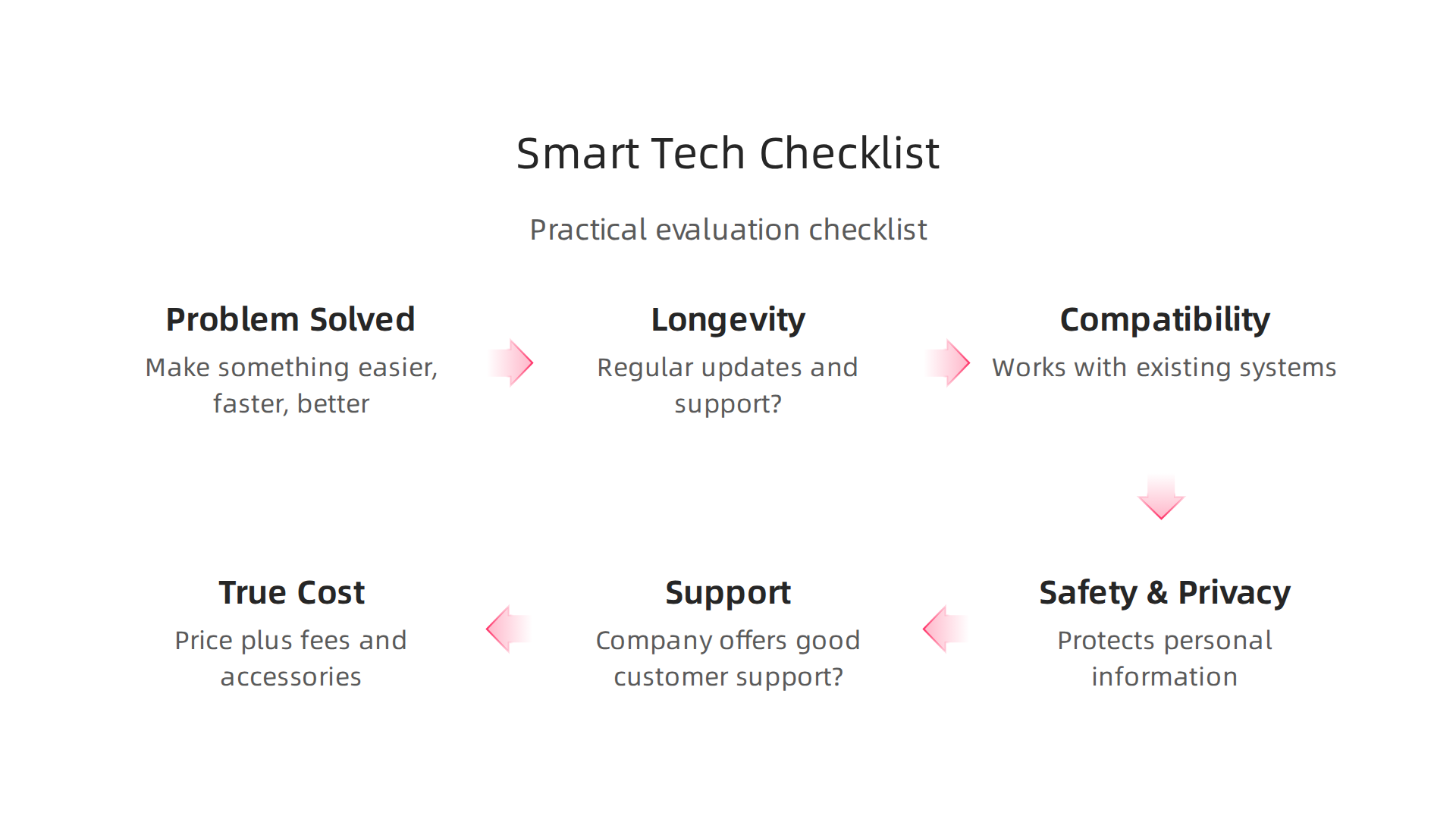
The Smart Tech Checklist
Before bringing any new information technology into your life, ask these questions:
- Does it solve a real problem? The first thing to think about is what you need. Is this new item going to make something easier, faster, or better for you? Or is it just a fancy toy that you might not use much? It is important to know your needs first, which is a key step in a good six-point framework for technology selection.
- Will it last? We want our tech to work for a while. Does the company that made it offer regular updates and support? Will it become old very quickly? Looking into the future use of a product helps you avoid a quick "technology trigger" purchase that you might regret.
- Does it work with what you already have? Many of us have a mix of devices. A new smart gadget should play nicely with your current phone, computer, or other smart home items. This is called interoperability, and it means everything works together without headaches.
- Is it safe and private? Building on what we talked about before, how well does this new tech protect your personal information? Look for clear answers and make sure the company has a good track record. If it is still considered beta technologies, meaning it is very new and still being tested, be extra careful about your data. A strong Technology Assessment Framework: The Complete Guide always includes security checks.
- Can you get help if needed? No one wants to be stuck when their new tech stops working. Check if the company offers good customer support. Are there easy ways to get answers to your questions or fix problems?
- What is the true cost? The price tag is just the start. Think about other costs like monthly fees, special accessories, or even how much electricity it uses. Looking at the "total cost of ownership" gives you the full picture. You can compare prices and potential long-term value by checking out resources like 2026 tech shops and classifieds.
Picking Tech for Different Needs
How you pick tech might change based on what you need it for:
- For your home: When choosing smart home gadgets, focus on how well they connect to your home internet and other smart devices. You want them to be simple to use and make your daily life smoother.
- For work: If it is a tool for your job, reliability and strong customer support are very important. You need it to help you do your work better, not cause more problems.
- For yourself: For personal things like helping you be more productive, look for tools that truly save you time or help you organize. They should fit easily into your day. Focus on what truly helps, going beyond hype unbelievable new gadgets 2026.
By using this checklist, you can feel more sure about the choices you make. It helps you get the most benefit from new tech while keeping worries at bay.
After learning how to pick new technology wisely, the next big step is figuring out how to keep up with all the new things happening. New gadgets and software come out all the time in 2026, and it can feel like too much information to handle. This is called information overload, and it makes it hard to know what’s truly important.
To cut through the noise and stay smart about tech, we can use a few helpful tools and methods.

Staying current: tools, newsletters, signals, and watchlists that reduce overload
Being aware of new things doesn’t mean you have to read everything. Instead, you can choose smart ways to get just the right amount of information. This helps you avoid a "technology trigger" where you feel like you have to buy or try something new just because everyone is talking about it.
Here are some good ways to stay informed without getting overwhelmed:
- Curated Newsletters: Imagine someone else sifts through all the news and sends you only the most important parts. That’s what curated newsletters do. Many of these newsletters focus on special topics, like AI, smart devices, or personal tools. For example, some offer quick daily updates, while others provide a deeper look once a week. They help you stay on top of tech trends in 2026 without spending hours searching. You can find some of the best tech newsletters in 2026 for various interests.
- Topic-Specific Alerts and Watchlists: If you only care about certain kinds of tech, you can set up alerts. These are like little alarms that tell you when something new happens in your chosen area. You might use them for a certain company’s products or a new type of software. This way, you only get news that matters directly to you.
- RSS and Research Aggregators: These are special tools that gather news from many websites into one place. Think of them as your personal news hub. Instead of visiting 10 different tech blogs, you add them to your RSS reader, and all their new stories show up there. Popular options like Feedly and Inoreader can help you stay updated with tech news efficiently in 2026. They also help you filter out what you don’t need.
Filtering "Signal vs. Noise" and Setting Your Pace
The key to staying current is learning to separate the "signal" from the "noise." The signal is the truly useful information that helps you, while the noise is all the extra stuff that doesn’t really matter. To do this, you can:
- Pick a few trusted sources: Instead of following everyone, choose a handful of newsletters, websites, or experts you trust.
- Set aside time: Some people find it helpful to have a "newsletter hour" once a day or week. This means you only check your updates at a specific time, so it doesn’t interrupt your day. You might even find tools that can help you choose the best website summarizer for your workflow to quickly get the main points from long articles.
- Don’t chase every new thing: Not every new piece of information technology will change your life. Focus on what helps you with your goals.
By using these methods, you can manage the flow of new information and make sure you’re always getting the important updates about the world of technology.
Get clear daily AI updates from The Deep View Newsletter.
The AI Newsletter Worth Reading
Summary
This guide explains why defining