
Why HERE Technologies matters now: a concise primer
Think about how often you use your phone to find your way, order food, or check traffic. All these actions rely on knowing exactly where things are. This is where HERE Technologies steps in. HERE Technologies is a big name behind the scenes, providing the mapping, routing, and live location services that power many of the apps and devices we use every day. They build the digital maps and tools that help things move smoothly in our increasingly connected world.
In 2026, these advancements in location data are more important than ever. Here’s why:
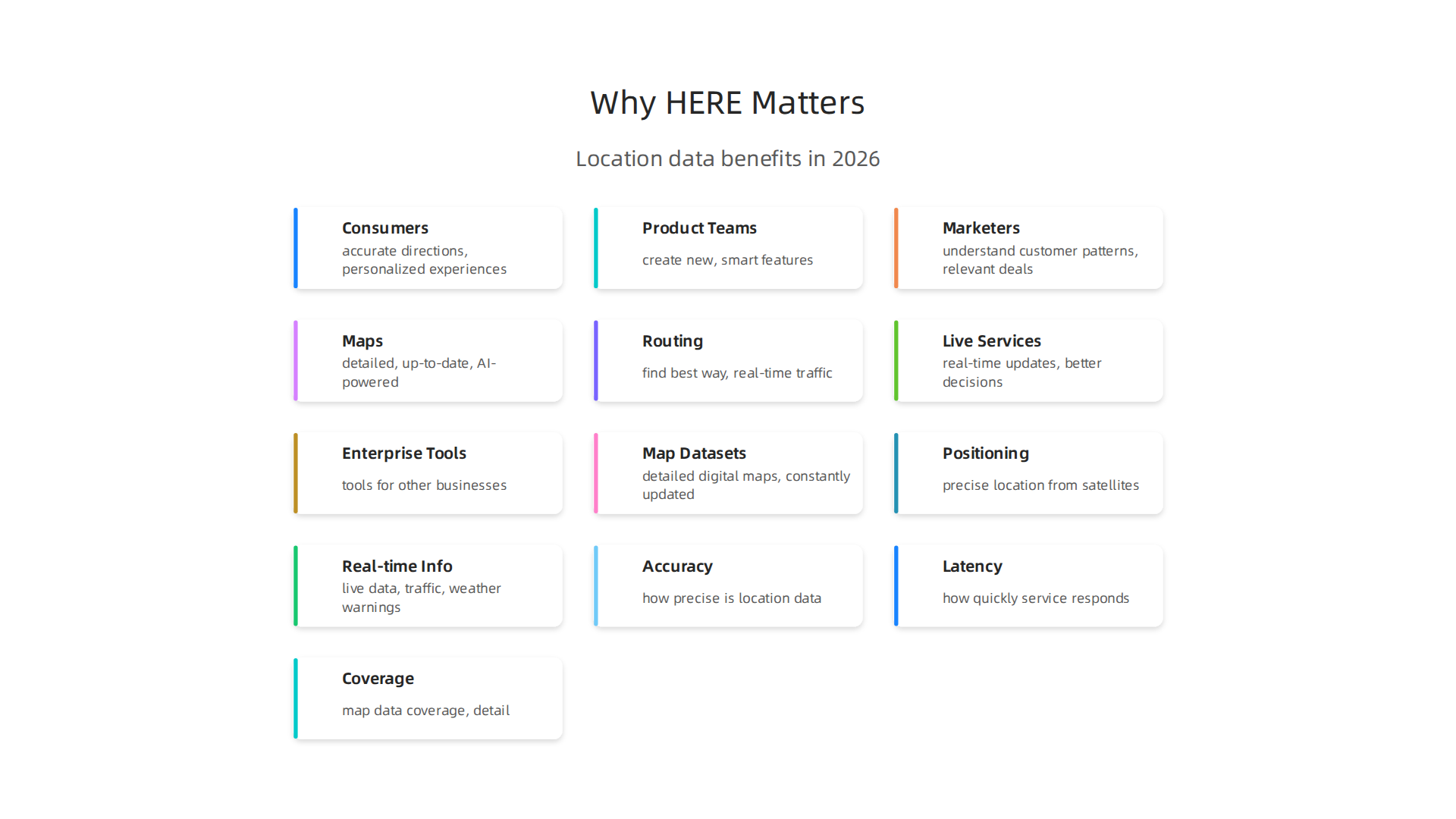
- For Consumers: Location technology means you get accurate directions, find nearby services quickly, and enjoy personalized experiences. Your ride-sharing app knows where to pick you up, and your delivery driver knows the best route. It makes daily life easier and more efficient.
- For Product Teams: Companies rely on detailed location data to create new, smart features. Imagine a smart city system that helps manage traffic flow or a service that shows you the closest available electric car charger. The robust technology background HERE provides allows innovators to build the next generation of useful tools.
- For Marketers: Businesses use location data to understand customer patterns and offer more relevant deals. If you’re near a coffee shop, an ad for a special offer might pop up. This makes marketing more helpful, not just noisy.
However, all this precise location information brings up big talks about privacy. In 2026, many states have new rules about keeping your personal location data safe. For instance, twenty states now have strong privacy laws in effect, with new ones starting this year in places like Indiana, Kentucky, and Rhode Island, which means businesses have to be very careful with your data 20 State Privacy Laws in Effect in 2026. The Supreme Court also made it clear that your phone’s location history is protected, like other private information Every phone leaves a trail — Supreme Court holds location data is protected by the Fourth Amendment. It is vital to secure your phone and find digital balance for mobile tech wellness as these technologies advance.
This focus on privacy means that companies providing location services, like HERE Technologies, must be top-notch not just in how they map the world, but also in how they protect user information.
Understanding how location technology shapes our world, and how AI helps power it, is key to staying informed. Get clear daily AI updates to dive deeper into these topics.
The AI Newsletter Worth Reading
What is HERE Technologies? Company background and core mission
So, what exactly is HERE Technologies, this big name in location data? At its heart, HERE Technologies is a company that builds and sells location data, mapping, and related services.

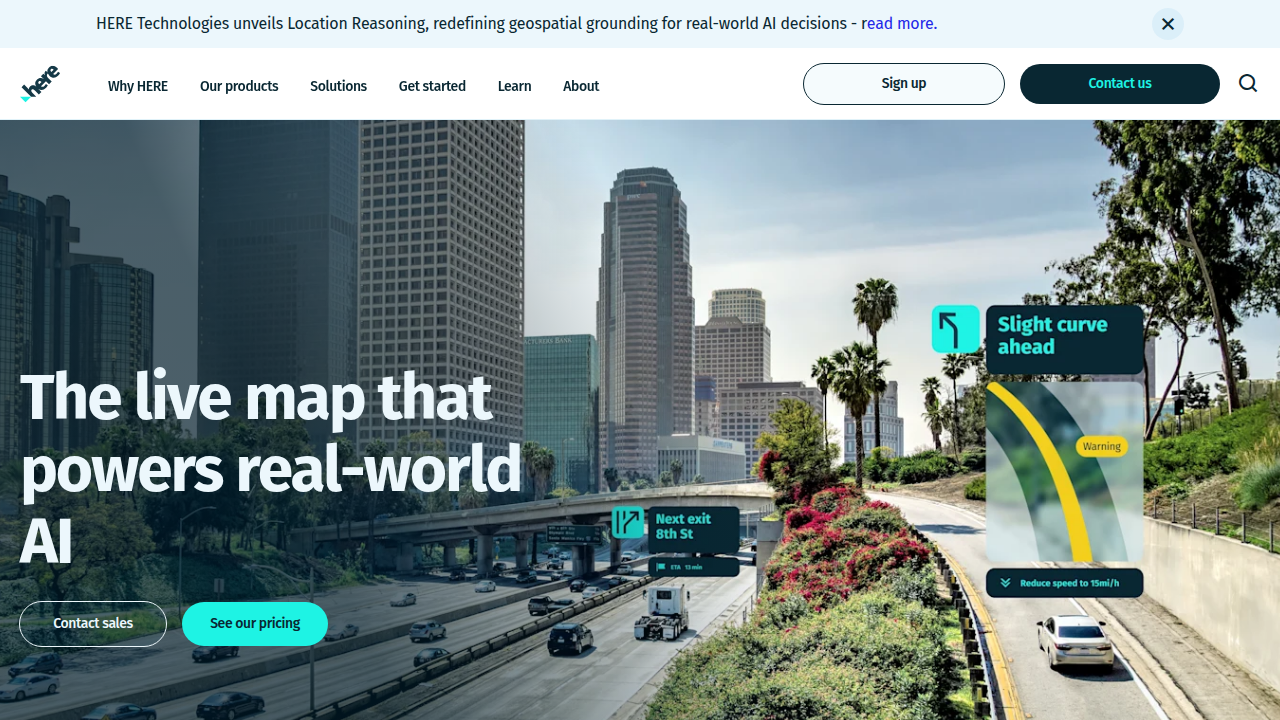
Think of them as the architects behind the digital maps and systems that help our world make sense of where things are. They provide the very foundation, or technology background, for many modern services.
HERE Technologies started out as a mapmaking company. Over time, it grew much bigger than just making static maps. It became a powerful location-data platform. This means they don’t just show you roads; they provide the smart data that helps computers understand the real world. In 2026, their focus is on using smart AI to make these services even better and more useful. They are seen as a leader in this area, having been named the top location platform by Omdia’s 2025 Location Platform Index and retaining that #1 ranking HERE Technologies retains #1 ranking.
The main things HERE Technologies focuses on are:

- Maps: They create very detailed and up-to-date maps. These are not just for looking at, but for computers to use. They even have AI-powered live maps that can change quickly as the world does. This is a core part of their definition of technology in action.
- Routing: This helps you find the best way to get from one place to another. It includes things like checking traffic in real time, finding the fastest route, or suggesting different ways to travel.
- Live Services: These are real-time updates that help you make better decisions. Think of live traffic information, weather conditions, or public transport schedules.
- Enterprise Tooling: This means they provide tools and services for other businesses to build their own cool location-based products. For example, car makers can use HERE’s tools to create advanced navigation systems for self-driving cars.
At CES 2026, HERE Technologies showed off new AI-powered systems for "software-defined vehicles." These are cars that can update their features and learn new things through software, much like your smartphone. The new products combine their live maps with advanced software to help with navigation and driver assistance HERE Technologies unveils AI-powered portfolio for software-defined vehicles. They even introduced customizable navigation tools that offer precise lane guidance and smart traffic signal data. It is clear that HERE Technologies is all about pushing the limits of what location data can do for us every day.
To understand how HERE Technologies brings those smart location services to life, we need to look at its "location stack." This is like a set of building blocks, or a deep technology background, that all work together. It starts with very basic information and adds more complex layers on top.
At its core, the HERE location stack has a few main parts:
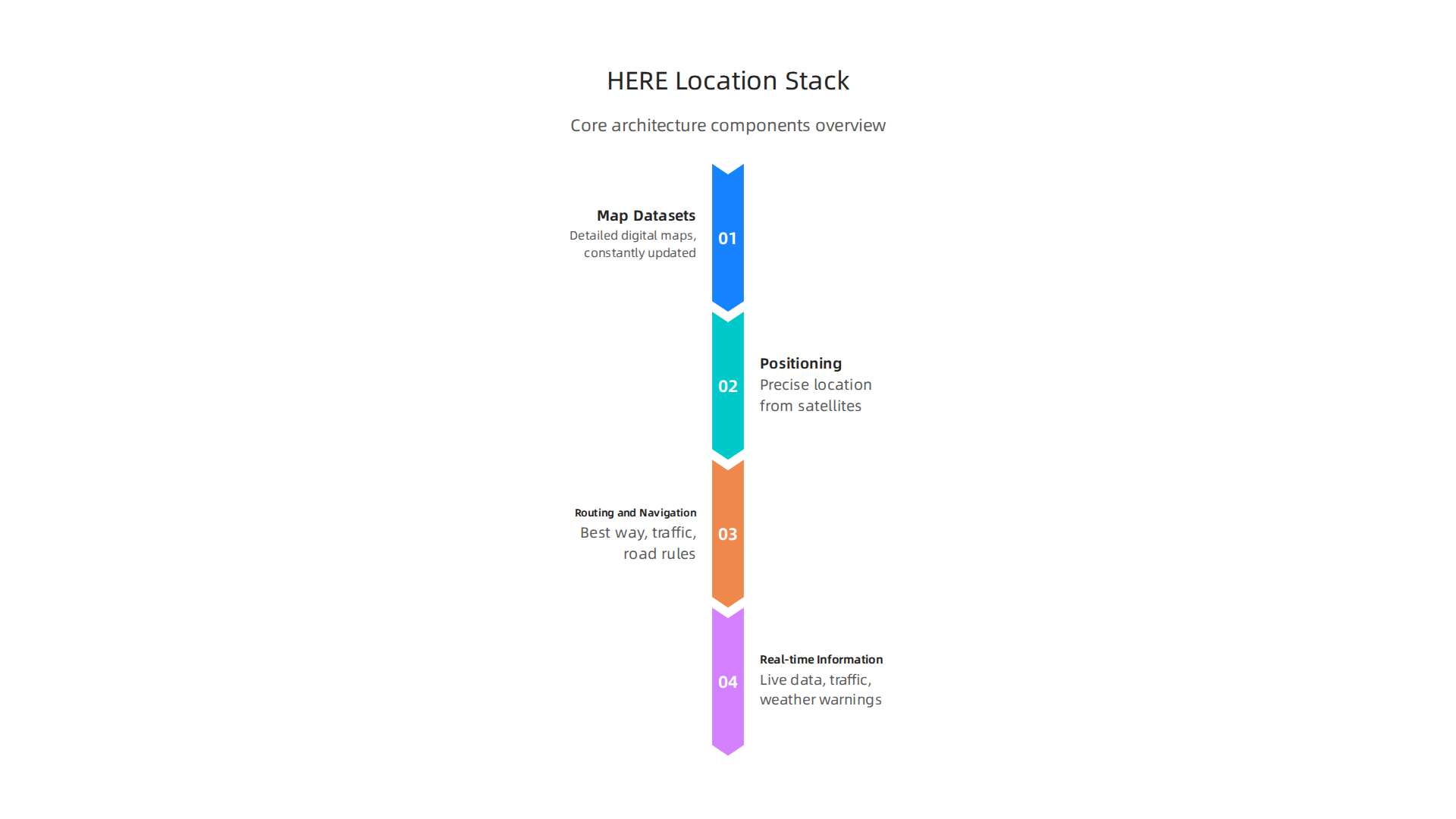
- Map Datasets: These are the foundational maps themselves. But they’re not just flat pictures. HERE Technologies creates very detailed digital maps that computers can understand. These maps are constantly updated, even with AI working to keep them fresh and accurate in real-time. Think of every road, building, and landmark being mapped precisely.
- Positioning: This part helps things know exactly where they are. It uses signals from satellites (like GPS), Wi-Fi, and other sources to figure out a precise location, whether it’s your phone or a self-driving car.
- Routing and Navigation: Once you know where you are and where you want to go, the routing part figures out the best way to get there. It looks at traffic, road rules, and even what kind of vehicle you’re using (car, truck, bike). This is much more than just finding the shortest path; it’s about finding the smartest and most efficient one.
- Real-time Information: This layer adds live data on top of everything else. It includes things like current traffic jams, weather warnings, road closures, and public transit delays. This dynamic information makes the location services truly smart and helpful in 2026.
Tools for Developers: Building with HERE
HERE Technologies doesn’t just make these amazing location services for its own products. It also provides tools so other companies and developers can use them to build their own unique apps and services. This is a key part of their definition of technology because it lets many different ideas grow.
They offer what are called SDKs (Software Development Kits) and APIs (Application Programming Interfaces). Think of these as special toolkits and instruction manuals that let other software "talk" to HERE’s powerful location stack.
- SDKs (Software Development Kits): These are like complete building sets for specific platforms, such as mobile apps (for phones and tablets) or web applications. They make it easy for developers to add maps, routing, and other location features into their own apps without having to build everything from scratch.
- APIs (Application Programming Interfaces): These are like direct lines of communication. A developer can send a simple request to HERE’s system (like "What’s the best route from A to B?") and get an answer back very quickly. This allows for deep integration into all kinds of software, from logistics programs to city planning tools.
These tools are flexible and can be used for web, mobile, and even cloud-based applications. This means that a small startup in Korea tech or a huge car manufacturer can both tap into HERE’s advanced location data.
For developers, HERE Technologies often offers a free tier to get started, letting them experiment with the platform. After that, pricing is usually based on how much the services are used, often called a "pay-as-you-go" model. For instance, in 2026, many of their common plans include a free tier for up to 30,000 requests per month before charges apply
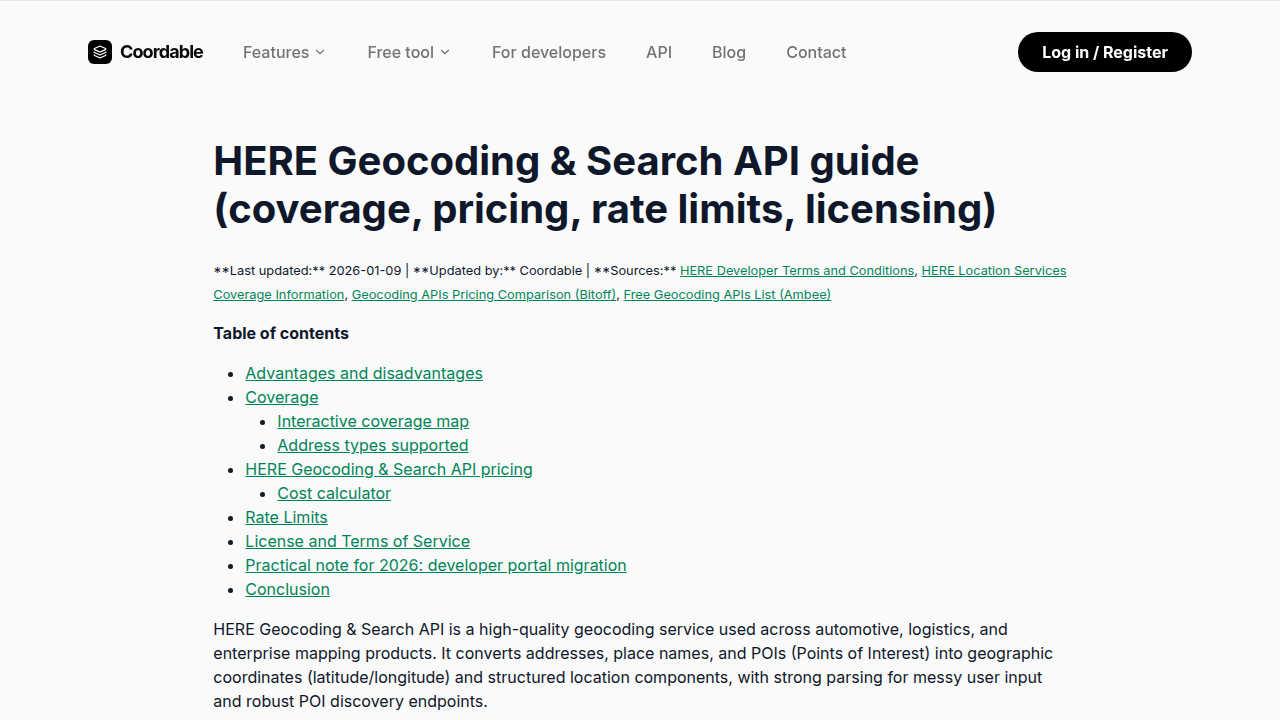
HERE Geocoding & Search API guide. This makes it easy for many businesses to start using here technologies for their innovative projects.
Staying updated on the latest in AI and tech like HERE’s advancements can be tough. Get clear daily insights right to your inbox.
The AI Newsletter Worth Reading
HERE Technologies offers a rich set of products and features, going beyond basic maps to provide intelligent location services. For product teams, understanding these specific offerings is key to building successful applications. These features are essentially the practical side of the location stack we just talked about.
Key Products and Features
- Map Tiles: Think of these as the actual pieces of the digital map you see on your screen. HERE Technologies provides high-quality map tiles that are regularly updated. These aren’t just pretty pictures; they contain deep data that allows for interactive experiences. Product teams use these to show detailed geographical information in their apps, from basic road maps to highly specific indoor maps.
- Routing Engines: This is more than just finding the shortest path. HERE’s routing engines are very smart. They can figure out the best routes for different needs, like cars, electric vehicles (EVs), trucks with specific size limits, bikes, or even walking paths. They consider real-time traffic, road closures, and specific vehicle rules. For example, a delivery service building an app would rely on accurate routing engines that can handle multiple stops and optimize for time or fuel.
- Live Traffic: This feature provides up-to-the-minute information about traffic conditions. It helps apps avoid jams and suggest faster routes on the fly. This real-time intelligence is crucial for navigation apps, ride-sharing services, and any product where timing is important.
- Fleet Telematics: For businesses that manage many vehicles, like logistics companies, fleet telematics is vital. This feature helps track vehicles, manage deliveries, and make sure drivers are on schedule. It can also monitor driver behavior and vehicle health.
- Geocoding: This service translates addresses into exact map coordinates (like latitude and longitude) and vice versa. So, if you type "123 Main Street," geocoding finds that spot on the map. If you click on a map, it can tell you the address of that spot. This is super important for search functions, address validation, and precise location tagging in any application using HERE Technologies.
What Matters for Product Teams: Requirements and KPIs
When product teams choose location services, they look closely at certain things to make sure their apps work well.

These are often called Key Performance Indicators, or KPIs.
- Accuracy: How precise is the location data? For things like self-driving cars or even simply knowing which lane to be in, accuracy at the lane level is critical. At CES 2026, HERE Technologies unveiled an AI-powered portfolio for software-defined vehicles which includes very precise lane-level guidance. A highly accurate map means fewer mistakes and a better user experience.
- Latency: How quickly does the service respond? In real-time situations, like traffic updates or tracking a moving vehicle, quick responses are essential. Low latency means faster updates and a smoother, more reliable experience for users.
- Coverage: How much of the world does the map data cover, and how detailed is it for different areas? A global business needs broad coverage, while local services need deep detail for their specific region. HERE Technologies has a strong reputation here, having retained its No. 1 ranking in Omdia’s 2025 Location Platform Index, showing its wide reach and quality across different geographical markets, including growing ones where mobile tech wellness is a key concern.
These factors help product teams make smart choices when building applications that rely on the robust technology background that HERE provides.
Now let’s look at how here technologies are used in the real world. Many different kinds of businesses use these services to make their products better. From cars that drive themselves to knowing exactly where your package is, HERE Technologies helps many daily activities work smoothly. This shows the real power behind the technology background of location services.
Real-world use cases: automotive, logistics, retail, and AR
HERE Technologies is a big part of how things move around us every day. Its location services are used in many important areas, helping cars, trucks, and even shopping experiences work better.
Automotive: Driving Smarter and Safer
In the world of cars, HERE Technologies does more than just give you directions. It’s built into many different parts of the automotive industry:
- Car Navigation: Regular car navigation systems use HERE maps and routing to help drivers find their way. This includes showing the fastest routes and avoiding traffic, helping you get to where you need to go.
- Advanced Driver-Assistance Systems (ADAS): These are the smart features in newer cars that help drivers stay safe. Think about features that warn you if you’re drifting out of your lane or help with parking. HERE’s detailed maps provide the very accurate information these systems need. For example, at CES 2026, HERE Technologies showed new ways that AI-powered location tech can help connected cars be even smarter and safer on the road CES 2026: HERE Technologies’ vision for connected vehicles.
- Self-Driving Cars: For cars that can drive themselves, super precise maps are a must-have. HERE provides these maps, which are like the eyes and brains for self-driving cars, helping them understand the road and everything around them.
- Fleet Management: For companies with many vehicles, like car rental services or taxis, managing them all is a big job. HERE solutions help these companies track their cars, make sure they are used well, and even keep them in good shape.
Logistics: Making Deliveries Smooth
Logistics is all about getting things from one place to another, whether it’s a big cargo ship or a small delivery van.

HERE Technologies helps make this process much easier and more effective:
- Route Optimization: Imagine a delivery truck that needs to make 100 stops. HERE’s tools can find the best order for those stops, saving time and fuel. This is called route optimization. The company offers special tools that help logistics companies plan better, even for electric vehicles (EVs) HERE Tour Planning upgrade introduces mixed fleet optimization for EVs and use of AI predictive intelligence for better planning and compliance.
- Real-time Tracking: Customers love to know where their package is. HERE allows companies to track vehicles in real-time, giving accurate estimates of when something will arrive.
- Last-Mile Delivery: This is the trickiest part of delivery, getting a package from the main hub to your exact door. HERE’s precision mapping can help drivers find specific loading bays or even the right entrance to a big building Here Technologies building precision AI mapping tools for fleets down to the last meter. Big companies like Siemens Digital Logistics use HERE services to improve how reliable their deliveries are and to make their work smoother How Siemens Digital Logistics improves transportation visibility with HERE.
Retail and Augmented Reality (AR)
While not as common as automotive or logistics, HERE’s technology also helps in retail and with augmented reality (AR):
- Improved Shopping Experiences: Imagine an app that can show you where a specific item is inside a large store, or guide you to the closest parking spot. This kind of precise indoor and outdoor mapping helps shoppers.
- Augmented Reality (AR): AR mixes digital information with the real world, like seeing virtual arrows on your phone screen that guide you down a street. HERE’s accurate location data is the foundation for such experiences, making sure the digital overlays match the real world perfectly. This shows how HERE is redefining location solutions for real-world AI decisions HERE Technologies unveils Location Reasoning, redefining.
These examples highlight the wide range of practical uses for HERE Technologies’ advanced location services. The clever use of AI and deep map data is constantly bringing new ways for these services to help us every day. For those interested in how AI is changing the tech world, there’s a great resource to keep you informed.
Get clear daily AI updates from The AI Newsletter Worth Reading.
While HERE Technologies offers many useful ways to use location data, it also brings up big questions about privacy.
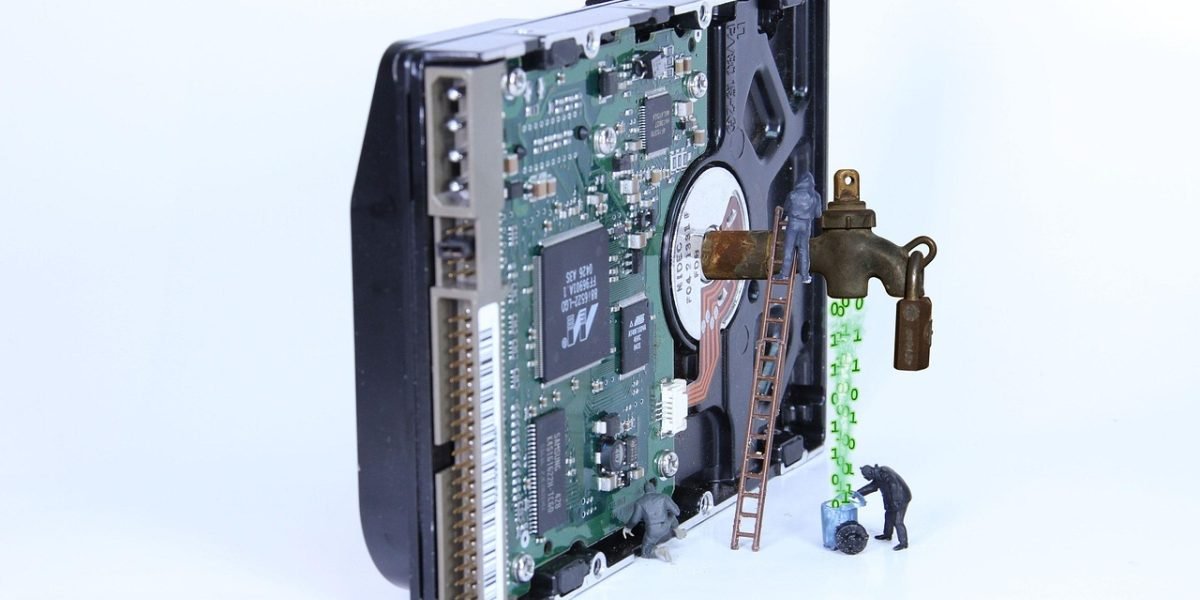
When a company knows where you are or where you’ve been, it’s very important to keep that information safe and use it fairly. Both consumers and the teams that work with this technology need to pay close attention to new rules and how data is handled.
Key Privacy Concerns with Location Data
Location data is very personal. It can show where you live, work, and even your habits. Because of this, some main privacy worries come up:
- Consent: This simply means getting your permission. Companies should always clearly ask if they can collect your location data. You should know what data is being taken and exactly how it will be used. Without your clear "yes," they shouldn’t take it.
- Anonymization: This is when companies try to hide who you are in the data. They remove names or other direct ways to point to you. The goal is to make the data useful for things like traffic patterns without anyone knowing it was your car.
- Re-identification Risk: Even with anonymization, there’s a risk that someone might still be able to figure out who you are. This happens by putting together different pieces of information, even if your name isn’t directly attached to the location data. This risk means companies must be extra careful with how they store and share information.
New Rules and Laws for Location Data
Because of these worries, many new rules and laws are being made. These rules help make sure that companies handle your information with care. In 2026, we’ve seen a lot of activity around privacy laws. For example, twenty states in the U.S. now have these kinds of important privacy laws in effect, with new ones starting this year in places like Indiana, Kentucky, and Rhode Island

20 State Privacy Laws in Effect in 2026.
Some states are even banning the sale of very exact location data. Virginia, for instance, passed a law that stops the sale of geolocation data Virginia Bans Sale of Geolocation Data. Oregon also put a stop to selling precise location data, which means data that can pinpoint you very closely, down to about 1,750 feet The State of Location Data in Ad Tech 2026: Privacy …. Connecticut also made similar changes, stopping the sale of very precise location data Privacy Laws Ring in the New Year: State Requirements ….
Even the highest court in the U.S. has weighed in. The U.S. Supreme Court said that when law enforcement looks at your past cell phone location information from a provider, it counts as a "search," meaning it’s protected by basic rights Every phone leaves a trail — Supreme Court holds location data is protected by the Fourth Amendment. This shows how important location data privacy has become across the country.
For consumers, it’s wise to always check your app settings. You can often choose to turn off location services for apps that don’t truly need them, or only allow them while you’re using the app. Learning how to manage your device’s settings can help you keep your information private and secure Master Your Samsung Notification and Tracking Settings for Enhanced Privacy. Businesses using location data must keep up with these changing laws to make sure they are always following the rules. This includes rules about where data can be stored, which is called data residency.
When companies decide to use location technology, like what HERE Technologies offers, they need to think about how much it costs and how it will work with their current systems. Understanding pricing and looking at different choices is a big part of making a smart decision.
How Location Platforms Charge for Services
Most location platforms, including HERE Technologies, use a "pay-as-you-go" system. This means you pay for each small action, often called a "transaction" or "request," that your app or service makes. For example, if your app asks for a map, a driving route, or to find a specific address, each of those counts as a transaction.
HERE Technologies generally provides a free amount of service each month, like around 30,000 requests for common plans. After you use up the free amount, the price per request usually goes down as you use more HERE Geocoding & Search API guide. It’s like buying in bulk. However, it’s good to know that prices can change. For example, some HERE Location Services saw a 6% price increase starting in April 2026 HERE price increase by 6% in 2026.
For larger businesses, HERE offers different plans beyond the basic pay-as-you-go, including a "Pro" plan for mid-sized users and custom deals for very big companies. These plans might include more transactions or special features Mapbox vs HERE Maps: Developer Mapping Compared (2026).
What to Budget For
When planning your budget for location technology, you need to think about more than just the basic map requests. You also need to consider costs for storing data or moving large amounts of information, known as "Data IO" HERE Technologies pricing. The total cost can be hard to predict, especially if your app or service grows very quickly, as more use often means more transactions. This can lead to costs that are not always easy to see coming HERE Technologies API Platform Licensing.
Looking at Other Options and How to Integrate
While HERE Technologies is known as a strong leader in location platforms HERE Emerges as Leader & Pacesetter in Location Platform, it’s smart for companies to also look at other options. Sometimes, another vendor might offer features that fit a specific need better, or their pricing might be simpler for a certain type of use. There are many alternatives to HERE Technologies in 2026, and it’s wise to compare them to find the best fit for your project
Best Alternatives to HERE Technologies in 2026.
When choosing a platform, think about how easily it can connect with your existing apps and services. This is called "integration." Most of these technologies use something called APIs (Application Programming Interfaces) to talk to each other. Understanding how to use these APIs is key for any technology background or new definition of technology. For instance, HERE Technologies works with many partners to offer solutions for things like managing truck fleets and making sure deliveries arrive on time Professional Navigation | Fleet Operations | Solutions | HERE.
Staying informed about the newest developments in AI and technology can help you make the best choices for your business.
Get clear daily AI updates from The AI Newsletter Worth Reading.
Summary
This primer explains why HERE Technologies matters in 2026 by laying out what the company does, how its location stack works, and why that matters for consumers, product teams, and marketers. The article walks through core capabilities — detailed map datasets, precise positioning, routing engines, and real-time services — and explains the developer tools (SDKs and APIs) that let companies build location-aware apps. It covers concrete product features like map tiles, live traffic, geocoding, and fleet telematics, and shows real-world uses in automotive, logistics, retail, and AR. The piece also addresses practical concerns: the KPIs teams should measure (accuracy, latency, coverage), pricing basics including free tiers and pay-as-you-go billing, and rising privacy and legal constraints around location data. After reading, you’ll understand how HERE’s technology powers modern services, what to budget for, and how to evaluate privacy and integration trade-offs when choosing a location platform.