

Why Legitimacy Matters for Tech Deals on Digital Marketplaces
Finding a great deal on the latest tech can be exciting. Maybe you are looking for an amazing price on a new phone, like during iphone black friday deals, or even something simpler like a new smart device. Digital marketplaces, where many sellers offer products, seem like a good place to find these deals. But a big question often comes up: Can you really trust what you are buying from these sites? This is especially true for platforms like DHgate. Many people wonder, "Is DHgate legit?" when they see prices that seem too good to be true.

The truth is, buying tech from online marketplaces has big upsides and downsides. On one hand, you can save a lot of money. On the other hand, there are risks. You might end up with products that are fake, also known as counterfeits. These fakes often do not work as well, or they might break very quickly. Even worse, they might not have any warranty, meaning if something goes wrong, you are on your own. It’s a bit like comparing a known, trusted store, maybe even a samsung experience store, to a small shop you have never heard of.
For tech products, there are even more things to think about. Counterfeit items can sometimes have hidden dangers, especially if they are poorly made electronics. They might not meet safety standards. Also, think about your data. If you are buying a smart device or a phone, you want to be sure it is secure. A fake device might have problems that put your personal information at risk. It is important to know if the website and the sellers on it are following the rules that protect buyers. The government has even put out guides to help businesses sell internationally and keep customers safe on online marketplaces, as discussed in guidelines from the Federal Trade Commission.
So, when you see a low price, it is wise to pause and ask about legitimacy. You want to make sure your pursuit of cool trade tech does not lead to disappointment or security issues. Learning how to check if a digital marketplace is truly legitimate can save you from many headaches.
Are you interested in staying up-to-date with all the new tech and AI trends in 2026?
Get clear daily AI updates from The AI Newsletter Worth Reading.
How to Define ‘Legitimacy’ for Online Marketplaces (Buyers vs. Product Teams)
Learning how to check if a digital marketplace is truly legitimate can save you from many headaches. So, what does "legitimate" really mean when we talk about places like DHgate or other online shops? It means different things for different people. For regular shoppers, it’s about trust and getting what you pay for. For the companies that run these marketplaces, or the businesses that sell on them, it’s about following rules and keeping things fair.
What Buyers Look For
When you are thinking, "Is DHgate legit?" from a buyer’s point of view, you are mostly concerned about your own purchase.
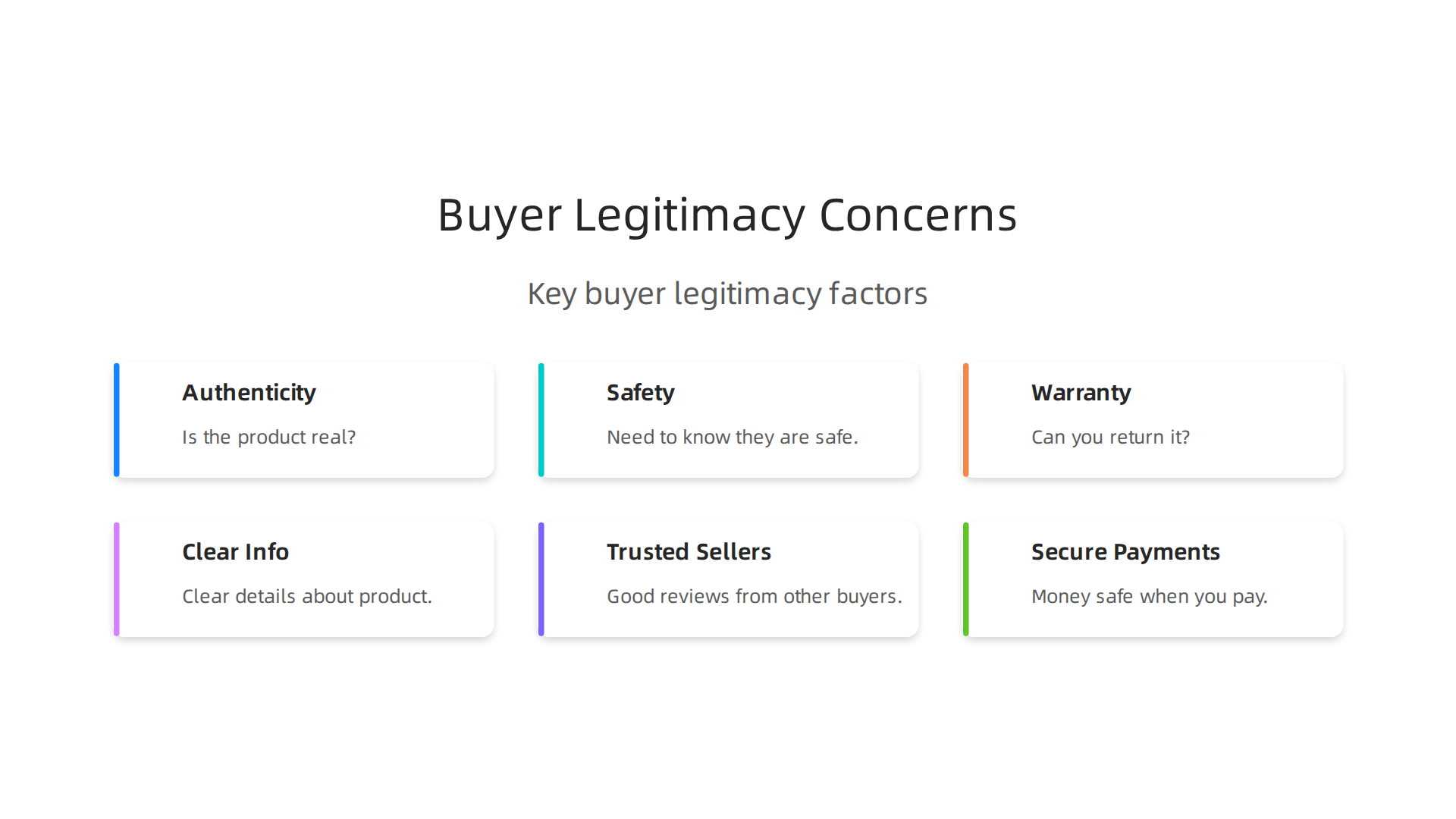
You want to know a few key things:
- Authenticity and Quality: Is the product real? Will it work well? You don’t want a fake item, especially with valuable trade tech.
- Safety: For electronics, you need to know they are safe and won’t cause problems.
- Warranty and Returns: If something goes wrong, can you return it? Will someone help you fix it or get your money back?
- Clear Information: You want clear details about the product, its price, and shipping costs.
- Trusted Sellers: Are the sellers honest? Do they have good reviews from other buyers? The Federal Trade Commission (FTC) gives advice on buying from an online marketplace, suggesting you always search online for more information about sellers and items before you buy.
- Secure Payments: Is your money safe when you pay? DHgate, for example, uses payment verification to make sure transactions are real and safe.
Simply put, for buyers, legitimacy means peace of mind. It means you can shop without worrying about scams or faulty products.
What Product Teams and Businesses Need
For product teams or companies that sell on or run online marketplaces, legitimacy has a deeper meaning.

They think about the big picture, like how the whole system works.
- Legal Rules: Marketplaces must follow many laws. For example, the INFORM Consumers Act, which became law in 2023, requires online marketplaces to check their high-volume sellers. This helps protect shoppers. You can learn more about Informing Businesses about the INFORM Consumers Act.
- Platform Policies: Beyond government laws, each marketplace has its own set of rules for sellers. These rules help keep things fair and honest for everyone.
- Seller Verification: Marketplaces need to make sure the sellers are real businesses. This often involves checking their business licenses and other details. For example, DHgate has a strong process to build a trustworthy marketplace through seller verification. This helps answer the question, "Is DHgate legit?" from a business angle.
- Fighting Fake Goods: Product teams work hard to stop fake products from being sold. This means having systems to find and remove listings for counterfeit items.
- Clear Dispute Solutions: There must be a clear way to solve problems between buyers and sellers if they come up. This builds trust for everyone using the platform.
So, for businesses, legitimacy is about building a strong, fair, and rule-abiding place for online shopping. It’s about setting up systems that make sure buyers get real products and sellers follow the law.
Even with all the checks and rules, buying tech from online marketplaces like DHgate still has some risks. It’s smart to know these risks so you can shop more safely.
Typical Problems When Buying Tech
When you ask, "Is DHgate legit?" for electronics and gadgets, you often worry about these common issues:
- Fake Parts and Products: One of the biggest worries is getting items with fake parts or entirely fake versions of popular brands. These might look real on the outside, but they often don’t work as well or last as long. In 2025, customs officials seized over 78 million fake items across the US, valued at about $7.3 billion if they were real, showing how big this problem is CBP Blocks Massive Shipment of Fraudulent Tech Goods. Across the EU, about half of the small electronics checked in 2024 did not meet product rules Online Brand Protection in 2026. This problem with fake goods is still a major issue in 2026, causing billions in losses worldwide Counterfeit Products; Statistics,Trends & Emerging Threats.
- Listings That Lie: Sometimes, what you see in the product pictures or read in the description isn’t what you get. Sellers might use photos of real items but send you something different and of lower quality. This can be very frustrating, especially for expensive items like phones or tablets.
- Bad Quality Copies: You might find what seems like a great deal on a new phone or smart watch, but it turns out to be a cheap copy. These "clones" might look like popular
trade techproducts, but they often have slow processors, poor cameras, or bad battery life. They are just not built to the same standards as genuine items you might find duringiphone black friday dealsor at asamsung experience store. - No Help After You Buy: If your new gadget breaks or doesn’t work right, getting help can be hard.

Many sellers on these marketplaces don’t offer good customer support or clear warranty options. This means you might be stuck with a broken item and no way to fix it or get your money back.
Real Dangers of Risky Purchases
The problems above can lead to bigger issues than just a wasted purchase:
- Safety Risks: Cheap electronics that don’t follow safety rules can be dangerous. They might overheat, catch fire, or even give you an electric shock. This is especially true for items like power banks, chargers, or smart devices that you plug in.
- Voided Warranties: If you buy a fake or modified tech product, the original company will not honor any warranty. This means if something goes wrong, you’re on your own for repairs or replacements.
- Data and Privacy Problems: Some fake devices or software might have hidden dangers. They could contain viruses or other programs that steal your personal information. It’s really important to keep your devices secure and understand the risks to your data. To protect yourself, learn how to secure your phone and find digital balance for mobile tech wellness.
When you are thinking, "Is DHgate legit?" for your next tech buy, remember these risks. Being aware helps you make smarter choices and protect your wallet, your safety, and your personal information.
Staying updated on the fast-changing world of technology, especially with AI advancements and new gadgets, can help you make better decisions.
Get clear daily AI updates from The AI Newsletter Worth Reading.
After learning about the risks of buying tech online, the good news is that you can protect yourself. Being careful and knowing what to look for can help you find reliable sellers and avoid problems. When you ask, "Is DHgate legit?" for a specific item or seller, there are clear steps you can take to check.
Here is a step-by-step guide to help you figure out if a DHgate seller is trustworthy before you buy.
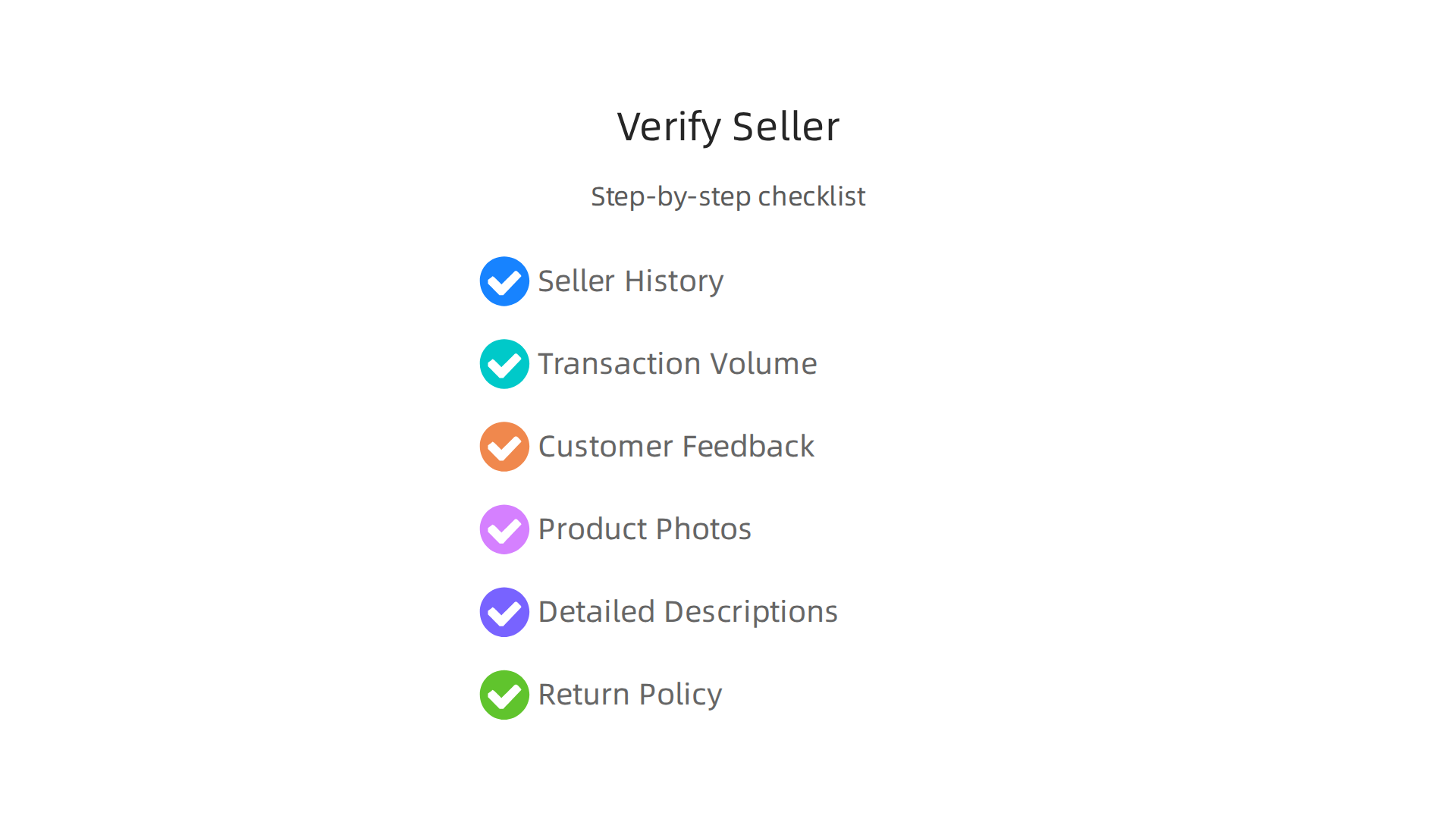
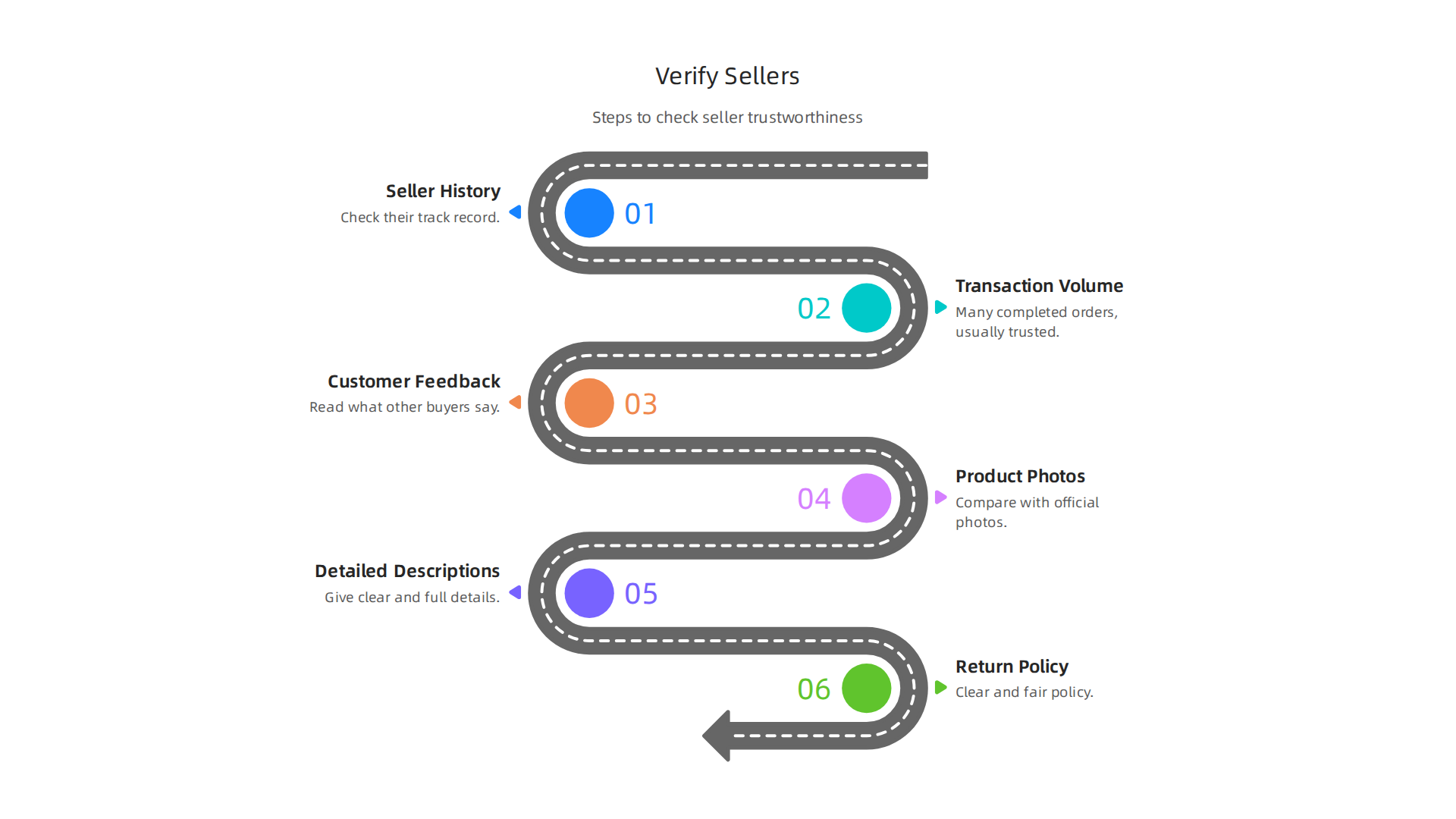
Check the Seller’s History and Reputation
A good seller will have a strong track record. This is one of the best ways to know if they are reliable.
- Seller Level and Badges: DHgate has a system to show how good a seller is. Look for badges or levels that show the seller has been checked and has a good history. DHgate does a full check of sellers, making sure they have business registration and follow the rules DHgate Seller Verification Process. These checks help prove a seller is real.
- Transaction Volume: How many sales has the seller made? A seller with many completed orders, especially over 1,000, usually means they are trusted. It shows they have a lot of happy customers

Insider Tips For Finding Authentic Brands And Trusted ….
- Store Age: How long has their store been open on DHgate? Older stores, especially those open for more than two years, have proven they can stick around and keep customers happy.
- Customer Feedback and Reviews: Always read what other buyers say. Look at the star ratings and read the comments. Do people talk about good quality, fast shipping, and helpful customer service? Or do they complain about fake items or problems getting help? This is especially important for popular
trade techitems or when looking for deals likeiphone black friday dealsor items from asamsung experience store.
Look Closely at the Product Listing
What the seller shows and writes about their products is very important.
- Product Photos: Compare the pictures the seller uses with official photos from the brand. Are they the same? Or do they look a little off, like a cheap copy? Sometimes sellers use real photos but send you something else.
- Detailed Descriptions: A trustworthy seller will give clear and full details about the product. They should list all the features, sizes, colors, and materials. If the description is short or unclear, be careful.
- Ask Questions: Don’t be shy to send the seller a message. Ask about the product, shipping times, or warranty. A good seller will answer quickly and clearly. This also lets you see how well they communicate.
Check Seller Policies and How to Contact Them
Before you click "buy," take a moment to understand the seller’s rules.
- Return Policy: What happens if the item is not what you expected or is broken? A good seller will have a clear and fair return policy. This shows they stand by their products.
- Contact Channels: Can you easily find a way to talk to the seller if you have a problem? Look for clear contact information. This is a sign of a professional seller. DHgate also has its own dispute process if things go wrong, but it’s better to solve issues directly with a responsive seller first.
By following these steps, you can make a smarter choice when shopping for electronics and gadgets. It helps make sure that when you ask "Is DHgate legit?", you can feel more confident about your answer. Knowing how to spot a good deal from a bad one can save you money and worry. To learn more about shopping for tech safely, you can also check out tips on how to find trusted deals and avoid scams.
To stay safe when buying gadgets online, also read our advice on how to find trusted deals and avoid scams.
After learning how to pick a good seller and check product details, the next big steps to keep your money safe are understanding payments, shipping, and how to get help if something goes wrong. This is key when you want to know if a marketplace like DHgate is legit.
Payments, shipping, and buyer-protection: minimizing financial risk
When you buy trade tech online, how you pay and what happens after you click "buy" can protect you a lot. Choosing the right payment method and knowing what to expect for shipping and returns are super important, especially for deals like iphone black friday deals or items you’d expect from a samsung experience store.
Pick Payment Methods with Strong Protection
Not all ways to pay are the same when it comes to keeping your money safe.
- Credit Cards: These often offer the best buyer protection. If you don’t get your item, or if it’s not as described, you can ask your credit card company to reverse the charge. This is called a chargeback. For valid claims, buyers have a good chance of getting their money back, with success rates often between 70-80% according to 2026 data Ultimate Guide to Disputing Online Purchases.
- Escrow Services: Some platforms or sellers might offer escrow. With escrow, your money isn’t sent directly to the seller. Instead, it’s held by a third party until you get your item and say it’s okay. This is a very safe option, especially for high-value purchases or when buying from a seller you don’t know well Escrow Payment Solutions: Complete Guide 2026.
- Third-Party Payment Processors: Services like PayPal also offer buyer protection programs. They can help you get a refund if there’s a problem with your order. Always check their specific buyer protection rules before you pay.
Try to avoid paying with direct bank transfers, money orders, or cryptocurrency unless you fully trust the seller. These methods usually have very little to no buyer protection.
Understand Shipping, Returns, and Resolving Problems
Even with a good seller, things can sometimes go wrong. Knowing the rules can help you when you ask "Is DHgate legit?" for your purchase.
- Shipping Expectations: Always check the estimated shipping time. Many items from global marketplaces take longer to arrive. Make sure there’s a tracking number so you can follow your package. If a seller doesn’t offer tracking, be wary.
- Clear Return Policies: Before buying, review the seller’s return policy. What if the item is broken or not what you ordered? A good seller will have clear steps on how to return an item and get your money back or a replacement. If the policy is unclear or seems unfair, it’s a red flag.
- Dispute Timelines: If you have a problem, act fast. Most platforms and credit card companies have time limits for opening disputes. For example, many credit card chargebacks have a "golden window" of about 120 days from the purchase date Online Shopping Fraud & Cross-Border Recovery.
- First, talk to the seller: Try to work things out with them directly.
- Then, use the platform’s dispute system: If the seller isn’t helping, open a dispute through DHgate’s system. They will often try to help both sides.
- Finally, consider a chargeback: If the platform can’t help, you can ask your credit card company for a chargeback. Remember to gather all your evidence, like order confirmations, chat logs, tracking info, and photos of the item.
By understanding these payment and protection steps, you add another layer of safety to your online shopping. This helps you confidently make smart tech choices.
Stay on top of how technology affects your daily life and professional workflows.
The AI Newsletter Worth Reading
Knowing how to protect your money is a big deal, and it’s even more important to spot the signs that tell you if something is real or fake. This is how you can truly answer the question, "Is DHgate legit?" We need to look at real examples to see what to look for.
The world of online shopping, especially for trade tech, sees a lot of fake items. In fact, more than 78 million fake items were stopped from coming into the US in 2025, with a value of over $7.3 billion if they had been real CBP Blocks Massive Shipment of Fraudulent Tech Goods. And in Europe, over half of 20,000 small electronics checked did not meet product rules in 2024

Online Brand Protection in 2026. That’s a lot of fake stuff!
Real-World Examples: What to Watch Out For
Here are some real signs that can help you know if a deal, like those exciting iphone black friday deals or something you’d find at a samsung experience store, is trustworthy.
-
Case Study 1: The "Too Good to Be True" Smartphone
- A buyer found a brand-new, top-model smartphone on a marketplace like DHgate for a price that was much, much lower than anywhere else. It was an amazing
trade techdeal. - The Signal: The price was far too low. No seller can sell a brand-new iPhone 17 Pro Max for the price of an older, used model. This is a classic red flag.
- The Outcome: The buyer got a phone that looked like the real thing but had old, slow parts inside. It wasn’t a genuine product.
- Lesson: If a deal seems too good to be true, it probably is. Always compare prices across different trusted stores.
If you’re looking for real value, sometimes sticking with slightly older but still excellent models can be smart, like checking out an iPhone 15 Pro Max price in USA buying guide.
- A buyer found a brand-new, top-model smartphone on a marketplace like DHgate for a price that was much, much lower than anywhere else. It was an amazing
-
Case Study 2: The Generic Smartwatch
- Someone bought a smartwatch that looked just like a popular brand’s watch but was sold by a seller with few reviews.
- The Signal: The packaging was plain, without the brand’s logo or proper seals. The user manual was poorly printed and had bad grammar.
- The Outcome: The watch didn’t work right and couldn’t connect to the official app. It was a fake.
- Lesson: Look closely at the packaging and instructions. Real brands put effort into these details.
Important Signals to Check
When you get an item, especially valuable trade tech, do these checks:
- Packaging Discrepancies: Does the box look exactly like official packaging? Are there typos, blurry pictures, or cheap materials? Official products always have high-quality packaging.
- Serial Number Checks: For electronics like phones or tablets, there’s a serial number. You can usually find this on the device itself and on the box. You can then go to the brand’s official website (like Apple or Samsung) and use their tool to check if the serial number is real and matches a genuine product. This is a key step to verify DHgate authenticity How to Verify DHgate Watch Authenticity. If it doesn’t match, or if it says "invalid," then the item is likely fake.
- Third-Party Authenticity Tools: Some brands use special tags or QR codes that you can scan with an app to check if the item is real. Always look for these and use them if they are available.
- Product Photos in Reviews: A great tip is to always check buyer reviews, especially for
iphone black friday dealsor other tech. Look for reviews that include actual photos from other buyers. This helps you see what the product really looks like when it arrives, not just the seller’s pictures. Many buyers share photos, which can give you a better idea of the true quality of items on platforms like DHgate HOW TO SHOP ON DHGATE | FINDING DESIGNER ITEMS. - Ask the Seller Directly: Don’t be afraid to ask the seller questions before you buy. For example, you can ask if the item comes with its original box and warranty. Honest sellers will give you straight answers Tips on how to prevent scams on DHgate.
By paying close attention to these signals, you can greatly improve your chances of getting real items and avoid common scams, whether you are wondering "is DHgate legit?" or shopping on other sites. You can also find more help on how to avoid scams with a general guide on 2026 tech shops and classifieds.
Moving from spotting fake items to smart buying means you need to use a checklist.

This helps you be proactive. Whether you are a regular shopper or part of a business team, knowing how to buy wisely is key, especially when asking "is DHgate legit?" or using similar marketplaces.
For Consumers: Your Smart Shopping Checklist
It’s helpful to think about how risky a purchase is. Not all items need the same level of checking.
-
Low-Risk Purchases (like phone cases, small accessories)
For items that don’t cost much or don’t carry a brand name, marketplaces like DHgate can be fine. The main goal here is to get a good price.- Check Seller Ratings: Look for sellers with high positive feedback, usually above 97%.
- Read Reviews with Photos: See what other buyers actually received.
- Start Small: If you’re unsure, buy just one item first to test the quality before ordering more. Learning How to Safely Source Products on DHGate and Avoid Scams involves these steps.
-
Medium-Risk Purchases (like earphones, smart home gadgets)
These items cost a bit more and you expect them to work well. You need to be more careful.- Deep Dive into Seller Details: Check detailed rating breakdowns, not just the overall score. Look for consistent high scores in "Product as Described" and "Communication" How to Buy from DHgate: Complete Step-by-Step Guide.
- Ask Questions: Use the seller chat to ask about warranties, original packaging, and product features. This helps you avoid scams on DHgate and other sites, as honest sellers will give clear answers Tips to Avoid DHgate Scams.
- Compare to Retail Prices: If the price is too low compared to official stores, it’s a big red flag.
-
High-Risk Purchases (like smartphones, specialized trade tech)
For expensive electronics like newtrade techor big purchases like thoseiphone black friday deals, or even a phone from asamsung experience store, you need to be very strict.- Official Channels are Best: Consider buying directly from the brand’s official store or an authorized dealer. This nearly guarantees authenticity.
- Extreme Caution on Marketplaces: If you decide to use a marketplace like DHgate for such items, use all the checks mentioned in the previous section. Serial number checks are a must. Also, look for sellers who provide clear product descriptions and responsive customer service, which are insider tips for finding trusted sellers on DHgate Insider Tips For Finding Authentic Brands And Trusted Sellers on DHgate.
- Question Legitimacy: Always ask yourself, "Is this deal truly real?" You can explore similar questions when asking is G2A legit in 2026 for digital items too. Your Samsung IMEI check can save you from a stolen phone if you’re worried about a specific device.
For Product Teams: Sourcing Components Wisely
Businesses that buy components for their products have an even greater responsibility. Fake parts can lead to unsafe products or big financial losses. Global trade in fake goods reached an estimated $467 billion in 2021, posing big risks Global trade in fake goods reached USD 467 billion. In 2026, dealing with counterfeit products is still a major challenge Counterfeit Products; Statistics,Trends & Emerging Threats.
- Verify Suppliers: Always make sure your suppliers are authorized and have a good track record. Do not buy critical
trade techparts from unknown sources. - Strong Contracts: Create detailed contracts that demand authenticity and include strong quality control clauses. This protects your business.
- Incoming Inspections: Set up checks for all incoming parts. Look for things that don’t seem right, like odd packaging or very low prices. These can be "warning flags" for fake materials Counterfeit Materials Prevention.
- Escalation Plan: Have a clear plan for what to do if you find fake components. This includes how to report them, return them, and quickly get real replacements.
Staying informed about the latest in technology and market trends can also give you an edge in making smart purchasing decisions, whether you’re a consumer or a product team.
Stay ahead with clear daily AI updates. Get The AI Newsletter Worth Reading.
Summary
This article explains why verifying legitimacy matters when buying tech on digital marketplaces like DHgate, and it shows both consumer and business perspectives. It covers the main risks — fake products, safety hazards, voided warranties, and data privacy issues — and why those risks remain large in 2026. The piece defines what legitimacy looks like for buyers (authenticity, clear returns, trusted sellers, secure payments) and for product teams (seller verification, policy compliance, anti-counterfeit measures). You’ll get a practical, step-by-step checklist: how to read seller history and reviews, inspect listings and packaging, check serial numbers, and test payment and shipping protections. The article also explains dispute options (contact seller, platform dispute, chargeback) and recommends payment choices like credit cards or escrow. Real-world case studies illustrate common scams and concrete red flags to avoid. After reading, you’ll know how to reduce risk, spot suspicious listings, and make smarter tech purchases on marketplaces.