
It’s 2026, and our phones are more important than ever for work, play, and staying in touch. That’s why picking the right case for your iPhone 13 mini is a big deal.
You might think all phone cases are the same, but they’re really not. The stuff they’re made of, how they’re designed, and if the brand truly tests them all make a huge difference.
Think about it: your phone gets dropped, bumped, and carried everywhere. A good iPhone 13 mini case needs to keep it safe. But it also needs to feel good in your hand, not slip, and last a long time. These things depend a lot on the materials used and how carefully the case was made.
The Science Behind Case Materials
Materials like TPU, PC, and silicone are common for phone cases.
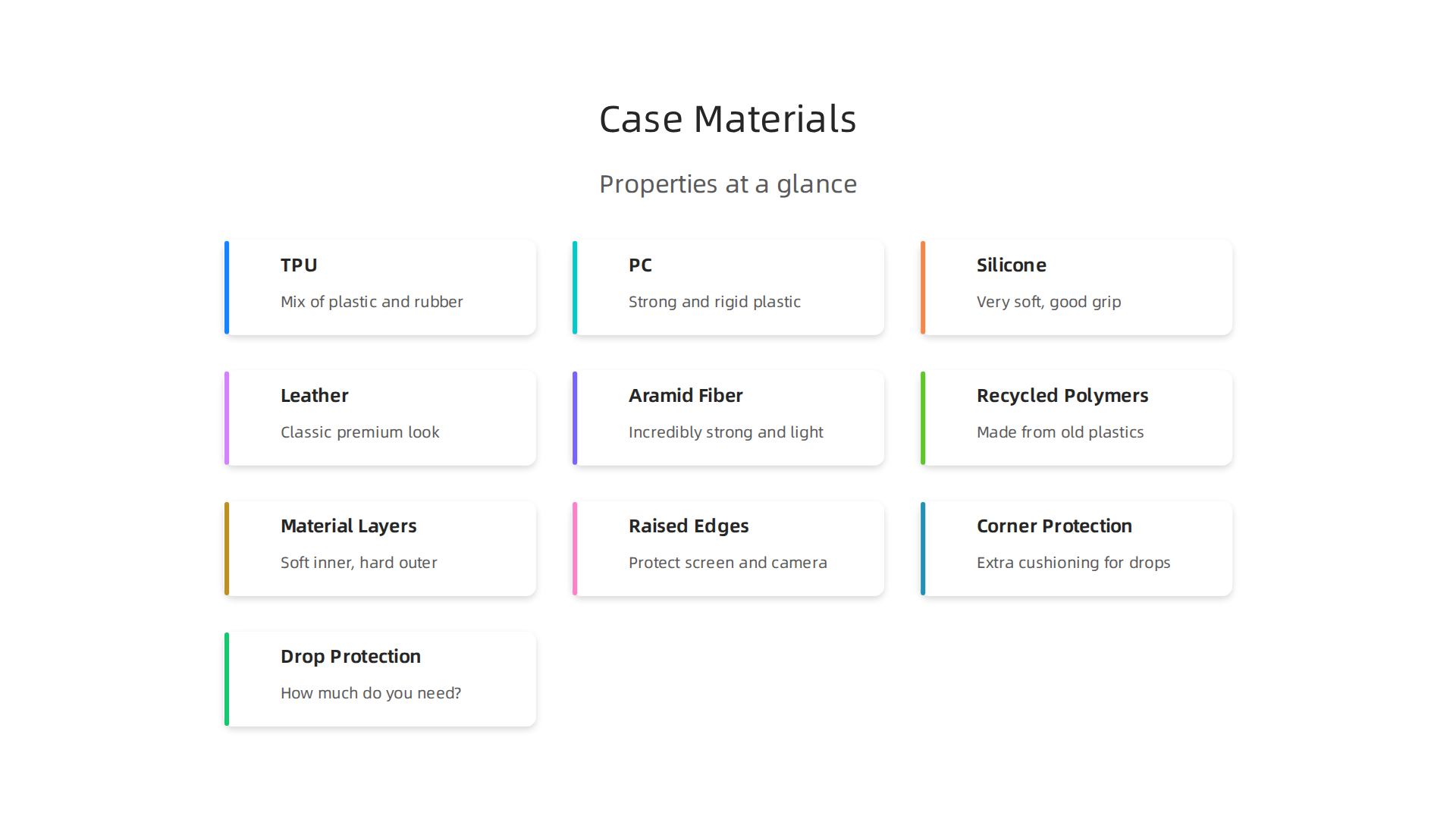
- TPU (Thermoplastic Polyurethane) is a popular choice because it’s like a mix of plastic and rubber. It’s flexible enough to put on and take off easily, but also strong enough to absorb shocks when you drop your phone. High-quality TPU can soak up a lot of the hit energy, keeping your phone safer. For example, TPU with a Shore hardness of 85A-95A is often seen as the sweet spot for phone cases, balancing flexibility with support [source: The Science Behind Drop-Proof Phone Cases].
- PC (Polycarbonate) is a very strong and rigid plastic. You’ll often find it in clear cases or ones that are very hard. It’s great for resisting big impacts and keeping a slim shape. Some cases even mix PC and TPU to get the best of both worlds, offering both stiffness and shock absorption [source: What Material Is Best for a Phone Case? A Practical Guide].
- Silicone cases feel very soft, but they might not protect as much from hard drops. They’re often on the softer side of the material hardness scale, around 50A-60A on the Shore hardness scale [source: Phone Case Material Guide 2026].
Different materials have different levels of hardness and how much they can stretch or bounce back. For instance, TPU can stretch a lot before breaking, making it good for absorbing impacts [source: Phone Case – Materials: Unveiling the – Unsung Heroes]. Understanding these differences helps you choose a case that really works for your needs. If you are looking for a clear case specifically, you might want to learn more about finding the Best clear phone case iphone 13 for drop protection and clarity.

Why Design and Brand Testing Matter
It’s not just about the material; it’s also about the design. A well-designed iPhone 13 mini case fits snugly, has raised edges to protect the screen and camera, and has precise cutouts for buttons and ports. Good brands spend a lot of time making sure their cases fit perfectly and offer real protection.
You might see words like "military-grade" or "shockproof" on case boxes. But actually, these terms are not always checked by a strict rule book. True protection comes from how a material performs in real tests, not just fancy words [source: What Redmi Note 14 Phone Cover Fits My Model? (4G vs 5G Explained)]. Reputable brands test their cases against drops and impacts to prove they work. This is true whether you’re looking for an iPhone 13 mini case, a rugged otterbox iphone 16 case, or a tough phone case iphone 15 pro max. Cases for older models like the iphone 12 case also benefit from good design and testing.
In this guide, we’ll help you understand the pros and cons of different materials, look at what evidence shows about how well cases protect, and help you find the best brands. Our goal is to give you a simple way to choose the perfect iPhone 13 mini case that keeps your phone safe, works well for you, and even lasts longer.
Stay informed about the latest tech trends and insights.
Get clear daily AI updates from The AI Newsletter Worth Reading.

We’ve talked about how important materials like TPU, PC, and silicone are for your iPhone 13 mini case. Now, let’s look closer at what makes these materials special and explore a few others you might find. Understanding their hidden strengths will help you pick a case that truly protects your phone.
A Closer Look at TPU
TPU, or Thermoplastic Polyurethane, is still a top choice for good reasons. It’s not too hard and not too soft. Its "Shore hardness" often falls between 85A and 95A, which is perfect for phone cases. This means it’s flexible enough to bend and absorb shock but strong enough to keep its shape. For example, a Shore hardness of 90A is great for grip and soaking up impact energy when your phone drops [source: Best Filament for Phone Cases: TPU Shore Hardness and Grip]. TPU also has good "tensile strength," meaning it can be pulled quite hard before it breaks, and it can stretch a lot too, sometimes over 300% [source: Phone Case Materials & Protection Ratings Guide: TPU …]. Most TPU cases are made through a process called injection molding, where the melted material is pushed into a mold to create the case shape.
Diving Deeper into Polycarbonate (PC)
Polycarbonate (PC) is known for being super tough and rigid. It’s often used for the hard, clear backs of cases. PC has very high impact strength, which means it can take a big hit without breaking, and it does a great job of reducing how much force reaches your phone when it falls [source: Is Polycarbonate Good for Phone Cases? Pros, Cons & …]. This material is also usually made by injection molding. Because it’s so strong, PC is a key player in many cases that promise serious protection for your iPhone 13 mini.
Silicone’s Soft Touch
Silicone cases feel soft and offer good grip. However, while they feel nice, they might not offer as much protection from hard drops as TPU or PC. Studies show that silicone cases often perform worse in drop tests compared to TPU or hard cases [source: TPU Phone Case vs Silicone vs Hard Case Which Should You …]. They are often made using liquid injection molding, which helps create that smooth, soft finish.
The Power of Hybrid Cases
Many of the best iPhone cases today combine materials to get the best protection. A common and very effective mix is a soft TPU inner layer with a hard PC outer shell. This design works by letting the TPU absorb the first shock, then the PC distributes the force, keeping your phone safer [source: Most Protective Phone Case Materials: Ranked by Real Drop …]. For drops over a meter, a hybrid case is much better than one made of just TPU [source: TPU Case Guide: How to Choose the Right One]. You’ll see this kind of smart design in popular rugged cases, whether you’re looking for an iPhone 13 mini case, or even a heavy-duty otterbox iphone 16 case.
Other Advanced Materials
Beyond these common plastics, you might find cases made from:
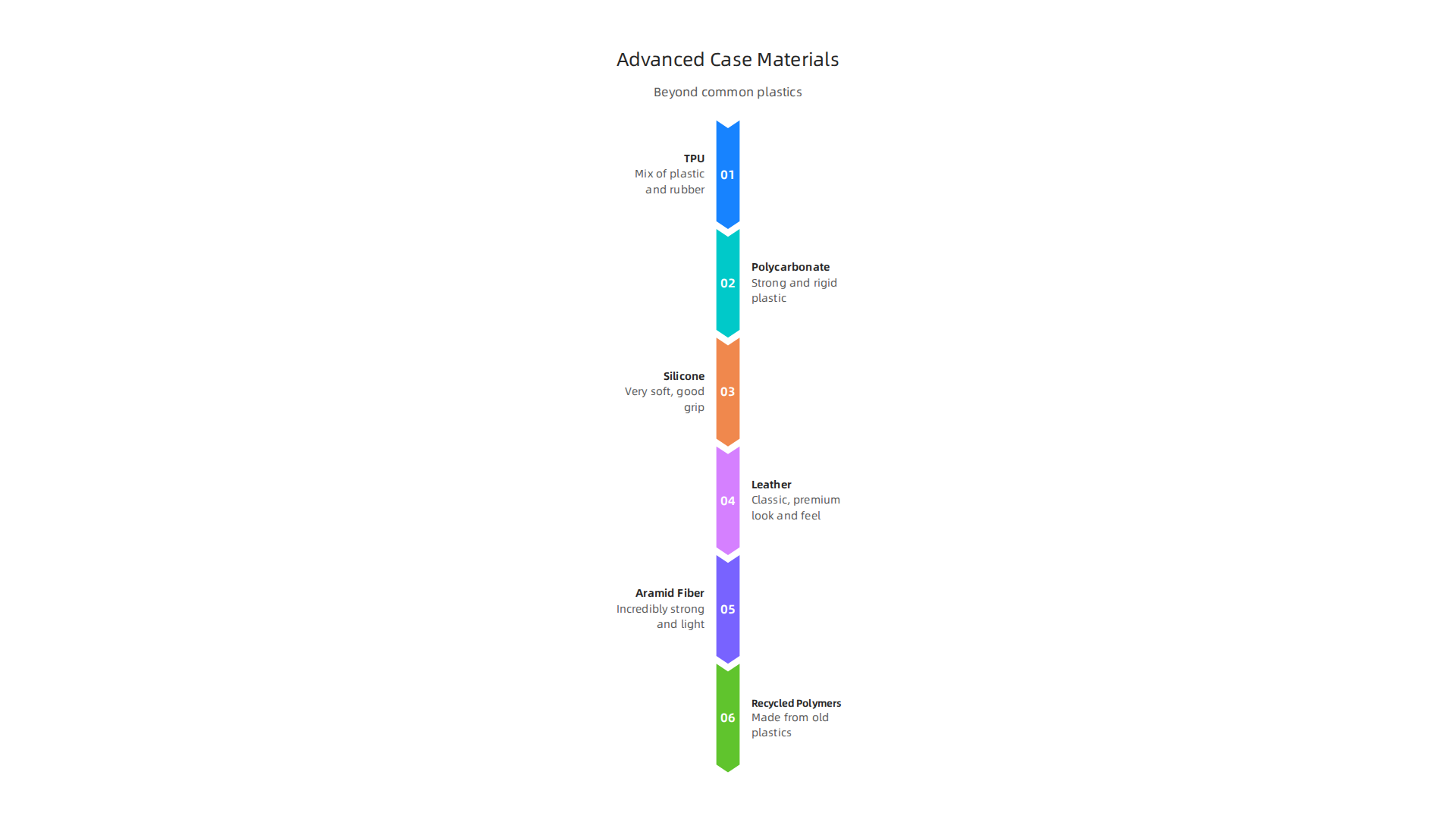
- Leather: This material offers a classic, premium look and feel. It wears over time, often developing a unique "patina."
- Aramid Fiber: You might know this better as Kevlar. It’s incredibly strong and light, offering great protection without adding bulk. Aramid fiber is about five times stronger than steel for the same weight [source: Phone Case Materials Guide: Kevlar, TPU & More (2026)].
- Recycled Polymers: These cases are made from old plastics, offering an eco-friendly choice. Their protective qualities depend on the specific type of recycled plastic used.
The way a case is made really changes its final feel and durability. Smart manufacturing methods ensure a perfect fit and long-lasting protection. Knowing the details about these advanced materials can guide you to an iPhone 13 mini case that truly meets your needs. For a broader look at how iPhones have changed over time, you might be interested in the Complete History Of The iPhone From 2007 To iPhone 17 In 2026.
Choosing the right iPhone 13 mini case isn’t just about how it looks or feels. It’s truly about how well it stands up to everyday accidents.
How do we know a case offers good protection? That’s where special tests come in. These tests help show how a case will perform when your phone slips from your hand or tumbles out of your pocket.
Protection: Drop, Scratch and Shock Resistance
Phone cases are put through many tough tests to make sure they can really protect your device. One common test is the "military-grade drop test." This isn’t just a fancy phrase. It means the case has met strict standards set by the U.S. Department of Defense. For example, a common test, MIL-STD-810H Method 516.8, involves dropping a device 26 times from 1.2 meters (about 4 feet) onto concrete. The phone is dropped from many different angles and in different temperatures, from very cold to very hot, to truly prove its strength How to Choose the Right Android Phone Case in 2025. Only a small number of cases actually meet these high standards, even if many claim to be "military-grade" How To Choose The Best Phone Case.

These drop tests show how a case can handle different types of impacts, like when your phone lands on its face, back, or a corner. A truly shockproof phone case isn’t just called that; it proves itself through these tough tests and smart design What Makes a Phone Case Truly Shockproof? (2026 Verified …). Cases are also tested for how well they resist scratches, often by rubbing them with abrasive materials for many cycles. This makes sure your case can keep looking good, not just save your phone from breaking.
How Case Design Helps Protect Your Phone
The way a phone case is built makes a huge difference in how it protects your iPhone 13 mini.
It’s like having a good shock absorber in a car.
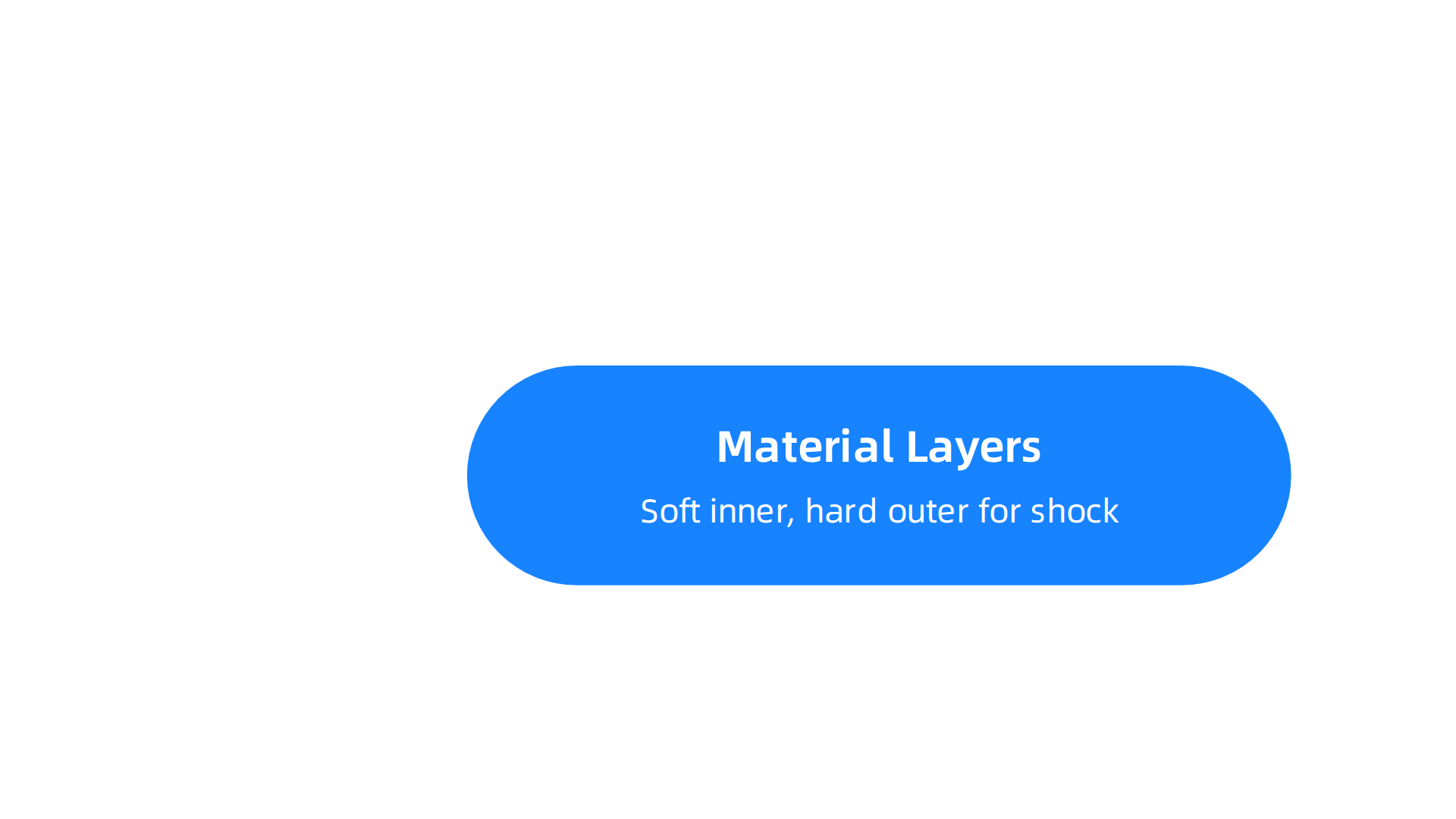
- Material Layers: We talked about how hybrid cases use both soft TPU and hard PC. This design is key for shock resistance. The soft inner layer absorbs the first hit, spreading out the energy, while the hard outer layer then keeps the phone from bending or breaking. This dual-layer approach is much better at taking impacts than a single material case.
- Raised Edges: Look for cases with raised edges around the screen and camera. These small bumps create a space between your phone’s most fragile parts and the ground when it falls flat. This simple design trick can save your screen or camera lens from direct impact and scratches.
- Corner Protection: Many falls happen on a corner. Cases with extra cushioning or thicker material in the corners are designed to soak up the force from these common drops.
When you’re looking for an iPhone 13 mini case, remember that a good design means more than just a pretty picture. It means smart engineering to dissipate energy and keep your phone safe. This kind of careful design can be found across many brands, from a heavy-duty otterbox iphone 16 case to a clear phone case for iPhone 13.
Choosing a case with strong drop and scratch resistance is a smart move for anyone who wants to keep their phone safe for a long time. For more tips on finding tough cases, you might want to read about the best clear phone case iphone 13 for drop protection and clarity.
Stay updated on the latest in technology and smart devices by subscribing to The AI Newsletter Worth Reading.
Moving from how cases protect your phone to how they protect our planet, we now look at how cases are made. Today, many people want an iPhone 13 mini case that is not only strong but also good for the Earth. This means looking at cases made from recycled stuff.
Sustainability and Recycled Materials: Certifications, Lifecycle, and Real Trade-Offs
When you pick an iPhone 13 mini case, you can also think about its impact on the environment. Many companies are now trying to make cases that are more "green."
-
What Recycled Materials Are Used?
You’ll often see phone cases made from recycled plastics. This could be old plastic bottles or other plastic products that are broken down and made into new material. Some cases even use plant-based materials, like corn starch or bamboo, which are natural and can break down more easily. The idea is to use less new plastic and keep old plastics out of landfills. Making new things from recycled materials can also use less energy and water than making them from scratch. For a broader look at plastics recycling, you can find helpful information in this position paper on LCA plastics recycling. -
Certifications and Lifecycle
How do you know if a case is truly eco-friendly? It’s not always easy to tell. Look for special stamps or words like "certified compostable" or "recycled content certified." These mean that a trusted group has checked the product. Companies might also share a "lifecycle analysis" (LCA) report. This report looks at everything from where the materials come from, how the case is made, how it’s used, and what happens to it when you throw it away. An LCA helps us understand the full environmental cost of a product, including a phone case. You can learn more about how these reports are put together by reading about the Applications of Recycled Plastics and Life Cycle Assessment or even a general Phonecase_LCA report. -
Real Trade-Offs to Consider
Sometimes, there’s a give and take. A super-strong case that can protect your phone from big drops, like a heavy-duty option for an otterbox iphone 16 case, might use more material or tougher plastics that are harder to recycle. On the other hand, a very thin, fully compostable case might not offer the same level of drop protection. It’s about finding a balance that works for you and your phone. You might want to consider how long you keep your phone; a durable case that lets you extend your phone’s life, even an iPhone 12 case, could be more sustainable in the long run than a less protective eco-case that needs replacing often. Thinking about the lifecycle of your phone itself is also important. Knowing how to get the most for your Apple iPhone trade in in 2026 can help extend its usable life.
Just like you think about how long your phone lasts, you also need to think about how your iPhone 13 mini case works with newer tech, especially charging. Nowadays, many people like MagSafe and wireless charging. These features make it easy to charge your iPhone without plugging in a cable. But the phone case you choose can really change how well these work.
MagSafe compatibility, wireless charging, and thickness trade-offs
MagSafe is a special way for your iPhone to connect to chargers and other accessories using magnets. For it to work best, the magnets in your phone and the accessory need to line up perfectly. When you put a case on your phone, it adds a layer between your phone and the charger. This extra layer can make the magnetic connection weaker.
Most wireless chargers work well through cases that are not too thick. Experts say that for good MagSafe charging, your case should be about 3 millimeters thick or less. If your case is thicker than this, the power transfer might slow down, or the magnetic connection might not be strong enough to hold the charger firmly. This means your phone might charge slower, or the charger could even fall off. To keep your MagSafe charging speedy, try to find a case that is within this thickness limit, as explained in articles about MagSafe Case Charging Essentials.
Some heavy-duty cases, like those you might consider for an otterbox iphone 16 case or a super protective phone case iphone 15 pro max, are often thicker. While they offer great protection from drops, they can sometimes cause problems with wireless charging. If you have an older phone, like with an iPhone 12 case, you might also find that very thick cases interfere with standard wireless charging pads.
Designers of phone cases try to balance strong protection with good MagSafe and wireless charging abilities. Some cases have special magnets built right into them, which helps with a strong connection even if the case is a little thicker. Other cases are made to be very thin and light to make sure charging works perfectly, but they might not protect your phone as much from big drops. It’s a choice between how much protection you need and how important fast, easy wireless charging is to you.
Staying updated on how technology changes and what that means for your gadgets can be a lot. If you want clear, daily updates about AI and other tech news, you might find something helpful.
The AI Newsletter Worth Reading
Choosing the right phone case isn’t just about how it charges or protects your phone from drops. It’s also about how the case feels in your hand every day. Think about how many times you pick up your iPhone. The way a case fits, feels, and keeps your phone from slipping is very important.
This is called ergonomics and grip.
Fit, ergonomics, grip and long-term wear (how real users perceive materials)
The feel of your phone case depends a lot on its surface. Some cases are smooth and shiny, which might look nice, but they can be slippery. Other cases have a special texture that helps you hold onto your phone better. Cases made from silicone or those with a bumpy pattern often provide a much firmer grip. This means your iPhone 13 mini case is less likely to slip out of your hand, which is a big plus.
The weight of the case and how its edges are shaped also matter for how it feels. A very heavy case can make your phone feel bulky, while a light case might feel less secure. Cases with rounded edges are often more comfortable to hold for a long time than cases with sharp or flat edges. Finding a good balance here means your phone feels good to use, whether you’re sending texts, watching videos, or talking on the phone. This is true for any phone, from an older iPhone 12 case to a new iPhone 16 Pro Max Colors.
Over time, phone cases change. This is called aging or patina. For example, clear cases, like a best clear phone case iPhone 13, can sometimes turn yellow because of sunlight and oils from your hands. Silicone cases might get stretched out or become harder over months of use. Leather cases can get darker, or scratched, giving them a unique look that some people like. Even tough cases, such as an otterbox iphone 16 case, can show wear and tear, like faded colors or softened edges. Knowing how a material ages can help you pick a case that will still look and feel good to you even after a long time. It is important to consider how a phone case will look and feel after many months, not just on the first day.
When you pick a phone case, you want it to last. This means looking at which brands truly stand out. Good brands don’t just make pretty cases. They put a lot of thought into the science of the materials they use and test them carefully.
Many companies use special plastics like TPU, which can be made softer or harder. This is measured by something called Shore hardness. For example, a Shore hardness of 85A-95A for TPU cases helps absorb shocks really well, stopping energy from reaching your phone during a fall The Science Behind Drop-Proof Phone Cases. Some cases might mix materials, like a strong polycarbonate (PC) back with softer TPU edges, to get the best of both worlds What Material Is Best for a Phone Case? A Practical Guide.
When a brand talks about its cases being "military-grade," it can sound very tough. But actually, there’s no single rule for this term. Real protection comes from how well the materials work when tested, not just a fancy name. Experts agree there’s no truly "unbreakable" phone case. However, many tough cases are tested to drop from about 4 to 6 feet onto hard surfaces What Makes a Phone Case Truly Unbreakable? (2025 ….
What a brand promises after you buy a case is also important. This is where warranties and return policies come in. For example, Apple offers a one-year warranty on their cases for problems with how they were made Apple One (1) Year Limited Warranty.
Other brands, like OtterBox, are known for their strong warranties, sometimes even for the lifetime of the product, covering any making problems Compare Lifetime Warranty Phone Cases 2026. This means if your tough otterbox iphone 16 case has a defect, the company might fix or replace it. For your iphone 13 mini case, checking the warranty can give you peace of mind. A good warranty shows that a company stands behind its products. This is true whether you’re buying a case for an older iPhone 6 in 2026 or a brand new phone case iPhone 15 Pro Max.
Staying on top of tech news and understanding what makes products good is key in 2026. Get clear daily AI updates from The AI Newsletter Worth Reading.
Choosing the right iphone 13 mini case can feel like a big puzzle. With so many options out there, how do you pick the best one for you? It helps to have a simple plan. This framework will guide you through the choices so you can find the perfect iphone 13 mini case that fits your life.
Your iPhone 13 mini case decision checklist
Before you buy, think about what really matters to you. Here’s a quick checklist:
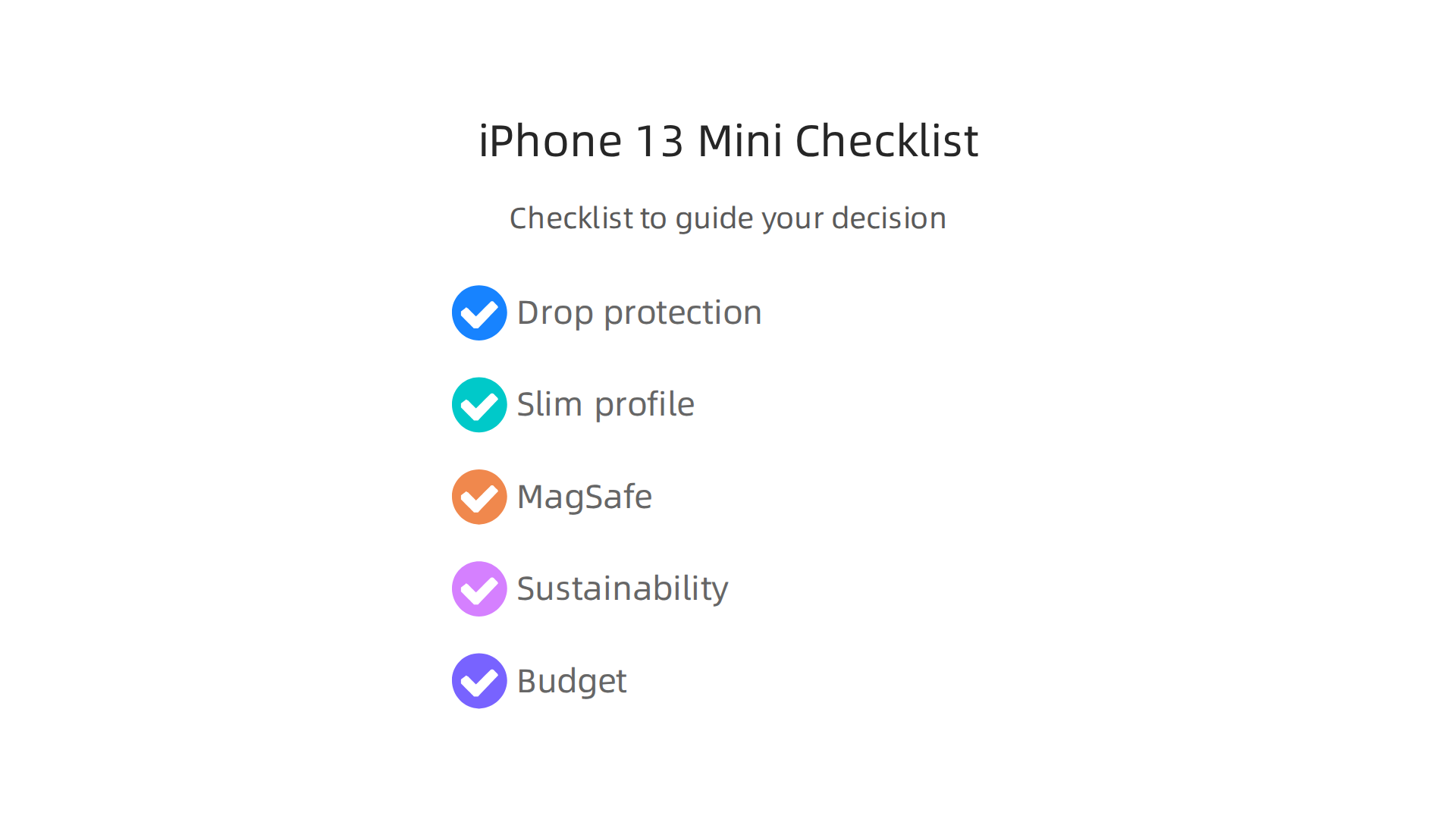
- How much drop protection do you need? Are you clumsy, or do you handle your phone carefully? If you drop your phone often, look for cases designed for heavy impacts. These might be a bit thicker.
- Do you want a slim profile or something more chunky? Some people love a thin
iphone 13 mini casethat barely adds size to their phone. Others prefer a bigger case for extra grip and protection. - Is MagSafe important to you? MagSafe lets you snap on chargers and other accessories easily. If you use these often, make sure your new case is MagSafe compatible.
- Do you care about sustainability? More brands are making cases from recycled materials or ones that break down easily. Some reports even compare the environmental impact of different phone cases Phonecase_LCA report.
- What’s your budget? Cases can cost anywhere from a few dollars to quite a lot. Decide how much you want to spend before you start looking.
Scenario-based recommendations
Let’s look at a few examples of how different people might pick their iphone 13 mini case:
- The Everyday Commuter: You travel a lot, your phone is in and out of your pocket or bag. You need good, all-around protection without too much bulk. A clear case that shows off your phone might be great, especially if it offers decent drop protection. You can explore options for a best clear phone case iphone 13 to keep it safe while looking good.
- The Active User: If you’re often hiking, at the gym, or working outdoors, your phone faces more risks. You’ll want a heavy-duty case, perhaps one like the tough
otterbox iphone 16 casefor newer models, but for youriphone 13 mini case, look for cases with reinforced corners and high drop ratings. Maybe aphone case iphone 15 pro maxmight offer similar features you can find for your mini model. - The Style-First Buyer: For you, the look of the case is key. You want it to match your outfits or show off your personality. You might choose cases with unique patterns, bright colors, or special finishes. Protection is still good, but fashion comes first.
- The Sustainability-Minded Buyer: You want to protect your phone and the planet. Look for cases made from plant-based plastics, recycled materials, or those that are designed to be composted. Brands that talk about their carbon footprint or use less packaging are also a good sign. Even if you have an older phone like an
iphone 12 case, green options are becoming more common across all models.
By thinking about these points, you can narrow down your choices and feel more confident that you’re picking the best iphone 13 mini case for your specific needs in 2026.
Summary
This article helps you choose the right iPhone 13 mini case by explaining the real differences between common materials (TPU, polycarbonate, silicone) and how design and testing determine protection. It breaks down how hybrid cases combine soft inner layers and hard shells to absorb and disperse impact, why raised edges and corner protection matter, and what