
Introduction: Navigating the iPhone 16e Price in a Rapidly Evolving Market
When Apple announced the iPhone 16e in early 2025, the tech world had mixed feelings. Many expected a new budget-friendly model around $400. Instead, Apple delivered the iPhone 16e with a starting price of $599.
That number surprised a lot of people. According to coverage of the iPhone 16e launch, the pricing caught many off guard. But here is the thing. The iPhone 16e is not your typical budget phone. It comes with the A18 chip, a 48MP camera, a 6.1-inch OLED display, and full support for Apple Intelligence. That puts it in a strange middle ground. It costs more than the old SE models but less than the standard iPhone 16.
So where does the iPhone 16e price really fit in 2026?
That is the question this article answers. With constant rumors about upcoming models and shifting pricing strategies, making a smart buying decision is harder than ever.
Whether you are wondering about the iPhone 16e price compared to other models, curious about iPhone 18 leaks, or considering an older option like the iPhone 14 Pro Max 128GB or checking the iPhone 12 release date for trade-in timing, you need clear facts.
This article cuts through the noise. We will examine the iPhone 16e price in context, compare it to other models, and forecast what Apple’s future lineup might look like. If you are also thinking ahead, our iPhone 17 Pro price analysis can help you plan your next upgrade.
By the end, you will know exactly what the iPhone 16e is worth and whether it is the right phone for you. And if you want to stay ahead of every new development, make sure to get clear daily AI updates from the The Deep View Newsletter for the tech trends that matter most.
Let us start with a simple question: what does the iPhone 16e actually cost in 2026?
The iPhone 16e Price: How It Fits in Apple’s 2026 Lineup
Apple officially launched the iPhone 16e in February 2025 with a starting price of $599. That is the MSRP for the 128GB model in the United States.
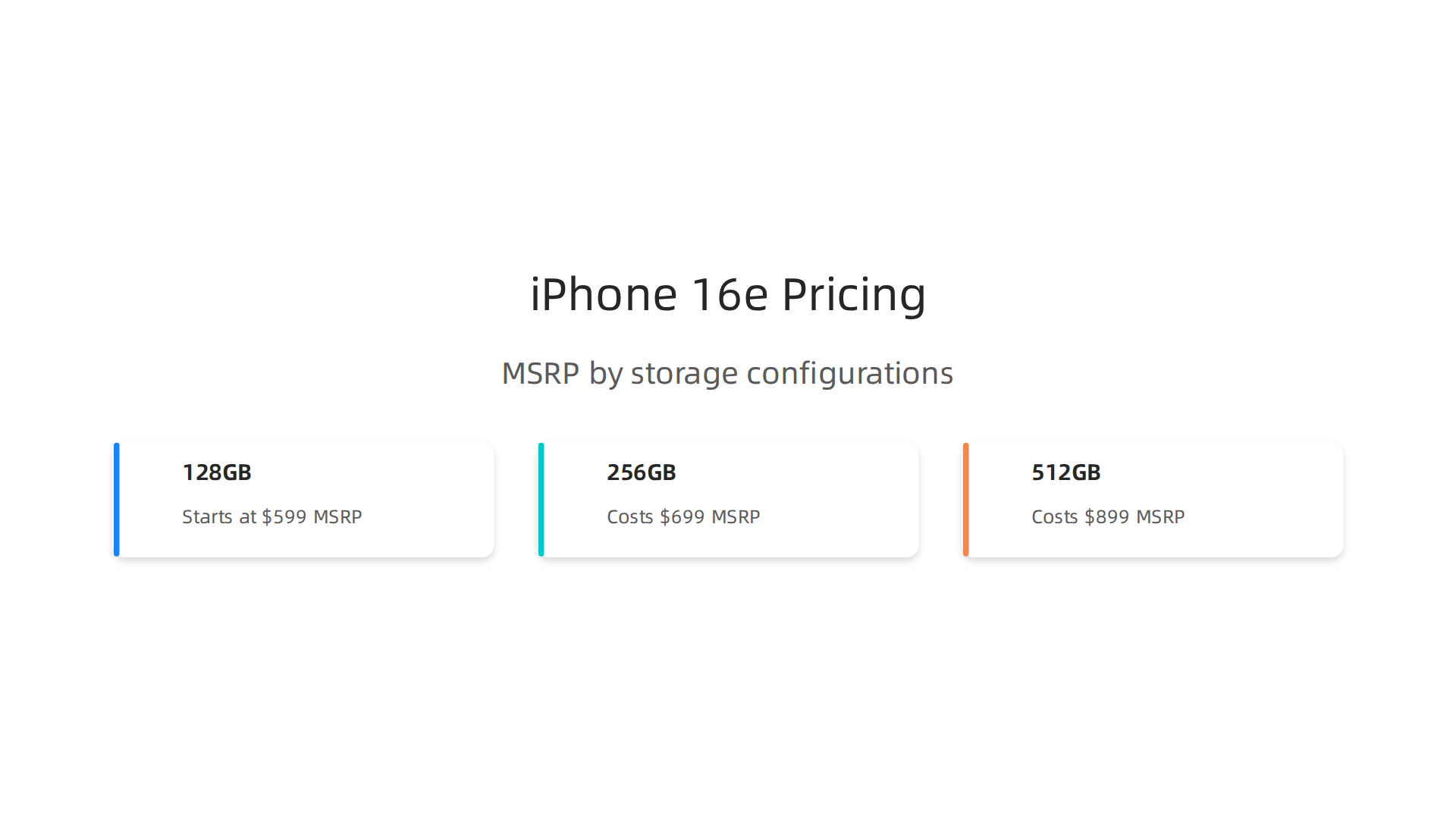
You can also get it in 256GB for $699 and 512GB for $899. These prices come straight from Apple’s newsroom announcement.
To understand why $599 feels like a jump, compare it to the iPhone SE 3. That phone launched in 2022 at $429. Over three years, Apple raised the entry price by $170. That is a 40 percent increase. But the iPhone 16e is not just a newer SE. It packs the A18 chip, a 6.1-inch OLED display, a 48MP main camera, and full support for Apple Intelligence. Those upgrades cost real money. Inflation also plays a role. So while the price tag stung at first, you are getting a lot more hardware.
Now here is where things get interesting in 2026. The $599 MSRP is not what most people pay anymore. According to Swappa’s pricing data as of June 2026, the average sale price for a used iPhone 16e is around $416.
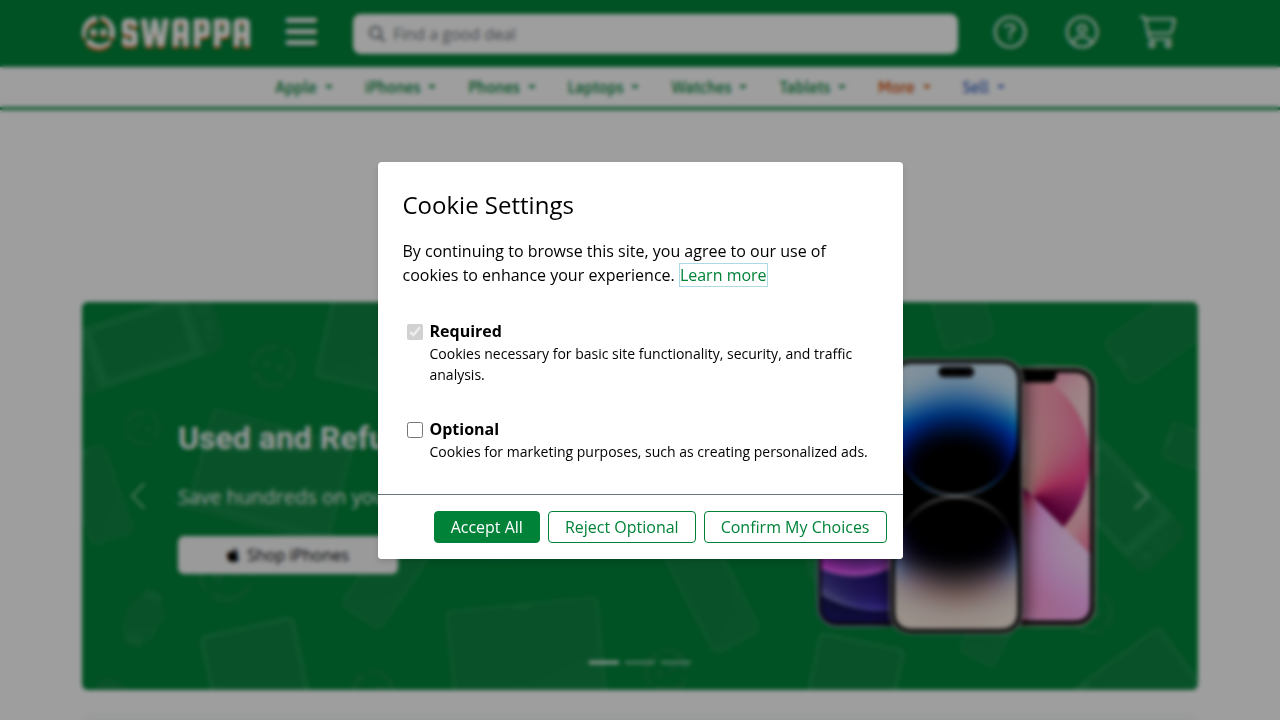
You can find unlocked devices in mint condition for $385 to $439. That is a big drop from the original $599. The secondary market has settled at a sweet spot that makes the iPhone 16e a better value than ever before.
This price point also puts the iPhone 16e in direct competition with mid-range Android phones. Models like the Google Pixel 8a and the Samsung Galaxy A55 run between $400 and $500 new. The iPhone 16e fights back with a stronger chipset, better software support, and the Apple ecosystem. For anyone who already owns AirPods, an iPad, or a Mac, the iPhone 16e is a no-brainer entry point.
At its core, the iPhone 16e is Apple’s most affordable current-generation device. It bridges the gap between old SE models and the pricier iPhone 16. If you are thinking about upgrading and want to stretch your budget, knowing how to get the best trade-in value can save you even more. That is where a solid trade-in strategy pays off.
The $599 sticker makes sense when you look at what is inside. And in 2026, you can often find it for much less. So the iPhone 16e price fits right where Apple needs it: affordable enough to attract new users, powerful enough to keep them in the ecosystem, and cheap enough on the used market to tempt bargain hunters.
Value for Money: iPhone 16e vs. iPhone 15, 16, and 16 Pro
Now that you know what the iPhone 16e costs in 2026, the big question is how it stacks up against other iPhones for the money. Is it a smarter buy than an iPhone 15, a regular iPhone 16, or even an iPhone 16 Pro?

The answer depends on what you actually need from your phone.
Let’s start with what you give up by choosing the 16e over its pricier siblings. The iPhone 16e does not have a telephoto camera lens. There is no ProMotion display with a 120Hz refresh rate. You also miss out on the third camera sensor that Pro models carry. And the 16e uses an older Ceramic Shield front compared to the latest generation on the iPhone 16 and 16 Pro. According to Apple’s official specs on the iPhone 16e, you still get excellent durability with IP68 water resistance and a glass back, but the display maxes out at 60Hz.
For most daily tasks, 60Hz is perfectly fine. Scrolling through social media, reading articles, sending messages — you will not notice the difference unless you put a 120Hz phone side by side. The same goes for the camera. The 48MP main sensor on the 16e takes fantastic photos, and it even offers a 2x telephoto zoom by cropping into the high-resolution sensor. But if you regularly shoot at 3x or 5x zoom, you will want the iPhone 16 Pro’s dedicated telephoto lens.
Where the iPhone 16e really shines is the A18 chip. That is the same processor found inside the regular iPhone 16. It powers all of Apple Intelligence features, handles games smoothly, and will receive software updates for years to come. In fact, the iPhone 16e is likely to get iOS updates longer than the iPhone 15, which uses the older A16 chip.
Now let’s talk numbers. The iPhone 16 starts at $699 new, which is $100 more than the 16e at $599. For that extra $100, you get the same A18 chip, a slightly better ultra-wide camera, the Action Button, and a brighter display with 60Hz. Is that worth $100? For many people, no. The 16e gives you the core experience for less.
Compare to the iPhone 15, which is still sold new at $699 or often found refurbished around $450 in 2026. The iPhone 15 has an A16 chip, a slightly older camera system, and no Apple Intelligence support. If Apple Intelligence matters to you, the 16e is the better buy even at the same price. The 16e also has better battery life than the iPhone 15, according to Apple’s own tests.
The iPhone 16 Pro starts at $999. That is a $400 jump from the 16e. For that premium, you get the A18 Pro chip, a 120Hz ProMotion display, a triple camera system with 5x telephoto, a titanium frame, and faster charging. If you are a photographer, a gamer, or someone who stares at their screen all day, the Pro might be worth it. But for the average user, the 16e delivers 80 percent of the experience at 60 percent of the price.
Here is a quick breakdown of where the 16e wins and loses on value:
| Feature | iPhone 16e | iPhone 16 | iPhone 15 | iPhone 16 Pro |
|---|---|---|---|---|
| Starting price (new) | $599 | $699 | $699 | $999 |
| Chip | A18 | A18 | A16 | A18 Pro |
| Display refresh rate | 60Hz | 60Hz | 60Hz | 120Hz |
| Main camera | 48MP | 48MP | 48MP | 48MP + telephoto |
| Apple Intelligence | Yes | Yes | No | Yes |
| Battery life | Excellent | Good | Good | Very good |
The iPhone 16e offers the best battery life per dollar in Apple’s entire lineup. Independent tests and user reports consistently show it lasting longer than the iPhone 15 and neck and neck with the iPhone 16. If you care about all-day battery without spending a fortune, the 16e is the clear winner.
If you are planning to sell your current phone to help pay for a 16e, timing matters. Getting the best value for your old device can save you another $100 to $200. We put together a full guide on how to get the most for your Apple iPhone trade-in in 2026 to help you maximize that trade.
So who should buy the iPhone 16e in 2026? Anyone who wants a fast, modern iPhone with great battery life, Apple Intelligence, and a reasonable price tag. If you do not need a telephoto camera or a super-smooth screen, you will be very happy. If you are a power user, the iPhone 16 Pro is worth the stretch. But for most people, the 16e is the smartest value in the lineup right now.
To stay on top of the best iPhone deals and emerging tech trends that could affect your next purchase, consider subscribing to expert analysis from The Deep View Newsletter. It delivers clear daily updates on AI and consumer tech so you never miss a shift in the market.
Key Factors Driving iPhone Pricing in 2026
You might wonder why the iPhone 16e starts at $599 and not less. The answer lies in what it costs Apple to build each phone.
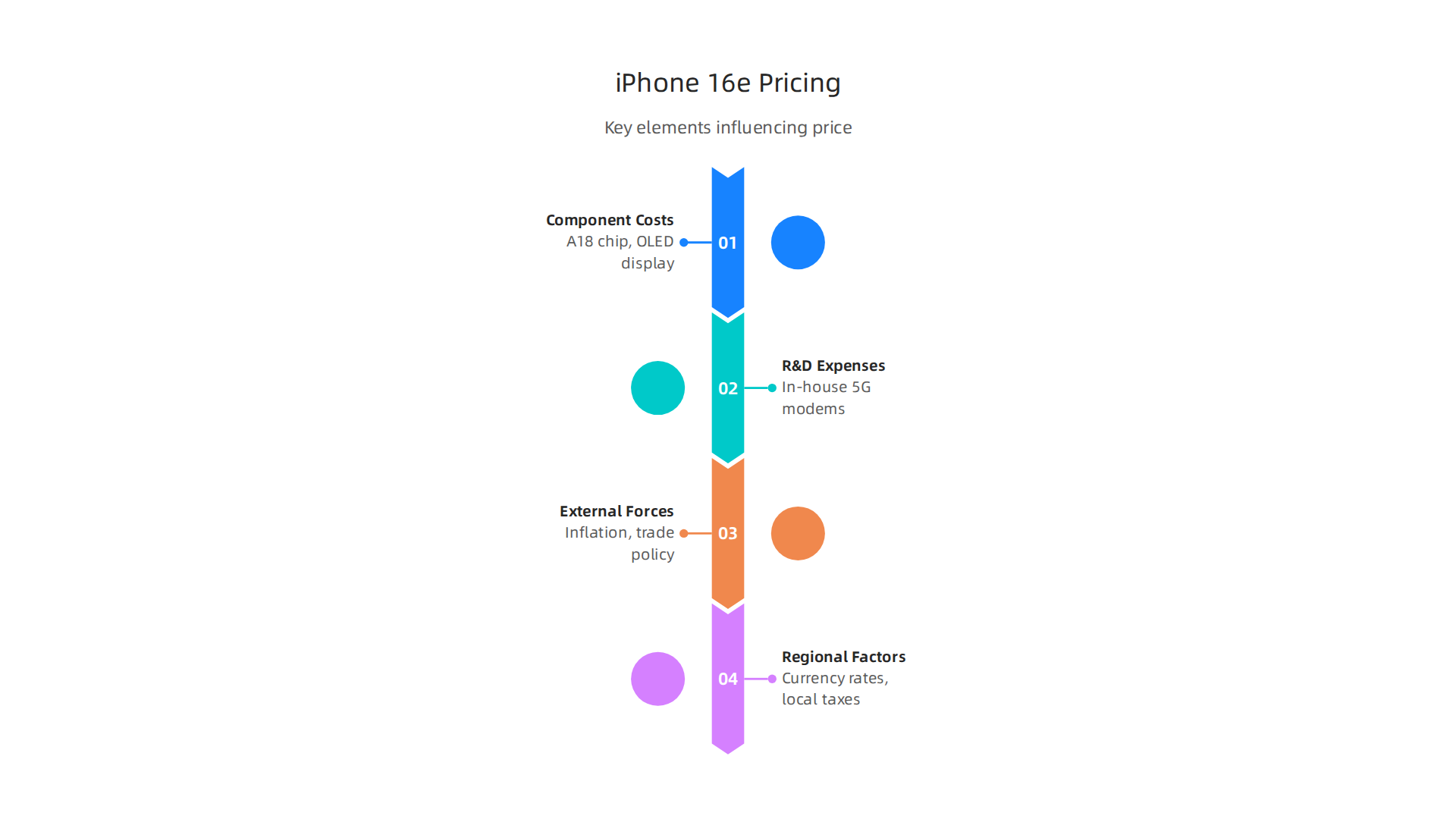
Components like the A18 chip, the OLED display, and the cellular modem all have real price tags. And those prices have been climbing year after year.
The largest single expense in any iPhone is the display. For the iPhone 16 series, the screen costs Apple about $65 per unit, according to a bill of materials analysis from Macworld.
The A18 chip adds another $45 or more depending on the model. And memory prices jumped 89 percent compared to the iPhone 15 because Apple moved from 6GB to 8GB of RAM to support Apple Intelligence. These rising component costs directly affect the iPhone 16e price you see at checkout.
Apple is trying to bring some of those costs down over time. The company has been working on its own in-house 5G modems to replace Qualcomm chips. That shift could save Apple money on every iPhone it sells, but the research and development for that modem cost hundreds of millions of dollars. Apple has to recoup that investment through device sales. So the iPhone 16e price still reflects those upfront R&D expenses.
Then there are outside forces like inflation and trade policy. The cost of raw materials, labor, and shipping has gone up across the board. More importantly, tariffs on goods assembled in China have increased dramatically in 2025 and 2026. A detailed cost breakdown from 9to5Mac shows that a 54 percent tariff on Chinese imports could add roughly $300 to the manufacturing cost of an iPhone 16 Pro. Apple cannot absorb all of that. Some of it inevitably passes to you, especially in the United States.
Regional pricing also varies because of currency exchange rates and local taxes. The iPhone 16e costs more in Europe and the UK than in the US for this reason. Apple balances these factors to keep the base price as low as possible while protecting its profit margin.
Looking back, the iPhone 12 launched at $799 in 2020, and the iPhone 14 Pro Max 128GB started at $1,099 in 2022. The iPhone 16e at $599 is actually cheaper than many predecessors, but it still represents the floor of what Apple can charge while making a profit. Future models like the iPhone 18 will likely face the same pressure from component costs and tariffs, which is why early iPhone 18 leaks already hint at potential price increases.
If you want to understand how iPhone pricing has evolved over the years, check out our complete history of the iPhone from 2007 to 2026. It puts the iPhone 16e price in perspective against every model that came before.
Future iPhone Models: What’s Coming Next and How Will They Affect the 16e’s Value?
So the iPhone 16e is a solid deal at $599 right now. But technology moves fast. By the time you read this, Apple has already launched the iPhone 17 series, and rumors about the iPhone 18 and a foldable iPhone are heating up. All these upcoming models will affect the iPhone 16e price and how much your phone is worth over time.
The iPhone 17 lineup brought some big changes. There is a new ultra-thin iPhone Air, a standard iPhone 17 with a larger 6.3-inch display, and Pro models with 48-megapixel cameras, 12GB of RAM, and the A19 chip. If you’re curious about what the Pro models offer, you can read our full breakdown of the iPhone 17 Pro price and features. These new devices make the iPhone 16e feel more like an entry-level option, which is exactly what Apple intended.
When newer phones arrive, older ones almost always drop in price. Apple tends to keep the iPhone 16e on sale but often lowers the price by $50 to $100 once the iPhone 17 has been out for a few months. If you can wait, you might snag the iPhone 16e price at a discount. But the trade-in value of the 16e will also shrink. If you plan to upgrade again soon, buying now means you lose more money later.
Apple is also changing its entire display strategy. By 2027, all new iPhones will use OLED screens. The iPhone 16e still uses an LCD display, which is cheaper but not as sharp or colorful. As OLED becomes the standard across the lineup, LCD models like the 16e will lose some of their appeal on the secondhand market. That could hurt resale value if you ever try to sell it.
Another shift is the release schedule. According to recent reports, Apple is splitting its iPhone launches between fall and spring starting in 2026. The iPhone 18 Pro, iPhone 18 Pro Max, and a foldable iPhone will arrive in September 2026, while the standard iPhone 18 and iPhone 18e won’t show up until early 2027. These major iPhone launch changes in 2026 mean the iPhone 16e might face competition from both a cheaper iPhone 18e and a more advanced foldable.
So what does this mean for you? The iPhone 16e price today is a great entry point into the Apple ecosystem. But its value will drop as newer models arrive. If you need a phone now, the 16e is still a smart buy. If you can wait a few months, you might save more money or get a better phone.
The tech landscape shifts fast. To keep up with the latest iPhone news, AI breakthroughs, and smart buying advice, sign up for The Deep View Newsletter. It delivers clear daily updates straight to your inbox so you never miss a trend that could save you money.
Should You Buy the iPhone 16e Now or Wait? A Decision Framework
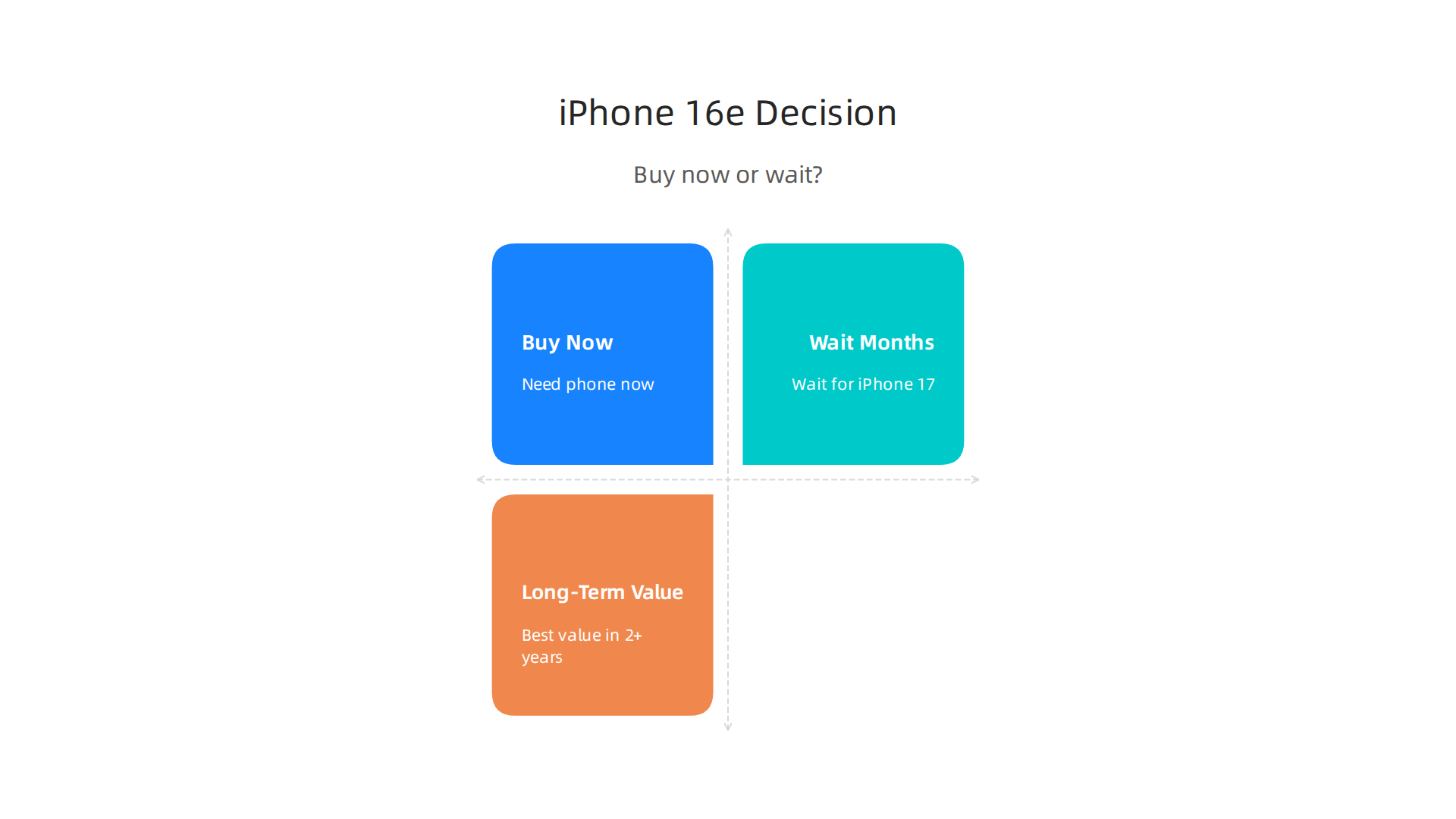
You’ve read about future models and how they could drop the iPhone 16e price. Now comes the hard part: Should you buy today or hold out? Let’s break it down with a simple framework.
Buy now if: You need a reliable iPhone today and don’t care about having the latest camera or display. The iPhone 16e works great for everyday tasks like texting, calling, social media, and streaming. Its A18 chip handles Apple Intelligence features smoothly, and the battery lasts all day. At $599, you’re getting a solid iPhone without paying extra for features you won’t use. If that sounds like you, buy the 16e and don’t look back.
Wait if: You can stretch your current phone a few more months. Here’s why. Apple typically announces new iPhones in September, and older models drop in price shortly after. According to the best time to buy an iPhone in 2026, waiting until the iPhone 17 launch could save you 15 to 20 percent on the iPhone 16e price. That’s about $90 to $120 off. If you wait until Black Friday or holiday sales, carrier bundles and trade-in deals can push savings even higher.
But timing matters. If you wait too long, the iPhone 16e might sell out, especially once Apple stops making it. And you’ll miss out on using the phone now. To get the most from your trade-in, check out our guide on how to get the most for your Apple iPhone trade-in in 2026. It shows you the best times to swap your old phone for maximum value.
Here’s a quick decision table:
| Your Situation | Best Move |
|---|---|
| Need a phone today, don’t want to wait | Buy iPhone 16e now |
| Can wait a few months, want a discount | Wait for iPhone 17 launch or Black Friday |
| Want the best value over 2+ years | Buy iPhone 16e now and keep it long |
Carrier and holiday deals are another reason to wait or buy now. Major carriers like Verizon and AT&T often offer trade-in bonuses during back-to-school, Prime Day, and Black Friday. You could get the iPhone 16e for much less than $599 with a qualifying trade-in. But if you don’t have an old phone to trade, the standard price is still fair.
The bottom line: The iPhone 16e price at $599 is a great deal for what you get. If you need a phone now, go ahead. If you can wait, you’ll likely save money or get a better phone for the same price. Either way, you’re making a smart choice.
Expert Tips for Getting the Best Deal on an iPhone 16e
You’ve made up your mind to get an iPhone 16e. Now let’s make sure you don’t pay full price. Here are three expert ways to save money on your purchase.
1. Go Certified Refurbished from Apple or Best Buy
Buying a certified refurbished iPhone 16e can save you a lot. Apple and Best Buy sell these phones with the same warranty you get with a new one.
The only difference is the box. You might save up to 20 percent compared to the standard iPhone 16e price. According to the experts at Which?, a good iPhone deal around 20 percent off is a smart catch. Refurbished units go through strict testing and come with a new battery. You get a like-new phone for less.
2. Combine a Trade-In with a Carrier Promotion
This is the number one way to lower your cost. Apple and carriers like AT&T and Verizon offer trade-in credits. When you trade in an old device and sign up for a qualifying plan, the savings stack up. The best iPhone 16 deals from carriers can knock hundreds off the price. For example, some carriers give up to $600 back with a trade-in. That brings the net cost of your iPhone 16e way below $599. Just make sure you understand the fine print. Discounts often come as monthly bill credits over 24 or 36 months.
3. Use Price Trackers and Cashback Apps
Flash sales happen all the time. But you won’t see them unless you set up alerts. Price tracking tools like CamelCamelCamel or Keepa watch prices for you. They send an email when the price drops. Cashback apps like Rakuten or Honey also give you money back on purchases. For extra savings, you can use price comparison tools for trade-in value to see where you get the most for your old phone. A little setup now can save you $50 or more.
4. Stay Informed on Future Deals
The best deal might come next week. If you keep an eye on tech news and seasonal sales, you’ll catch price cuts early. For daily updates on the latest tech deals and discounts, subscribe to The AI Newsletter Worth Reading. It helps you stay ahead of flash sales and new offers.
Bottom line: You don’t have to pay full price for the iPhone 16e. A refurbished unit, a smart trade-in, and a price tracker can each cut your cost.
Combine them and you might save over $200. That’s real money in your pocket.
Summary
This article explains where the iPhone 16e’s $599 price fits into Apple’s 2026 lineup and whether it’s a good buy. It breaks down what you get — the A18 chip, a 48MP main camera, a 6.1-inch display, Apple Intelligence support, and excellent battery life — and compares those features and prices to the iPhone 15, iPhone 16, and the pricier 16 Pro. The piece also shows how component costs, inflation, and tariffs drive Apple’s pricing, and it highlights the real-world market: used iPhone 16e units often sell around $385–$439, making them a strong value. You’ll get a clear decision framework for buying now versus waiting for newer models or sales, plus concrete ways to cut costs with trade-ins, refurbished units, and price trackers. By reading this guide you’ll know the trade-offs, the best buying strategies, and how future iPhone releases may change the 16e’s value.