
Introduction: Why Choosing the Right iPhone Case Matters More Than Ever
Here is a simple truth that every iPhone owner eventually learns: your phone is only as safe as the case you put on it. But with thousands of options flooding the market, finding the right one feels harder than ever.
The numbers tell the story. The global phone case market is expected to grow by nearly $18 billion between 2026 and 2030, expanding at a rate of 7.5% each year according to industry forecasts from Technavio. That is a lot of cases. And with so many choices, it is easy to fall into what experts call choice paralysis. You stare at endless pages of colors, materials, and price points, and suddenly you have no idea what to pick.
Of course, the decision gets trickier when you consider compatibility. Whether you own the latest new iPhone model from 2026 or an older device like an iphone 13 phone case for your trusty handset, each generation brings subtle changes in camera placement, button position, and overall dimensions. What fits an iphone 15 phone case perfectly might leave gaps or block ports on a different model.
And if you are specifically shopping for an iphone 15 pro max phone case, you already know that bigger phone means bigger responsibility. The extra screen space and camera bump demand extra protection.
So what matters most? The short answer is balance. You need a case that guards against drops without turning your sleek device into a brick. You want it to look good without sacrificing function. And you need it to fit your lifestyle, not just your phone.
The Consumer Reports team puts it well: from sleek skins to folio designs that hold credit cards, the right case should protect first and style second.
In this guide, we will walk through everything you need to know to pick the perfect case in 2026. No fluff. No overwhelm. Just clear, practical advice that actually helps.
And if you want to stay ahead of the curve on all things tech, consider joining our community. Subscribe Free to The Deep View Newsletter and get simple daily AI and tech insights delivered straight to your inbox.
1. Understanding iPhone Case Materials – Silicone, TPU, Polycarbonate, and More
You might think a case is a case. But the material makes all the difference in how your phone feels, survives falls, and ages over time. Here is what you actually need to know about the most common options.
Silicone is soft, grippy, and pleasant to hold. It absorbs shock well during everyday drops. The downside? It attracts lint and dust like a magnet, and it can stretch out over time.
TPU (thermoplastic polyurethane) is the middle ground most people want. It flexes enough to absorb impact but stays rigid enough to keep its shape. TPU cases often hit the sweet spot of drop protection without adding too much thickness, which is exactly what buyers are looking for according to the Future Market Insights report on durability trends.
Polycarbonate is hard plastic. It is stiff, scratch resistant, and does not bend. But it offers almost no shock absorption on its own. Many premium cases combine a polycarbonate back with a TPU bumper to get the best of both worlds.
Leather looks and feels premium. It develops a patina over time that some people love. But leather provides minimal drop protection and can wear down fast with daily use.
Aramid fiber is the high end option. It is lightweight, incredibly strong, and very thin. It is the same material used in bulletproof vests. For someone wanting a slim profile without sacrificing toughness, this is worth a look.
Here is the interesting part for owners of the iphone 15 pro max phone case search. The iPhone 15 Pro Max already uses a titanium frame, which is lighter and stronger than previous models. A heavy duty case may actually work against that design choice. You might want a slimmer material like TPU or aramid fiber that complements the phone rather than weighing it down.
The Consumer Reports team reminds us that protection should always come first. But with the right material, you do not have to sacrifice feel or style.
Understanding these differences is the first real step toward a smart purchase. Next, we will look at how drop protection ratings actually work so you can trust the numbers on the package.
Want more simple breakdowns like this delivered daily? Subscribe Free to The Deep View Newsletter.
2. Drop Protection Standards – MIL-STD-810G vs Military-Grade vs 10-Foot Drops
Now that you know what materials do for your case, it is time to look at the numbers on the box. Words like "military grade" and "10 foot drop" get thrown around a lot. But what do they actually mean? And do they matter for your new iphone 15 pro max phone case? Let’s clear that up.
The most common standard you will see is MIL-STD-810G. This is a real test created by the U.S. military. To pass, a phone case must survive 26 drops from 4 feet (1.2 meters) onto a two inch thick piece of plywood on top of concrete. That is the rule, according to Petra’s breakdown of military grade cases. Some newer cases meet MIL-STD-810H, which InfoCase explains includes extra tests like steel impacts. But here is the thing: "military grade" is not one fixed rule. Many companies use the term loosely. OtterBox and SUPCASE both agree that real military grade means passing a set of specific lab tests for drops, temperature, and shock. But not every brand follows the same standards.
Now, how does this relate to the new iphone? Your iPhone 15 Pro Max has a titanium frame. That makes it lighter and stronger than older models. But titanium is also stiff. When you drop it, the force does not absorb as well into the frame. So a case that barely passes a 4 foot plywood test may not protect your phone if it falls from your pocket onto uneven pavement. In real life, drops often happen from 5 to 6 feet and hit rough surfaces like concrete. Lab conditions use smooth plywood. That is a big difference. Pocketnow points out that lab tests are controlled, but your daily drops are not.
So what should you look for? Ignore vague claims like "10 foot drop" unless the brand tells you which standard they used. Look for clear wording like "tested to MIL-STD-810G 516.6" and check how many drops passed. More drops at a decent height on a hard surface is better. And remember: the iphone 15 pro max phone case you pick needs to handle more than a lab floor.
Want to stay ahead of confusing tech claims like this? Subscribe Free to The Deep View Newsletter for simple daily breakdowns.
3. MagSafe and Magnetic Accessories Compatibility
You just found a great iphone 15 pro max phone case with solid drop protection. But then you try to slap on your MagSafe wallet or charger, and it falls off. That is frustrating. Here is why that happens and how to avoid it.
MagSafe uses a ring of magnets inside the phone to snap things on. A thick case made of tough materials can block that magnetic field. According to ecoatm’s guide on the best iPhone 15 Pro Max cases for 2026, case thickness is the number one reason magnetic strength drops. So if your new iphone case is built like a tank, it might not hold your charger well.
But there is good news. Some cases actually have stronger magnets than Apple’s own design. Smartish explains that generic magnetic cases using N52 magnets can be 2 to 3 times stronger than standard MagSafe. That means your wallet stays put even in a pocket or a bumpy car ride. A case like the one from ROKFORM uses specific magnets rated at 9.88 pounds of pull for the lower magnet on the iPhone 15 Pro Max.
Also keep in mind that the iPhone 15 Pro Max has a slightly different magnet alignment than older models. So a case made for an iphone 13 phone case or an iphone 15 phone case might not line up perfectly. That can slow down charging or make accessories feel loose.
The fix is simple. Look for a case that says "MagSafe compatible" and check reviews for real world magnetic strength. Avoid super thick cases unless the brand confirms strong magnets are built in.
Do not let a weak magnet ruin a good accessory setup. Subscribe Free to The Deep View Newsletter for simple daily tech tips that help you make smarter choices.
4. Slim vs Rugged Cases – Finding the Balance
So you care about magnets, but now you face another choice. Do you go super slim or super tough? Each side has real tradeoffs, and the right pick depends on how you use your iphone 15 pro max phone case every day.
Ultra-slim cases are great for slipping into tight jeans or a small bag. They add almost no weight or bulk, and your phone still feels like a phone. But here is the catch. A thin case usually means thin protection. If you drop your phone on concrete, that slim cover might not absorb enough impact. According to TechGearLab’s tests of over 50 iPhone cases, slim cases often fail to protect the screen or camera bump in a real fall.
On the other hand, heavy-duty cases are built like a tank. They have thick corners, raised edges, and sometimes even metal or rubber layers. A rugged case can survive a drop from shoulder height onto pavement. But that protection comes with size and weight. Your iphone 15 phone case might double the phone’s thickness, and it won’t slide into a front pocket easily. ecoatm’s 2026 guide notes that thickness is also the top reason magnetic strength drops, so a bulky case could mess with your MagSafe charger.
The smartest move is to find a model that sits in the middle. Top-rated cases this year use a thin but shock absorbent material like TPU or polycarbonate with air pockets at the corners. They keep the phone slim enough for daily use yet still pass military grade drop tests. For example, the ROKFORM rugged case packs strong N52 magnets (9.88 pounds of pull) while staying relatively slim for its protection level. Another winner is the Smartish case, which uses 2 to 3 times stronger magnets than standard MagSafe but remains thin enough for a pocket.
The bottom line: ask yourself where you drop your phone most. If it is mostly on carpets or couches, go slim. If you hike, work outdoors, or have kids, go rugged. Either way, look for a case that balances drop protection with a strong magnetic hold.
Want to compare more case options side by side? Subscribe Free to The Deep View Newsletter for daily gear tips that save you time and money.
5. Aesthetics and Personalization – Colors, Designs, and Limited Editions
So you have figured out protection and magnets. But here is the real question. Do you actually like how your iphone 15 pro max phone case looks? In 2026, your phone case is more than a shield. It is a style statement.
The biggest trend this year is a shift away from boring black and gray. People are choosing saturated, vibrant hues that pop. According to cocomii.com’s trend report, 2026 is all about bold colors that make an immediate statement. Think deep greens, bright corals, and electric blues. Muted tones are still around, but they are now paired with glossy or textured finishes to add interest. The Tallpine Cases color guide also points to seasonal palettes like soft pastels for spring and earthy tones for fall.
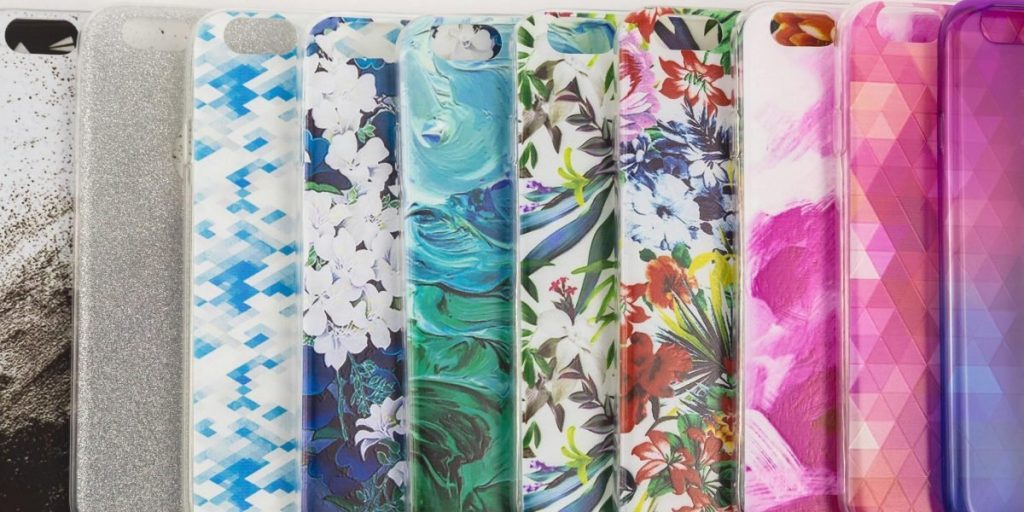
Designs are getting creative too. Transparent cases remain popular because they show off your new iPhone’s own color. But textured cases are rising fast. Think ridged backs, woven patterns, or soft-touch finishes that feel good in your hand. Shamoscases.com’s 2026 style guide highlights floral romance, kawaii patterns, and geometric designs as top picks. Limited edition artist collaborations are also huge. Big names in fashion and street art are teaming up with case brands to drop small batches that sell out fast. If you want something no one else has, that is the way to go.
Customization is bigger than ever. Early adopters love making their case their own. You can add a sticker layer, a paper insert with your own photo, or even paint a design yourself. Printify’s roundup lists 27 design ideas that are selling well in 2026, from simple monograms to wild abstract art. eufyMake’s guide suggests using washi tape or decorative tape to create a one-of-a-kind look without permanent damage.
For some buyers, aesthetic appeal truly outweighs protection. They pick a thin, colorful case that looks amazing even if it means less drop safety. And that is totally fine. Your phone is something you hold and look at all day. It should make you smile.
The best iphone 15 pro max phone case for you might be the one that matches your style first and still offers decent protection second. When you find that balance, you win.
Want to stay ahead of the latest tech trends including hidden gear secrets? Subscribe Free to The Deep View Newsletter for daily insights that help you pick the right tools for your life.
6. Price Tiers – Budget, Mid-Range, and Premium Options
Now that you know what looks good, let’s talk about what costs what. The price of an iphone 15 pro max phone case can range from under $20 to over $100. That is a huge spread. And the tricky part is that price does not always match protection.
According to Dropguys, case prices span from under twenty dollars to well over sixty. And here is the truth they found. Expensive does not always mean better. Cheap does not always mean flimsy. You really have to look at what you are getting for your money.
Budget cases (under $25)
These are the cases you find on Amazon or at discount stores. They can be a great deal if you pick wisely. But be careful. MagBak points out that a $5 clear case will yellow in three months and offer very little drop protection. So if you go budget, look for one with raised edges and some shock absorption. Read reviews about durability. You can find decent protection at this level, but you have to check the details.
Mid-range cases ($25 to $60)
This is the sweet spot for most people. You get solid materials, good drop protection, and often better grip and design. Many cases in this range meet Military Standard (MIL-STD) drop protection, as TechGearLab confirms. You can also find MagSafe compatibility, port covers, and nicer finishes here. Brands like Smartish focus on this tier with cases that grip, cushion, and save your screen without breaking your bank.
Premium cases ($60 and up)
At the top end, you are paying for brand name, luxury materials like real leather or Kevlar, and sometimes better drop engineering. But remember, a $100 case does not automatically mean your phone survives a 10-foot drop better than a $40 case. Some premium cases are actually thinner and offer less protection because they prioritize style. Others are built like tanks. You have to check the specs, not just the price tag.
So which tier should you choose?
Here is a simple way to think about it. If you drop your phone often, go mid-range with proven drop protection. If you want a specific look and do not mind paying for it, premium might be worth it for you. And if you are on a tight budget, you can still find a decent iphone 15 pro max phone case, but do your homework first.
The value is not in the price tag. It is in how well the case protects your phone and how much you enjoy using it every day.
Want to stay ahead of the latest tech trends and avoid wasting money on the wrong gear? Subscribe Free to The Deep View Newsletter for daily insights that help you pick the right tools for your life.
7. Eco-Friendly and Sustainable Cases – Materials, Brands, and Certifications
Maybe you just finished reading about price tiers and thought, "I want a case that protects my phone and the planet too." You are not alone. More people are looking for sustainable phone cases in 2026. And the good news is you can find an iphone 15 pro max phone case that checks both boxes.
What makes a case eco-friendly?
It comes down to materials. Instead of standard plastic, eco-friendly cases use things like recycled plastics, plant-based compounds, and even compostable materials. For example, Engadget highlights a material called Flaxstic made from flax straw and compostable bioplastic. Pela Case creates the world’s first 100% compostable phone cases. Other brands use recycled ocean plastics or FSC-certified wood, as Woodcessories does.
How do you know it is really green?
This is where certifications help. Look for labels like Cradle to Cradle, which verifies that a product is made with safe materials and can be recycled or composted. The Forest Stewardship Council (FSC) ensures wood comes from responsibly managed forests. Compare and Recycle explains that a truly sustainable case should be biodegradable, compostable, or recyclable at the end of its life. And TheRoundup tested many options to find ones that look great without harming the environment.
Can an eco-friendly case still protect your phone?
Yes. Many sustainable cases offer solid drop protection and work with MagSafe. Tallpinecases.com compared top eco cases and found they match traditional cases in durability. Even OtterBox now offers cases made from recycled materials, so you can trust a brand you already know.
So whether you need an iphone 13 phone case, an iphone 15 phone case, or a case for the new iphone, you can choose one that fits your values and your budget. The best part? You do not have to sacrifice style or protection.
Keep learning about smart consumer choices. Subscribe Free to The Deep View Newsletter for daily insights on tech that actually matters.
8. Brand Reputation and Warranty – Trusted Names in the Industry
You have done your homework. You know what materials last, which designs fit your style, and how much you want to spend. But here is the real question. Can you trust the brand behind that iphone 15 pro max phone case?
Top brands like OtterBox, Spigen, and Casetify have spent years earning your trust. They do not just make cases that look good. They back them up with real warranties and solid customer service. That matters when your case cracks or the color starts peeling after a few months.
What separates a trusted brand from the rest?
Warranty length is the first clue. OtterBox offers a limited lifetime warranty on most of its cases. Spigen provides a one year warranty on its standard cases. Casetify offers a six month warranty but also has a strong reputation for quick replacements when something goes wrong.
Customer service can make or break your experience. A cheap case from an unknown seller might save you ten dollars today. But if the case breaks or does not fit right, you could end up stuck with a useless product and no one to call. That is why brands like OtterBox and Spigen invest in customer support teams that actually respond.
How do these brands stay ahead in 2026?
They keep following what buyers want. Cocomii reports that the top case styles in 2026 are all about bold colors and personality. Brands that listen to those trends and build reliable products around them are the ones that earn your repeat business.
So when you shop for your next case, check the warranty terms first. Read a few reviews about the brand’s customer service. A few minutes of research now can save you a lot of frustration later.
Want to stay ahead of trends like this without wading through noise every day. Subscribe Free to The Deep View Newsletter for clear daily insights on the tech that actually matters.
9. Cross-Generation Compatibility – iPhone 13 to iPhone 16
Picture this. You finally upgrade to a new iPhone after three years. And your old case almost fits. It snaps on. The edges line up mostly. But the camera cutout is slightly off. And the buttons feel mushy. Sound familiar?
Here is the thing Apple changes the dimensions, camera bump, and button layout almost every year. So your old iphone 13 phone case will not work well on an iPhone 15 or iPhone 16. And that is not just a cosmetic issue. A poor fit can leave your phone vulnerable to real damage.
What actually changes between models
Take the iPhone 15 and iPhone 16 for example. Both have similar outlines. But the camera module shifted slightly. The Action Button appeared on the Pro models. And the overall thickness changed by a millimeter or two. Those differences matter because a case needs a precise mold to protect your phone properly.
Even small gaps between the case and your phone can let dust and debris in. And if the case does not hold your phone snugly, it might pop off during a drop. According to OtterBox, a case must pass specific tests for drop protection, temperature endurance, and shock resistance. A loose fitting case cannot pass those tests.
When cross-generation cases actually work
Some brands do design cases to span multiple generations. For example, certain cases fit both the iPhone 15 Pro and iPhone 16 Pro. But those cases are specifically engineered for that overlap. They are not accidental hand-me-downs from an older model.
If you are buying a new iphone 15 phone case or a case for the latest model, always check the compatible model list on the product page. Do not assume a case will fit just because the phone looks similar.
Why fit matters for protection
A case that does not fit right cannot protect your phone the way it should. Military grade drop testing, like the MIL-STD-810G standard, involves dropping a phone inside its case 26 times from 4 feet onto concrete. As InfoCase explains, these tests require a precise fit to work. If the case shifts during a drop, your phone takes the impact instead.
So before you reuse an old case on your new iPhone, think twice. A few dollars saved now could cost you a broken screen later.
Want to stay updated on which new iphone accessories are actually worth your money. Subscribe Free to The Deep View Newsletter for clear daily insights on the tech that matters most.
10. Where to Buy – Retail vs Online and Avoiding Counterfeits
You found the perfect case. The design is right. The drop rating looks solid. But then you wonder: where do you actually buy it without getting scammed?
It is a real problem in 2026. Knockoff cases flood online marketplaces. They look identical in the product photos. But underneath, they use cheap plastic that cracks on the first drop. And as MagBak points out, a $5 clear case from Amazon often yellows in months and offers almost no real protection.
Retail stores give you peace of mind
Buying from an authorized retailer is the safest bet. Big box stores, carrier shops, and Apple Store locations only stock genuine cases from trusted brands. You can see the case in person. You can test the fit, the button feel, and the grip. And if something is off, returns are easy.
Retail also helps you avoid the wait. You walk out with your new iphone 15 pro max phone case or iphone 13 phone case the same day.
Online marketplaces: convenience with risk
Shopping online is faster and often cheaper. You can compare dozens of options in minutes. And sites like Amazon have buyer protection. But counterfeits are everywhere. Sellers list fake cases that mimic popular brands. The price looks too good. And it is.
To stay safe, stick to the brand’s official store on the marketplace. Check seller ratings carefully. And read recent reviews, not just the top ones. Dropguys notes that case prices range from under $20 to over $60. Expensive does not always mean better, but a $10 case claiming military grade protection is suspicious.
Pre-order from brand websites for the latest models
When a new iPhone launches, cases sell out fast. The best way to guarantee you get the exact model and color you want is to pre-order directly from the case brand’s website. This is especially important for new iphone accessories like cases with precise camera cutouts and button alignment.
Brands like OtterBox, Casetify, and Spigen usually offer pre-orders and ship on release day. You also get the full warranty and customer support.
The bottom line
Spend a little time on where you buy. It saves you the headache of a fake case that fails when you need it most. When you choose a trusted source, your phone stays protected and your money is well spent.
Want more no-nonsense tips on tech that actually matters? Subscribe Free to The Deep View Newsletter for daily insights you can trust.
Summary
This guide helps iPhone owners pick the right case in 2026 by explaining the real differences between materials, protection ratings, and practical tradeoffs. It breaks down common materials (silicone, TPU, polycarbonate, leather, aramid), how to read drop‑test claims like MIL‑STD‑810G, and why lab results can differ from real‑world falls. You’ll learn how case thickness affects MagSafe function, how to choose between slim and rugged designs based on daily use, and which price tiers typically deliver the best value. The article also covers style and customization trends, eco‑friendly materials and certifications, brand warranties, cross‑generation fit issues, and safe places to buy to avoid counterfeits. After reading, you’ll be able to judge specs and marketing claims, pick a case that balances protection and feel, and buy from sources that stand behind their products.