

Why Moonshot Games Matter Now
Imagine a game so big and new it feels like a trip to the moon.

That’s what we mean by moonshot games. These are not just any games; they are projects that try to do something really hard and never done before in how games are made or how they play. They take big risks but promise even bigger rewards. Think of pushing the limits of technology or inventing totally new ways to have fun in a game.
In 2026, moonshot games are more important than ever for a few reasons.
For Players: You want new and exciting things. Regular games are fun, but moonshot games promise experiences you’ve never had. They use new ideas to make stories feel more real or gameplay more surprising. These games often become the talk of the town, showing what’s possible in the world of play. They can help you unlock hidden worlds and discover untapped games in 2026.
For Creators: Making games is an art, and creators always look for ways to be better. Moonshot games let them experiment with new tools and ideas. They might try out advanced AI, a new kind of virtual reality, or a different way to tell a story. These big projects help game makers learn and grow. Many places are even offering help for studios to scale up their game ideas, like the GDAI’s Supernova incubator program, which helps game studios get funding and advice in 2026 to reach wider audiences GDAI Launches Supernova Incubator to Scale Indian Game ….
For the Game Industry: The world of games is always changing. Big tech companies and smaller studios alike are always looking for the next big thing. Moonshot games push everyone forward. They inspire new technology meme ideas and can even show off what powerful new computers or software can do. Even famous people like Elon Musk, who is often linked to big, bold technology meme ideas, remind us that taking huge leaps can change everything. You can learn more about Elon Musk’s 2026 tech empire and how his ventures influence various sectors. These games often need a lot of money and smart people to make them happen, but if they work, they can change the entire way we think about games.
Do you want to stay updated on how AI is shaping the future of tech, including games?
Get clear daily AI updates from The AI Newsletter Worth Reading.
The idea of a moonshot game is exciting, but what makes a game truly a "moonshot"?

Simply put, moonshot games are very special projects in the gaming world. They are not just regular games; they are bold attempts to do something completely new and often difficult.
Here are the main things that make a game a moonshot:
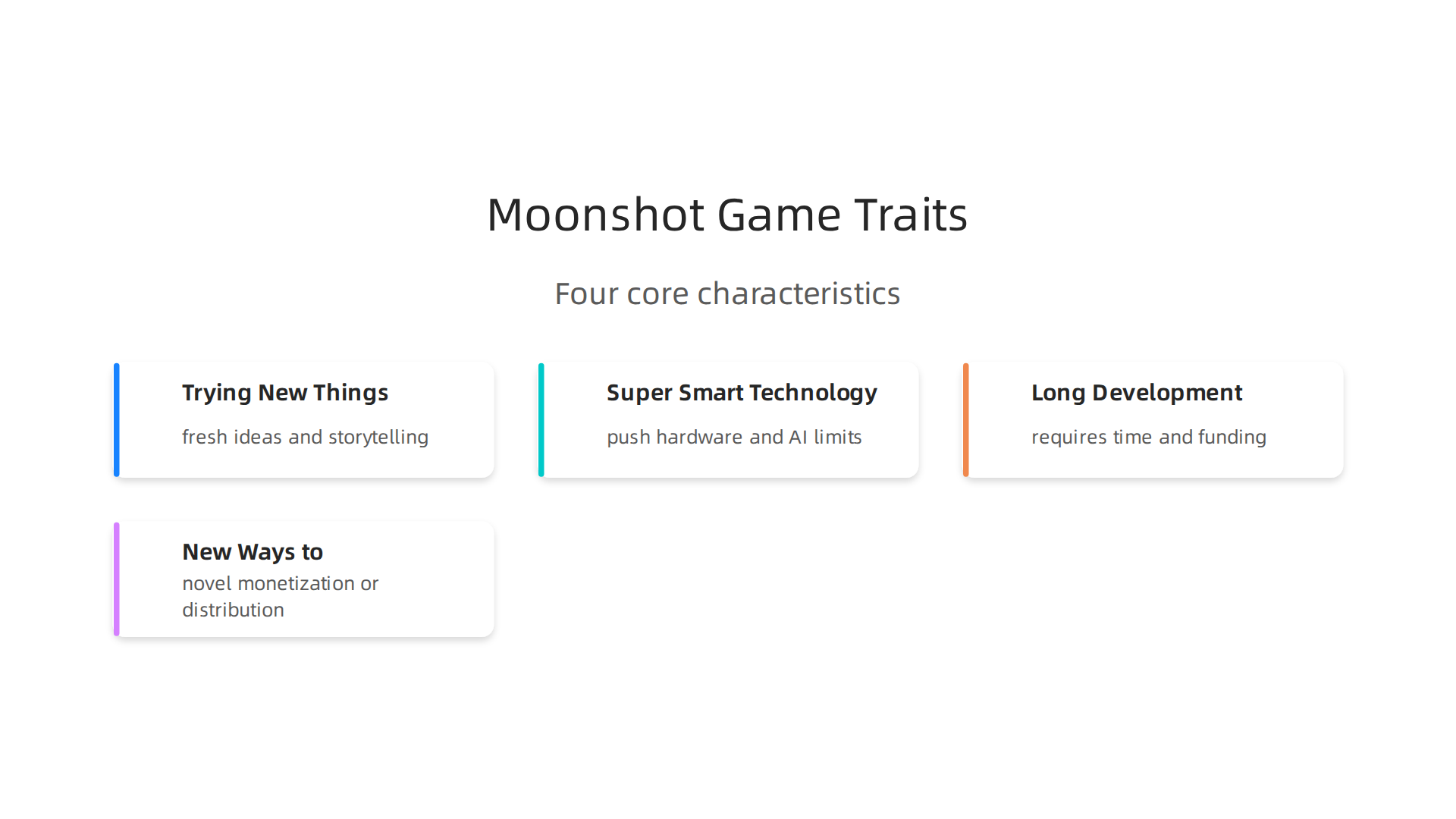
- Trying New Things (Experimental Scope): These games are all about fresh ideas. They don’t just add a new level to an old game. Instead, they try out completely different ways to tell stories, create game worlds, or make players interact. It’s like inventing a new kind of toy, not just a different color of an old one. This often involves thinking about how to get players involved in the game’s creation, using methods like those explored in ARGs and Community Games: Designing Curiosity at Scale.
- Using Super Smart Technology (Technical Ambition): Moonshot games often push what computers and game consoles can do. They might use advanced Artificial Intelligence (AI) to make game characters smarter, create incredibly real-looking graphics, or use new ways for players to feel like they are truly inside the game world. This could involve exploring new ways for AI to help with game building, such as in OpenGame: Open Agentic Coding for Games.
- Taking a Long Time to Make (Long Development Cycles): Because these games are so new and complex, they take a lot of time and money to build. It’s common for moonshot games to be in development for many years, with big teams working hard to solve problems that no one has solved before.
- New Ways to Play and Sell (Novel Monetization or Distribution): Sometimes, moonshot games also try new ways to get the game to players or how players pay for it. This can mean letting players try early versions of the game and give feedback, known as "Early Access." This helps game makers improve their games with player ideas, which can be seen in studies about incorporating player feedback to game development during Early Access. These new methods aim to build a strong community around the game even before it is finished.
How Moonshot Games Are Different
It’s helpful to understand how moonshot games stand apart from other types of games you might know:
- Not Just Indie Experiments: Indie games are often made by smaller teams and can be very creative and experimental. However, moonshot games usually involve much bigger budgets and teams, often backed by large companies or significant investors, sometimes even "big tech" giants. They aim for a much wider impact than most indie titles.
- More Than Traditional Big Games (AAA): "AAA" games are also big-budget and popular, like many good games to play in 2026 across PC console and mobile. But these games often stick to what they know works. They build on successful formulas. Moonshot games, on the other hand, are designed to try something so bold it might fail, but if it works, it changes everything. They are less about making a safe bet and more about taking a huge leap into the unknown, pushing boundaries much like a crazy new "technology meme" might capture everyone’s attention.
In short, moonshot games are the pioneers of the gaming world. They are the ones reaching for the stars, often creating new pathways for the entire industry to follow.
Moonshot games are truly special, but who actually makes and pays for these big, bold projects? It takes a lot of support to reach for the stars in gaming. Let’s look at the different groups that help bring these amazing ideas to life.
The Big Players in Moonshot Games
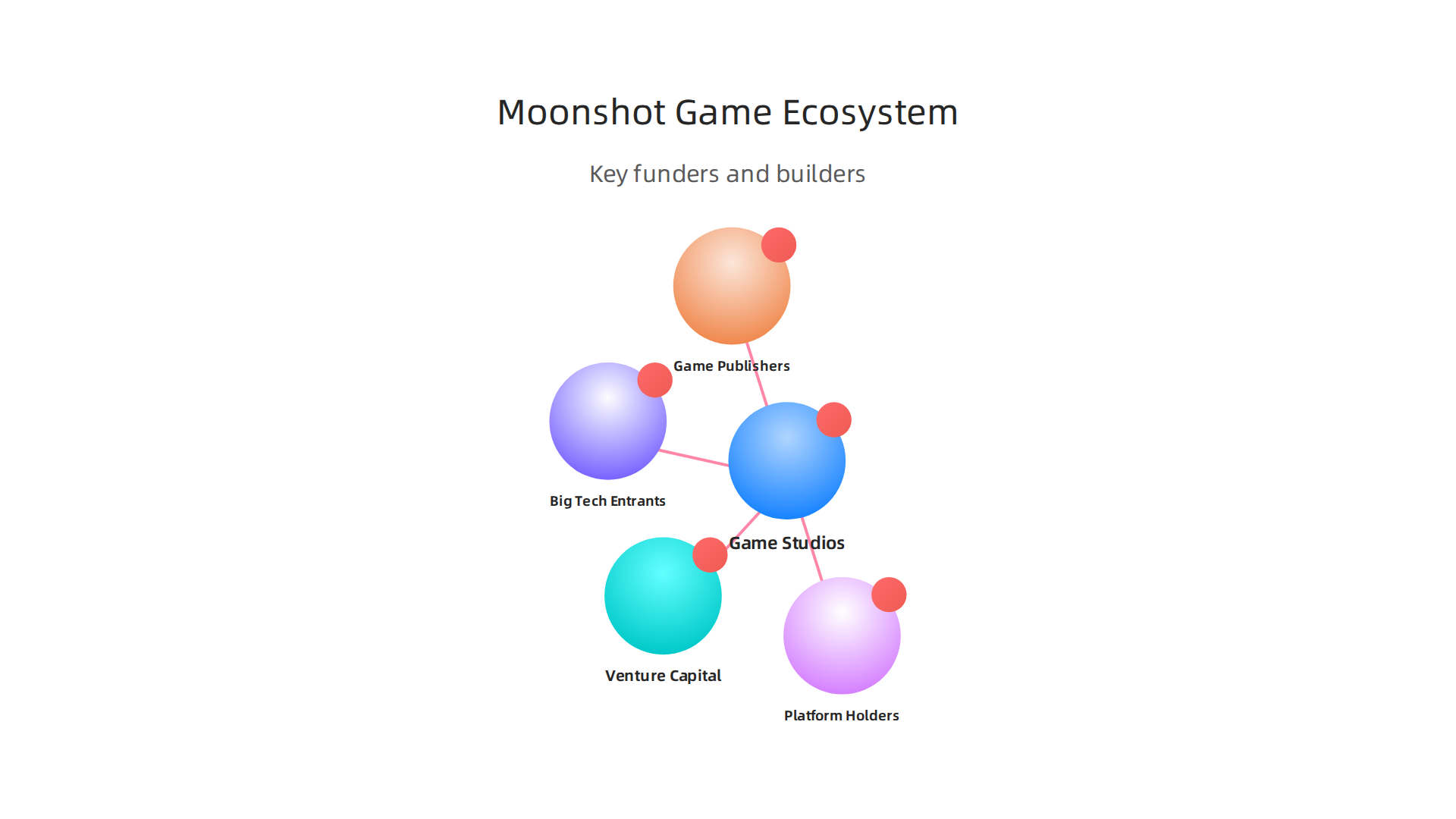
It’s not just one person or a small group behind most moonshot games. Instead, a whole ecosystem works together:

- Game Studios: These are the creative teams that design and build the games. For moonshot projects, these studios often need a lot of resources. They might be independent, or they could be part of larger game companies.
- Venture Capital and Investors: These are groups or people who put money into new ideas, hoping they will grow into something huge. They are very important for moonshot games because these games often need a lot of money and take a long time to make, with no guarantee of success.
- Game Publishers: Publishers help studios get their games out to players. They also often provide funding, marketing, and support. Some big publishers are always looking for the next big thing, especially if it involves new technology.
- Platform Holders: These are companies like Sony (PlayStation), Microsoft (Xbox), Nintendo, or even big phone companies like Apple and Google. They own the devices and stores where games are played. They might fund moonshot projects to show off what their platforms can do. For example, Google launched an Indie Games Fund in Africa in 2026 to help smaller studios grow and reach more players.
- "Big Tech" Entrants: Sometimes, huge technology companies that aren’t just about games step in. They might see gaming as a new area to innovate or a chance to spread a new "technology meme" or idea across the world. They bring lots of money and advanced tech know-how to the table. Some of these companies are also deeply invested in AI, just like the topics covered in articles on Elon Musk AI 2026 how xai tesla and neuralink converge.
Where Do Moonshot Games Get Their Money?
Funding for moonshot games can come from many places. Besides venture capitalists and big publishers, governments and special programs also help.
- Government Funds and Grants: Some countries want to help their game industries grow. For instance, the UK Games Fund gives money to developers for new game prototypes and content. As of 2026, there was even a £30 million funding boost to support new game developers in the UK. Europe also has calls for proposals to support video games and immersive content development to help producers and studios.
- Incubators and Accelerators: These programs help new game studios grow faster. They offer money, advice, and connections. For example, in 2026, the GDAI launched an incubator to help Indian gaming studios get bigger and reach players all over the world. Krafton India also funds emerging studios with milestone-based funding, like with their KIGI program which supported four new studios in 2026, giving them between $50,000 and $150,000 in funding and mentorship to reach global audiences, as noted by Krafton India. In South Korea, Nexon also launched a large investment drive for K-Games in 2026 to support new game ideas.
- Platform-as-a-Service (PaaS) Providers: These are companies that offer tools and services for game development. They might invest in games that showcase their technology, making it easier for studios to build complex projects.
Where These Projects Tend to Emerge
You’ll find centers for moonshot games in places with lots of money, tech talent, and a history of gaming innovation.
- North America and Europe: Places like California’s Silicon Valley, Canada, and various European countries have strong tech scenes and government support. Canada’s Media Fund, for example, has an Innovation and Experimentation Program that offers significant funding for projects with big budgets.
- Asia: Countries like South Korea, Japan, and India are also becoming big hubs for game innovation, with strong growth and investment in new studios and technologies.
- Emerging Markets: With programs like Google Play’s Indie Games Fund in Africa, new regions are starting to get the support needed to create their own unique moonshot games.
Understanding this landscape helps us see that moonshot games are not just built by creative people. They are also fueled by a complex network of funding, big ideas, and powerful industry players all working towards the next big leap in gaming.
Curious about how AI is changing the tech world every day?
The AI Newsletter Worth Reading delivers clear daily AI updates right to your inbox.Moonshot games are truly special, but who actually makes and pays for these big, bold projects? It takes a lot of support to reach for the stars in gaming. Let’s look at the different groups that help bring these amazing ideas to life.
The Big Players in Moonshot Games
It’s not just one person or a small group behind most moonshot games. Instead, a whole ecosystem works together:
- Game Studios: These are the creative teams that design and build the games. For moonshot projects, these studios often need a lot of resources. They might be independent, or they could be part of larger game companies.
- Venture Capital and Investors: These are groups or people who put money into new ideas, hoping they will grow into something huge. They are very important for moonshot games because these games often need a lot of money and take a long time to make, with no guarantee of success.
- Game Publishers: Publishers help studios get their games out to players. They also often provide funding, marketing, and support. Some big publishers are always looking for the next big thing, especially if it involves new technology.
- Platform Holders: These are companies like Sony (PlayStation), Microsoft (Xbox), Nintendo, or even big phone companies like Apple and Google. They own the devices and stores where games are played. They might fund moonshot projects to show off what their platforms can do. For example, Google launched an Indie Games Fund in Africa in 2026 to help smaller studios grow and reach more players.
- "Big Tech" Entrants: Sometimes, huge technology companies that aren’t just about games step in. They might see gaming as a new area to innovate or a chance to spread a new "technology meme" or idea across the world. They bring lots of money and advanced tech know-how to the table. Some of these companies are also deeply invested in AI, just like the topics covered in articles on Elon Musk AI 2026 how xai tesla and neuralink converge.
Where Do Moonshot Games Get Their Money?
Funding for moonshot games can come from many places. Besides venture capitalists and big publishers, governments and special programs also help.
- Government Funds and Grants: Some countries want to help their game industries grow. For instance, the UK Games Fund gives money to developers for new game prototypes and content. As of 2026, there was even a £30 million funding boost to support new game developers in the UK. Europe also has calls for proposals to support video games and immersive content development to help producers and studios.
- Incubators and Accelerators: These programs help new game studios grow faster. They offer money, advice, and connections. For example, in 2026, the GDAI launched an incubator to help Indian gaming studios get bigger and reach players all over the world. Krafton India also funds emerging studios with milestone-based funding, like with their KIGI program which supported four new studios in 2026, giving them between $50,000 and $150,000 in funding and mentorship to reach global audiences, as noted by Krafton India. In South Korea, Nexon also launched a large investment drive for K-Games in 2026 to support new game ideas.
- Platform-as-a-Service (PaaS) Providers: These are companies that offer tools and services for game development. They might invest in games that showcase their technology, making it easier for studios to build complex projects.
Where These Projects Tend to Emerge
You’ll find centers for moonshot games in places with lots of money, tech talent, and a history of gaming innovation.
- North America and Europe: Places like California’s Silicon Valley, Canada, and various European countries have strong tech scenes and government support. Canada’s Media Fund, for example, has an Innovation and Experimentation Program that offers significant funding for projects with big budgets.
- Asia: Countries like South Korea, Japan, and India are also becoming big hubs for game innovation, with strong growth and investment in new studios and technologies.
- Emerging Markets: With programs like Google Play’s Indie Games Fund in Africa, new regions are starting to get the support needed to create their own unique moonshot games.
Understanding this landscape helps us see that moonshot games are not just built by creative people. They are also fueled by a complex network of funding, big ideas, and powerful industry players all working towards the next big leap in gaming.
Curious about how AI is changing the tech world every day?
The AI Newsletter Worth Reading delivers clear daily AI updates right to your inbox.
Understanding this landscape helps us see that moonshot games are not just built by creative people. They are also fueled by a complex network of funding, big ideas, and powerful industry players all working towards the next big leap in gaming. But what truly makes these ambitious ideas possible? It’s the cutting-edge technology that pushes the limits of what games can be.
Tech Trends Powering Moonshot Games: AI, Cloud, and XR
The biggest moonshot games would not be possible without some amazing new technologies. These tech trends are changing how games are made, played, and shared with everyone.
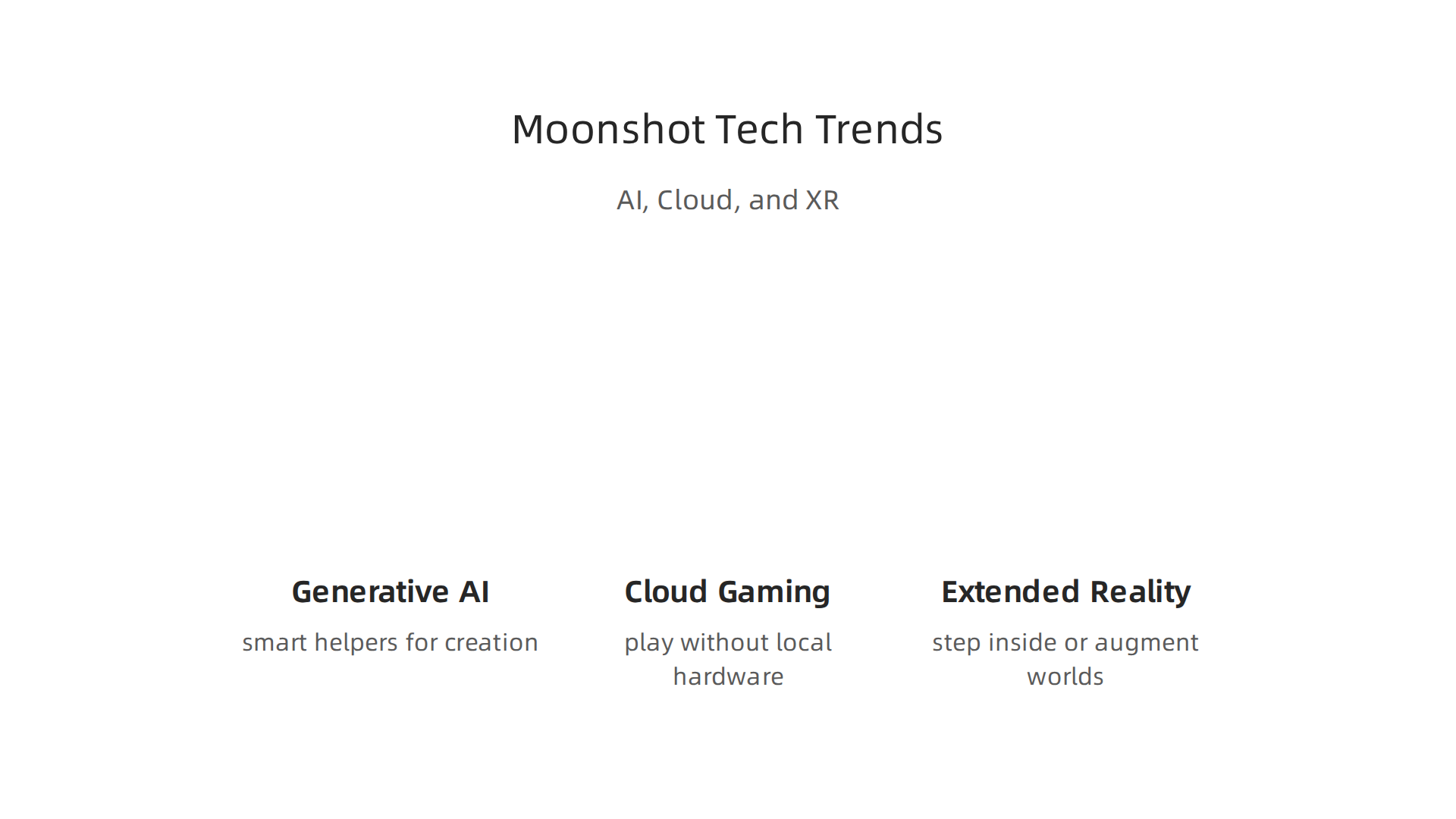
Let’s look at a few that are key to these huge projects in 2026.
Generative AI: Smart Helpers for Game Creation
One of the most exciting tools is generative AI. Think of it as a super-smart helper that can create new things. In gaming, generative AI can help make characters, write dialogue, or even design entire parts of a game world. It can also help with creating fresh stories and plots, making games feel more alive and different each time you play. Game studios are already using generative AI for things like making dialogue and crafting new stories in games, according to an Automated Survey of Generative Artificial Intelligence.
While it’s super helpful, using AI also means we need to be smart about it. Rules and frameworks like the Artificial Intelligence Risk Management Framework help make sure AI is used safely and fairly in big projects. This careful approach helps avoid problems and makes sure the technology works for everyone.
Cloud Gaming and Real-Time Streaming: Games Everywhere
Cloud computing is another huge trend. It means games don’t have to run only on your powerful home console or PC. Instead, they can run on big, strong computers in the cloud. You then play the game by streaming it over the internet to almost any device you own, like a phone, tablet, or smart TV. This makes moonshot games available to more people than ever before, no matter what device they have.
Real-time streaming is a big part of this. It’s how those big games get from the cloud to your screen smoothly and without much delay. This allows for massive online worlds and many players interacting at once, making truly epic gaming experiences possible. Experts are always working on improving the quality of these cloud gaming services, as shown in studies like Measuring and estimating Key Quality Indicators in Cloud Gaming services.
Extended Reality (XR): Stepping into the Game
Extended Reality, or XR, brings together virtual reality (VR), augmented reality (AR), and mixed reality (MR). These technologies let you step inside games or bring game elements into your real world. For moonshot games, XR means creating incredibly deep and immersive experiences. Imagine feeling like you are truly walking on another planet, or having game characters appear in your living room. This changes how players interact with games, making them feel more real and personal. Exploring these new kinds of games can truly unlock hidden worlds and discover untapped games in 2026.
Together, generative AI, cloud gaming, and XR are like rocket fuel for moonshot games. They allow game makers to dream bigger, build more complex worlds, and offer players experiences that were once only science fiction. These technologies keep evolving, promising even more amazing moonshot games in the years to come.
The amazing technology we just talked about is key, but even with all that power, moonshot games still need smart ways to make money and reach many players. Big ideas need big plans to pay for them and grow. In 2026, game studios are using several clever business models to bring these huge projects to life.
Hybrid Funding: Many Ways to Get Money
Making a moonshot game costs a lot of money. It’s too much for just one company sometimes. So, game creators often use different ways to get money. This is called hybrid funding. They might get money from venture capitalists, who are people or companies that invest in new and risky ideas. They also look for special grants from governments or groups that support game development. For example, the UK Games Fund offers grants to developers for making game prototypes and content, which can be a big help for smaller studios with grand ideas. Another example is the GDAI’s Supernova incubator, which helps Indian gaming studios get funding and grow in global markets, showing how important incubators are for scaling businesses. Other similar efforts include a multi-million dollar funding boost in the UK to support new game developers.
Sometimes, big tech companies or gaming platforms will invest directly in these games. They know that a great new game can bring more people to their platform. This mix of private money and public support helps make sure these ambitious games get enough fuel to take off.
Episodic Releases and Platform Partnerships
Another way moonshot games plan to make money and keep players interested is through episodic releases. This means the game is released in parts, like a TV show. Players buy one part, play it, and then buy the next part later. This helps studios get money over time and allows them to adjust the game based on player feedback as they go.
Working closely with big platforms is also super important. Imagine a game made just for a specific console or cloud gaming service. These partnerships can mean better promotion and support, helping the game reach a wider audience faster. For instance, Google Play has an Indie Games Fund in Africa that helps local studios grow and reach players all over the world. These kinds of partnerships are vital for studios to scale their games and become known globally.
Emerging Models and Scalability Risks
New ways to get players involved and own parts of a game are also appearing. These emerging models might include things like players buying special items that have real-world value or being able to help decide what happens in the game’s future. These ideas are still quite new but could change how games are funded and enjoyed. For more on how games make money, you can check out details on endless runner games enduring appeal monetization AI and player growth strategies 2026.
However, making these huge moonshot games available to everyone comes with risks. Studios need to make sure their games can handle many players at once and work well on different devices. This is called scalability. To manage this, they often use staged rollouts, where they release the game to a smaller group of players first, or do platform pilots to test things out. This kind of careful planning, which often involves pre-release experiments, helps fix problems before the game goes live for everyone.
Want to keep up with the latest in how AI is changing the world, including games?
The AI Newsletter Worth Reading delivers clear daily AI updates directly to your inbox. Staying informed about what is information technology your 2026 guide to modern digital life is more important than ever in 2026.
While clever business models help moonshot games get started and grow, the real magic happens when players jump in. How people play, how they talk about the game, and whether they stick around are super important.

In 2026, understanding player behavior is key to making these big, ambitious games last.
How Communities Form Around Big Games
Moonshot games often start with a lot of buzz. Players are excited to see what new things they can do. Because these games are so unique, people tend to gather in online groups to share ideas and help each other. It’s like a new town forming around a cool new idea.
A big part of this is something called "early access." This means players can buy and play a game even before it’s fully finished. This lets them give ideas and feedback to the game makers, which can actually change how the game turns out. Studies have shown that early access helps developers get feedback and make better games. For example, a case study showed how playtesting before a game’s full release can help a community-focused approach to making games Case Studies – DarekNotDerek. This way, players feel like they’re part of making something special, building a strong community from the very beginning. It’s like a big group project where everyone has a say.
Besides early access, things like "modding" and "creator economies" also help communities grow. Modding is when players make their own changes or additions to a game, making it even more fun for others. Creator economies mean players can make new things inside the game and even earn money from them. This gives players a real reason to stay involved and keep the game world fresh. Good community games often create curiosity and shared goals that bring people together, making players need each other to solve puzzles and achieve missions ARGs and Community Games: Designing Curiosity at Scale.
Keeping Players Interested: Big Promises and Learning Curves
Even with amazing technology, keeping players interested in moonshot games can be tricky. These games often make big promises, and players have high hopes. If the game doesn’t meet those super high expectations, players might leave. So, game makers need to be honest about what their game can do.
Another challenge is making sure new players can easily learn how to play these complex games. This is called "onboarding." Imagine a huge game with lots of new rules and buttons. It can be confusing! Game studios must find smart ways to teach players without making them feel lost or overwhelmed. They use tutorials, guides, and gentle introductions to new features. This helps make sure that everyone, not just expert gamers, can enjoy the game. Understanding these player behaviors is a big part of game growth, just like how understanding monetization and AI is crucial for other types of games endless runner games enduring appeal monetization AI and player growth strategies 2026.
Staying informed about how all parts of technology work together, including the world of big games and player engagement, is more important than ever in 2026.
Want to keep up with the latest in how AI is changing the world, including games? The AI Newsletter Worth Reading delivers clear daily AI updates directly to your inbox.
Even with all the exciting new ways players can get involved, the big world of moonshot games also comes with new challenges. As these games become more complex and use advanced technology like AI, thinking about player privacy, safety, and how content is managed becomes super important. In 2026, game makers and big tech companies must deal with these issues carefully.
Privacy Problems in Big Games
When games get really big and collect lots of information about how people play, privacy can become a worry. Many moonshot games now use smart AI to make experiences unique for each player. But this means they might gather a lot of personal data, like how you talk in the game or what choices you make. Game companies need to be very clear about what data they collect and why. They must tell players how their information is used and keep it safe D2.8 – Legal analysis IT with policy recommendations. This is a big part of dealing with privacy and data security in 2026.
Using player data to train AI, especially for things like making game characters talk, needs special rules. For example, if a game uses your chat history to teach its AI, it should ask for your permission separately Content Moderation for AI in Games.
Keeping Players Safe and Moderating Content
Another major challenge is keeping players safe from bad experiences. In large online games, players might see things that are not nice or meet people who cause trouble. This is where content moderation comes in. Game studios have to set up ways to check what players are saying and doing, and make sure everyone follows the rules. This includes taking down harmful content or stopping bad behavior.
It’s not just about player chat. With AI now able to create game parts or dialogue on the fly, game makers also need to control what the AI generates. If an AI accidentally creates something offensive or harmful, it can cause big problems. Trust and safety teams are becoming more important than ever, and their work should be thought about from the very start of a game’s creation Content Moderation….
How Game Studios Can Handle Risks
To deal with these big risks, game studios and platforms need clear plans. This is often called "governance." It means setting up rules and ways to check that everyone is playing fair and safe.
Here are some things they can do:
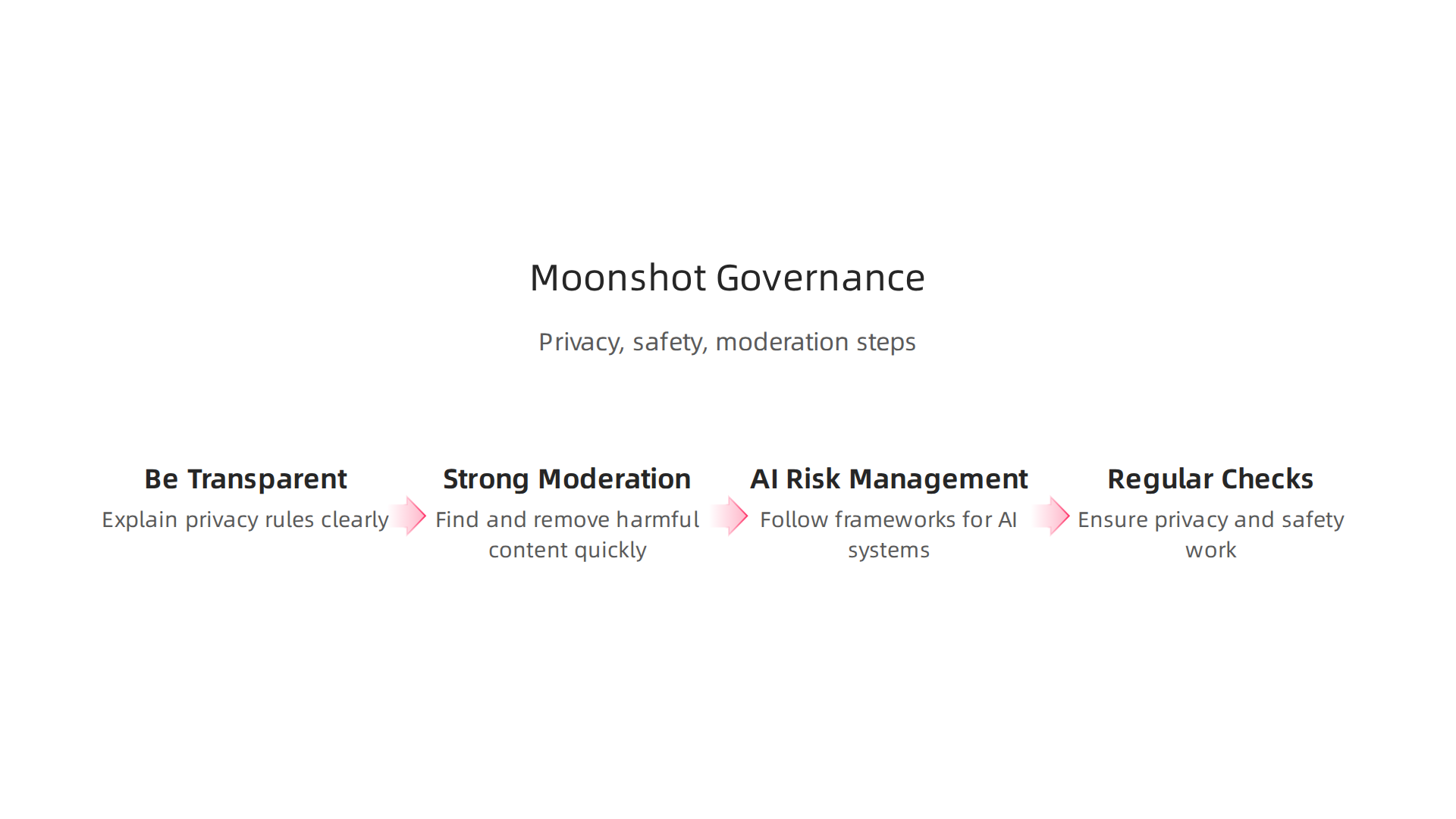
- Be Transparent: Companies should explain their privacy rules in easy-to-understand ways. Players should know what’s happening with their data.
- Strong Moderation: They need good systems to find and remove harmful content quickly. This includes using human moderators and smart AI tools together. Laws like the DSA, OSA, and COPPA are shaping how companies handle player safety in 2026, requiring them to know their users and moderate content with care Player Safety Regulation 2026: DSA, OSA and COPPA.
- AI Risk Management: For games that use a lot of AI, studios should follow frameworks like the one from NIST, which helps manage risks from AI systems Artificial Intelligence Risk Management Framework (AI RMF 1.0). This helps align AI use with laws about privacy and intellectual property.
- Regular Checks: Just like any big project, these games need regular checks to make sure privacy and safety measures are working well. This might include audits or "red-teaming" to test for weak spots.
By taking these steps, game creators can make sure their moonshot games are not only exciting but also safe and fair for everyone. This way, the focus can stay on fun and new experiences, rather than worrying about privacy scares or harmful content. Understanding how technology impacts these areas is vital. If you want to dive deeper into how AI is shaping industries and society, including how big tech handles these challenges, you might be interested in exploring more about the world of artificial intelligence and its broader implications, especially concerning figures like Elon Musk meme and other leaders in the field, as we define technology and its true meaning.
Summary
Moonshot games are ambitious, high‑risk game projects that try entirely new ways of building or playing games, and this article explains why they matter in 2026 for players, creators and the wider industry. It defines the core traits of moonshot games—experimental scope, technical ambition, long development cycles and novel monetization—and shows who funds them, from VCs and publishers to government grants and incubators. The piece outlines the tech trends that enable these projects (generative AI, cloud streaming and XR), practical business models like hybrid funding and episodic releases, and how communities and Early Access shape development. It also covers where moonshot studios tend to appear globally and the governance steps studios must take to manage privacy, moderation and AI risks. After reading, you’ll understand the landscape, the technology and funding options, and the safety and scaling considerations needed to spot, support or build a moonshot game.